





























Your business runs on systems: ERP, CRM, HR, inventory, customer
support, supplier management. But these systems don't talk to
each other. Your team wastes hours every day jumping between
screens, searching for information, doing manual work.
We fix that with AI-powered business systems that connect
everything. Ask a question in plain language. Get instant answers.
Automate repetitive tasks. Scale without hiring more people.
This is how modern businesses work. And it's built specifically
for your operations - not a generic template.
The transformation of Saudi Arabia's business landscape through Vision 2030 initiatives has accelerated workplace digitization across government entities, established corporations, and emerging enterprises. Organizations hiring internationally diverse talent, managing hybrid work arrangements, and scaling operations rapidly require technology infrastructure that maintains cohesion despite physical dispersion.
Modern employee hubs transcend basic intranet functionality by incorporating artificial intelligence that learns from behavior patterns, anticipates information needs, and personalizes experiences for thousands of employees simultaneously. The system understands roles, adapts to usage patterns, and surfaces relevant content proactively.

Saudi Arabia's workforce combines Arabic-speaking nationals with international talent bringing diverse linguistic capabilities. A bilingual ai intranet KSA must deliver excellence in both Arabic and English rather than treating one language as a translation of the other.
Arabic language implementation demands attention to unique characteristics including right-to-left text flow, contextual letter forms that change based on position within words, and diacritical marks affecting pronunciation and meaning. Typography choices must support Arabic's flowing calligraphic nature while maintaining readability on screens.
Content management for bilingual platforms requires careful governance ensuring translation accuracy, cultural appropriateness, and semantic consistency across languages. Code-switching accommodation recognizes that many Saudi professionals naturally alternate between Arabic and English within conversations.
GO-Globe designs intelligent employee portal Riyadh solutions that function as living digital workplaces rather than static information repositories. Our methodology begins with comprehensive understanding of your organizational culture, employee demographics, workflow patterns, and strategic objectives.
User experience research involves actual employees from diverse roles, departments, seniority levels, and technical comfort zones. Information architecture organizes content around how employees think about their work rather than mirroring organizational charts or departmental structures.
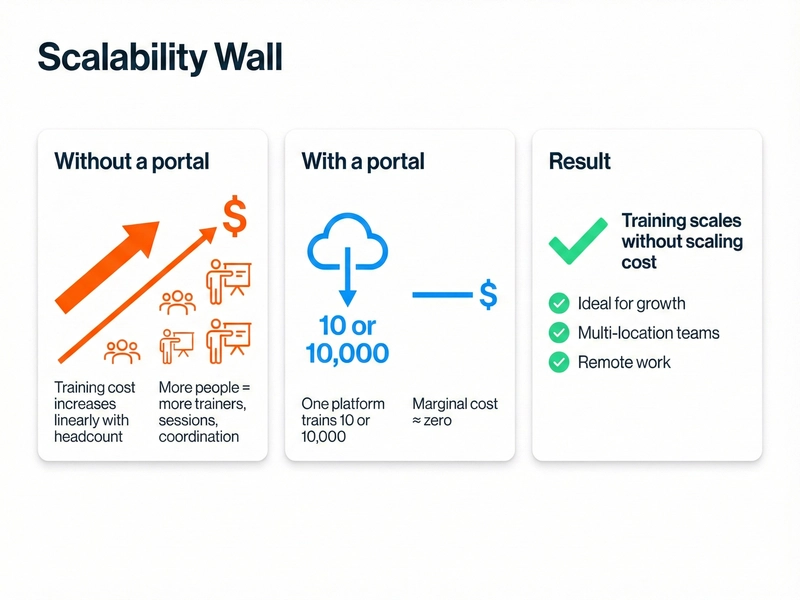

An arabic ai knowledge base Saudi captures, organizes, and distributes organizational knowledge in the language most Saudi employees use for daily work. Rather than relying on individual experts repeatedly answering the same questions, the system documents answers once and makes them discoverable when others have similar needs.
Natural language processing understands Arabic questions phrased conversationally rather than requiring keyword searches or structured queries. The system recognizes that different Arabic words might all refer to the same concept in different contexts.
Collaboration features transform a smart employee hub Riyadh from an information repository into an active workspace where teams coordinate projects, share insights, and build relationships that strengthen organizational culture.
Project workspaces provide centralized environments where teams access relevant documents, track tasks, coordinate schedules, and communicate without fragmenting information across email threads and chat messages.
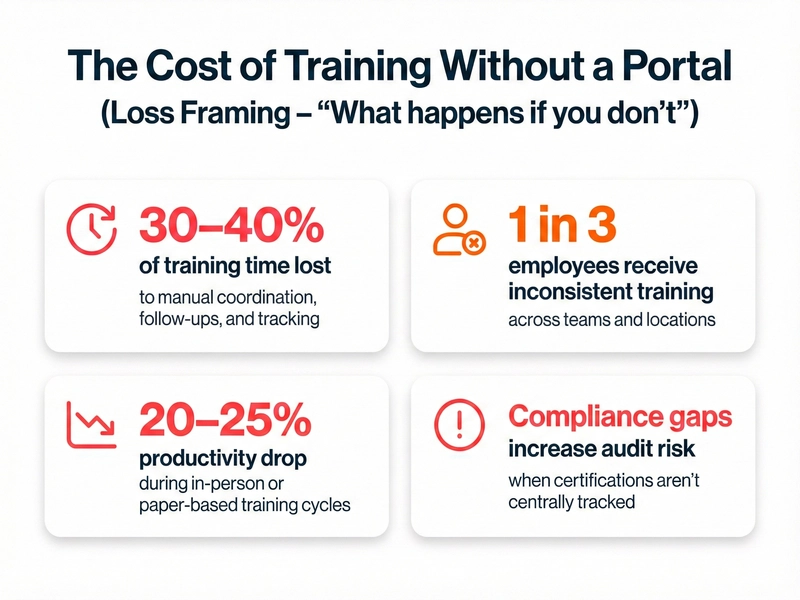
An ai internal portal KSA streamlines the administrative processes that consume employee time without directly contributing to core business objectives. Rather than submitting paper forms or sending email requests, employees complete workflows digitally with intelligent routing and automated approvals.
Human resources processes including leave requests, schedule changes, benefit enrollment, and personal information updates move from paper-based procedures to standardized digital workflows.
Performance management workflows guide employees and managers through goal setting, continuous feedback, formal reviews, and development planning.
Government entities across Saudi Arabia face unique requirements when implementing employee hubs including enhanced security standards, comprehensive audit capabilities, and integration with national identity systems. A government employee hub Saudi must satisfy these specialized needs while delivering modern user experiences.
Security requirements for government systems typically exceed commercial standards because of sensitive information handled and national security implications.
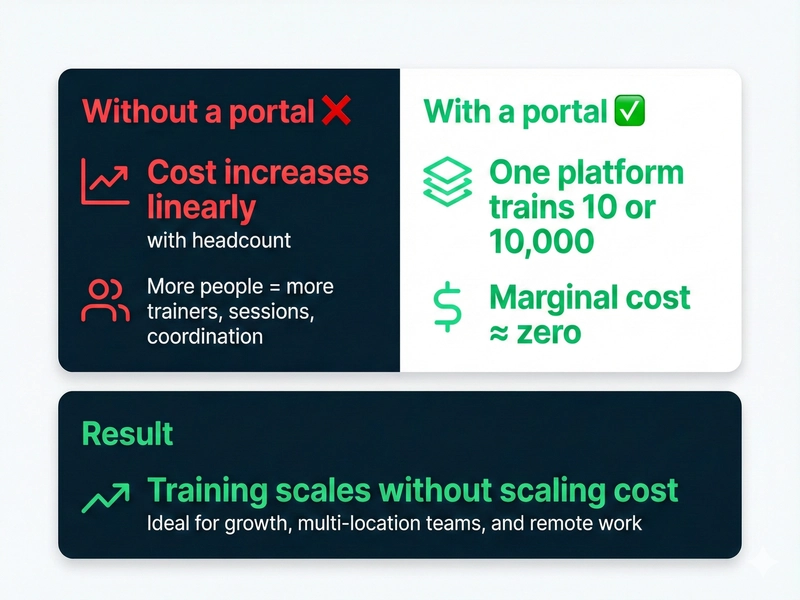

Saudi Arabia's high mobile device adoption requires employee hubs to deliver excellent smartphone and tablet experiences. Many employees, particularly younger professionals and field workers, primarily access digital tools through mobile devices.
Progressive web applications combine website accessibility with native app capabilities. Touch-optimized interfaces accommodate finger taps with appropriately sized buttons and links.
Offline functionality allows employees to access critical information and complete certain tasks even when internet connectivity is unavailable. Performance optimization for mobile networks ensures portals function well even on slower connections.
Successful employee hub deployment requires methodical planning that balances technological capabilities with organizational change management. Begin with stakeholder consultation involving representatives from different departments, roles, seniority levels, and locations.
Content migration from existing systems demands careful curation rather than wholesale transfer of everything. Pilot program selection identifies a representative group testing initial hub configuration before organization-wide deployment.
Riyadh organizations pursuing Vision 2030 alignment and operational excellence require digital infrastructure that unites workforces, preserves knowledge, and delivers personalized experiences matching contemporary workplace expectations. An AI employee hub Riyadh creates the foundation where Saudi teams collaborate effectively and access information efficiently.
Whether you need a bilingual ai intranet KSA serving Arabic and English-speaking employees, an arabic ai knowledge base Saudi capturing institutional expertise, or a comprehensive smart employee hub Riyadh transforming organizational communication, modern platforms deliver capabilities that support Saudi Arabia's ambitious workforce development objectives.
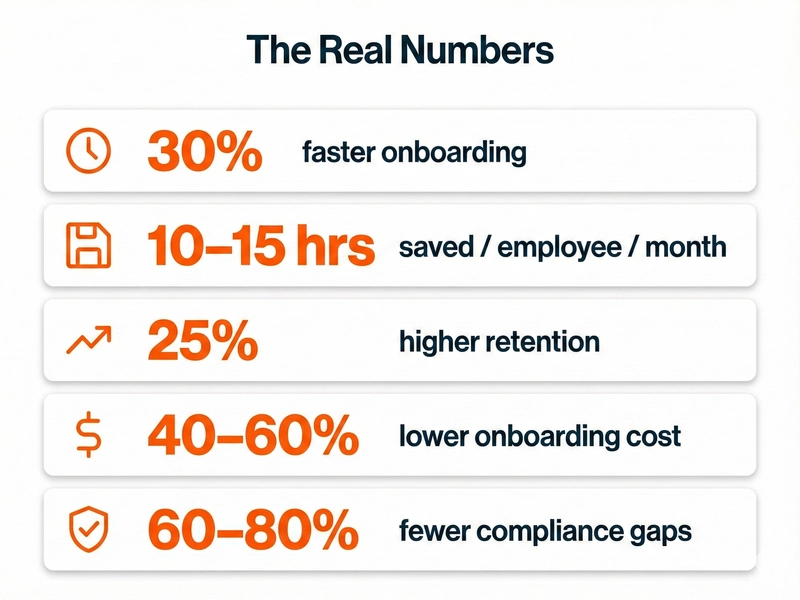
An AI employee hub centralizes resources, collaboration tools, and workflows into one intelligent digital workspace.
It enables workforce digitization, productivity, knowledge sharing, and modern workplace experiences aligned with Vision 2030.
Yes, bilingual AI intranets in KSA deliver full Arabic and English experiences with cultural sensitivity.
AI hubs offer personalization, smart search, automation, and proactive content delivery instead of static pages.
Yes, it integrates with HR, document management, project tools, and internal communication platforms.
Yes, compliant platforms meet Saudi security standards, access controls, and audit requirements.