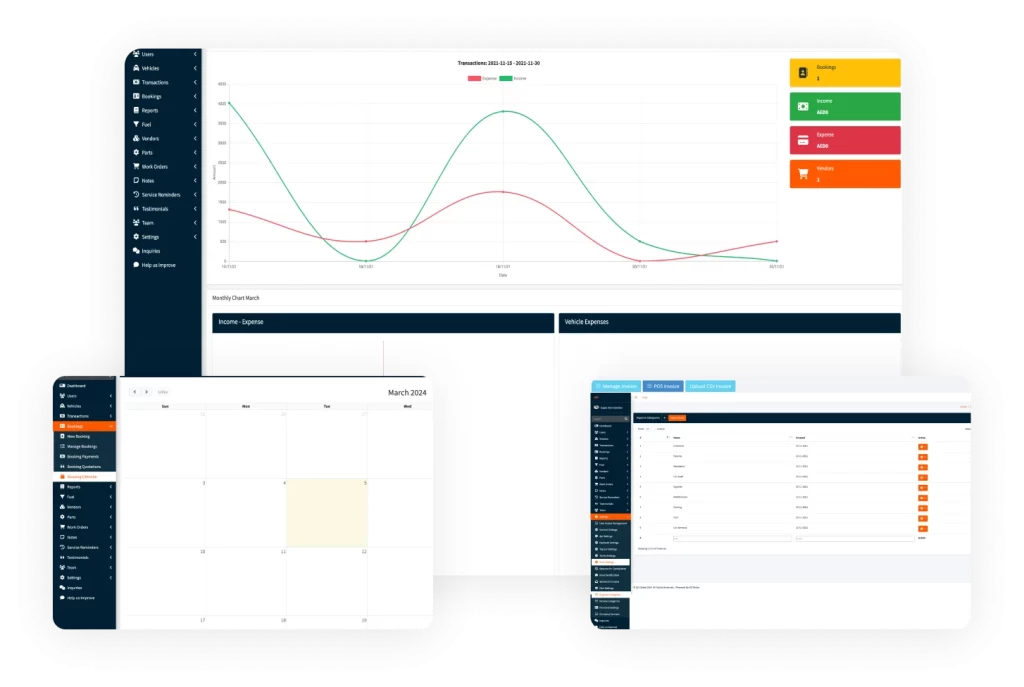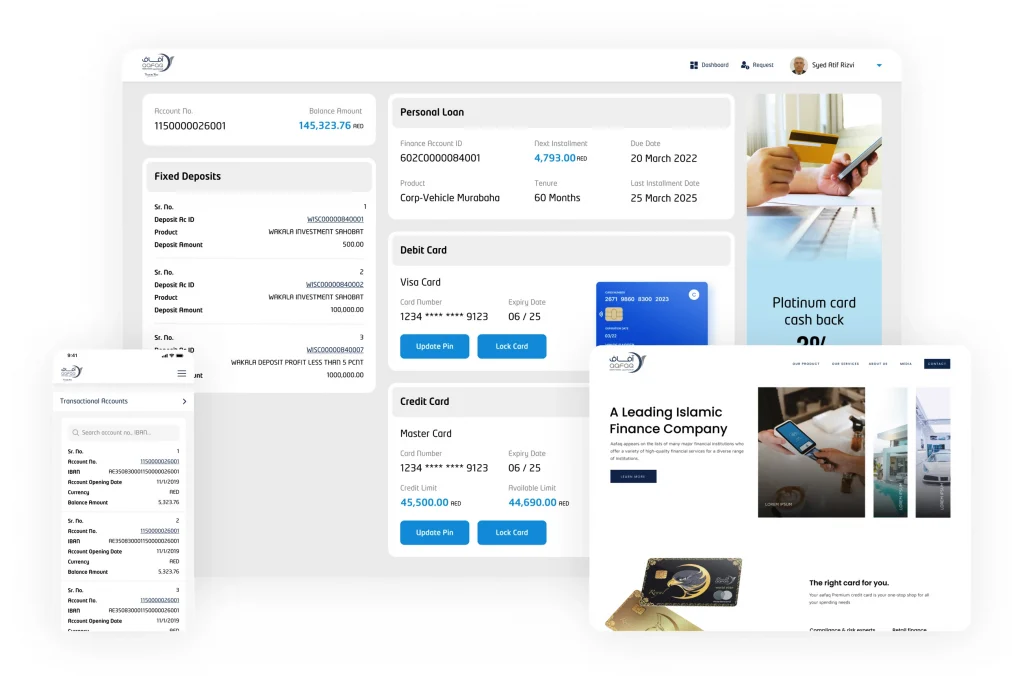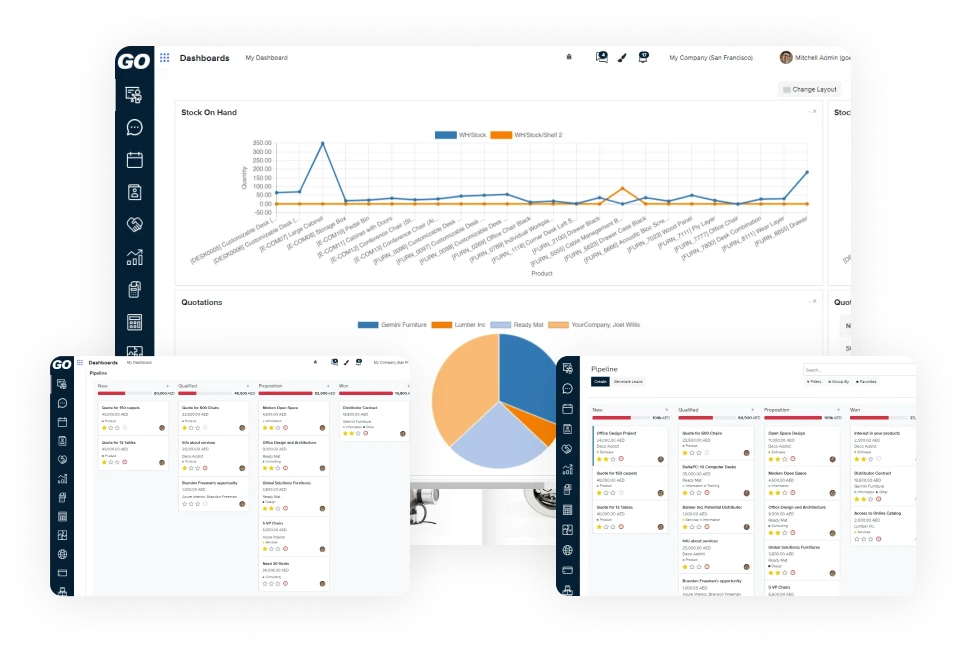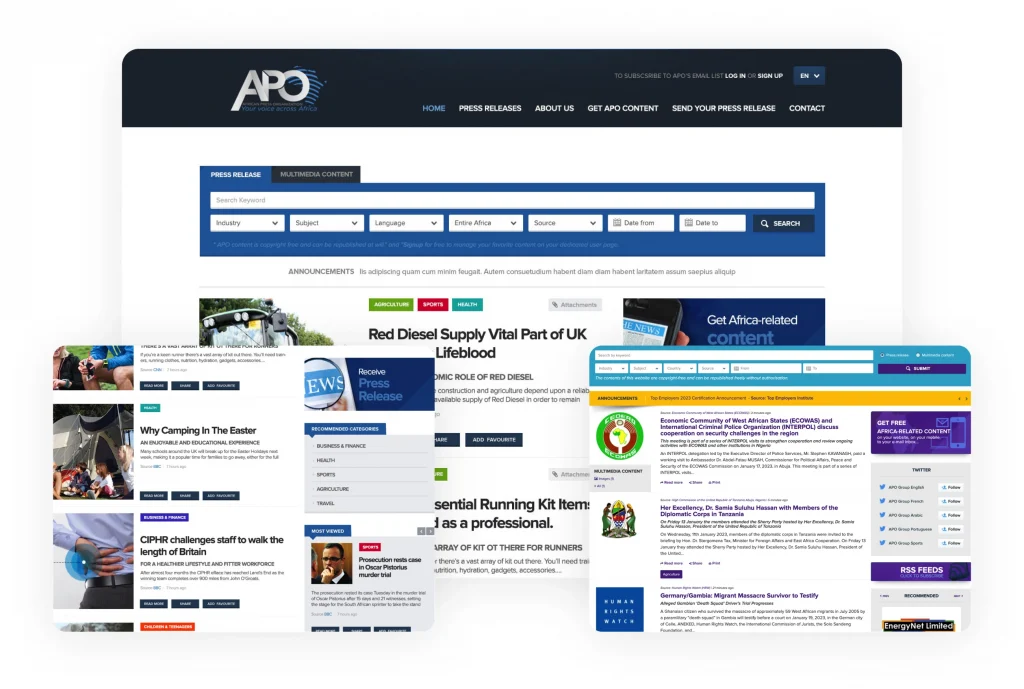










































The imperative for portal consolidation intensifies as Saudi businesses expand operations, serve diverse stakeholders, and comply with evolving regulatory requirements. Traditional approaches of adopting individual software for each function create data silos that prevent comprehensive visibility into organizational performance.
Intelligence distinguishes contemporary portals from basic intranet sites or application launchers. These systems use artificial intelligence to personalize experiences, predict information needs, and automate routine interactions. The platform understands user roles, anticipates requirements based on behavior patterns, and presents relevant information proactively.


Saudi Arabia's Vision 2030 framework explicitly prioritizes digital government infrastructure that improves citizen services, increases transparency, and reduces administrative burdens on businesses. The vision 2030 digital portal KSA initiatives establish standards for how government entities and private organizations should implement technology platforms supporting economic diversification and modernization goals.
The National Digital Transformation Program establishes benchmarks for portal capabilities including mobile accessibility, Arabic language support, integration with national identity systems, and security standards protecting sensitive information. Organizations implementing portals meeting these specifications position themselves favorably for government partnerships and regulatory approvals.
Government entities across Riyadh are deploying intelligent government portal Riyadh platforms that transform how citizens and businesses interact with public services. These implementations demonstrate how technology enhances government effectiveness while reducing friction in critical processes.
Unified citizen portals consolidate access to multiple government services through single authentication. Rather than maintaining separate accounts for different ministries or agencies, users verify their identity once through national ID systems, then access relevant services without repeated registration.
Multilingual support ensures government portals serve Saudi Arabia's diverse population and international business community. Integration with national databases enables real-time verification of information submitted through government portals.


The ai e-government Saudi transformation extends beyond simple digitization of paper forms into intelligent systems that guide users through complex processes, predict requirements, and proactively address potential issues.
Intelligent form filling assists users by pre-populating information available in government databases, suggesting relevant options based on previous selections, and validating data in real-time to prevent submission of incomplete or incorrect applications.
Predictive services anticipate citizen and business needs based on life events or business milestones. Chatbot interfaces provide instant responses to common inquiries in natural Arabic and English conversations.
Performance dashboards provide transparency about government service quality, showing processing times, approval rates, and satisfaction scores for different services and agencies.
GO-Globe designs smart government portal KSA solutions that serve both public sector entities modernizing service delivery and private organizations seeking to implement similar capabilities for their stakeholders. Our methodology begins with comprehensive process mapping, understanding current workflows, and identifying pain points.
Arabic-first design recognizes that while bilingual capability is important, Arabic language excellence cannot be an afterthought added to English-primary systems. Our implementations ensure Arabic interfaces feel natural rather than translated.
Security architecture implements defense-in-depth approaches combining multiple protective layers. Integration capabilities connect portals with existing government and business systems including identity databases, payment gateways, and document management platforms.
A unified ai gateway Riyadh establishes the technical infrastructure connecting disparate business systems into coherent digital ecosystems. Gateway architecture establishes a central hub for authentication, data exchange, and business logic.
API management through the gateway provides visibility into how systems interact and data flows through your organization. Data transformation happens at the gateway layer, translating between different formats and standards used by various applications.

Commercial organizations across Saudi Arabia are implementing digital transformation portal Saudi platforms that serve customers, partners, suppliers, and employees through unified digital experiences.
Customer portals provide self-service access to account information, order tracking, support resources, and service requests. Supplier portals streamline procurement and vendor management by allowing suppliers to receive purchase orders electronically and provide shipping updates.
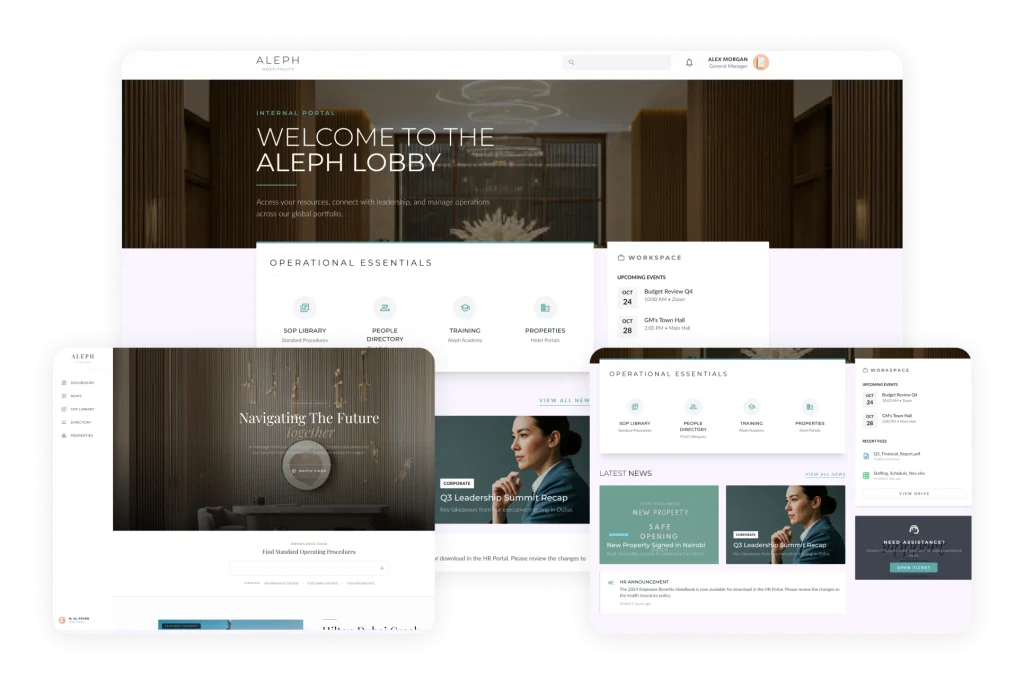
Partner collaboration spaces support joint ventures, distribution relationships, and strategic alliances. Employee portals serve as digital workplaces where staff access company resources, complete administrative tasks, and collaborate with colleagues.
Saudi Arabia has among the highest mobile device penetration rates globally. Portal implementations must deliver excellent mobile experiences rather than treating mobile as an afterthought to desktop design.
Responsive design techniques ensure interfaces adapt appropriately to different screen sizes without requiring separate mobile applications. Progressive web applications combine the accessibility of websites with capabilities previously available only through native mobile apps.
Portal security must address threats ranging from credential theft through phishing attacks to sophisticated attempts at unauthorized data access or system disruption. Defense-in-depth approaches implement multiple protective layers.
Authentication strength prevents unauthorized access through compromised credentials. Authorization controls ensure authenticated users only access information and functions appropriate to their roles and responsibilities.
Data protection through encryption safeguards information both during transmission and while stored in databases. Regulatory compliance with Saudi data protection laws requires comprehensive documentation of security measures and data handling practices.
Successful portal deployment requires strategic planning that balances ambitious vision with pragmatic execution. Begin with stakeholder consultation involving representatives from different departments, roles, and seniority levels.
Requirements prioritization focuses initial development on high-impact capabilities that deliver quick wins building momentum for more complex features. Integration planning identifies which business systems require portal connections and what data should flow between them.


Riyadh organizations pursuing Vision 2030 alignment and international competitiveness require digital infrastructure matching the sophistication of global competitors. An AI business portal Riyadh creates the unified access point where teams, customers, partners, and stakeholders engage with your organization.
Whether you're a government entity implementing an intelligent government portal Riyadh, a commercial organization deploying a unified ai gateway Riyadh, or an enterprise pursuing comprehensive digital transformation portal Saudi capabilities, proven technologies deliver results.
Schedule a consultation to explore your portal opportunities tailored to Saudi Arabia's unique environment. We'll assess your current digital infrastructure, identify integration opportunities, and design a portal strategy aligned with your business objectives, regulatory requirements, and Vision 2030 strategic priorities.



An AI business portal centralizes systems, data, and workflows into one intelligent platform for Saudi enterprises.
It enables digital transformation, transparency, system integration, and productivity aligned with Vision 2030 goals.
AI portals provide personalization, predictive insights, workflow automation, and real-time system integration.
Yes, modern portals integrate with national ID systems, payment gateways, and government platforms.
Yes, compliant portals follow Saudi data protection laws, security standards, and audit requirements.
Government entities, enterprises, customers, partners, and employees benefit from unified digital access.