






























Businesses across Saudi Arabia require Arabic AI chatbot Riyadh solutions that understand cultural nuances and regional dialects. Go-Globe specializes in developing bilingual AI chatbot KSA systems that communicate fluently in both Arabic and English. Our intelligent assistant KSA platforms deliver natural conversations that enhance customer engagement while reducing operational costs.
The demand for localized AI customer service Saudi solutions continues growing as digital transformation accelerates across the Kingdom. Our Arabic NLP chatbot Saudi technology processes colloquial expressions and formal Arabic with equal proficiency. These advanced systems handle customer inquiries 24/7, ensuring businesses never miss opportunities to engage with their audience.
Our bilingual AI chatbot KSA solutions seamlessly switch between Arabic and English based on customer language preferences. Advanced language detection algorithms identify the conversation language within the first message exchange. The system maintains context and conversation history regardless of which language customers choose to use.
Cultural adaptation extends beyond simple translation to include appropriate greetings, formalities, and communication styles. Our chatbots understand Saudi-specific terminology, business practices, and social conventions that influence customer interactions. This cultural intelligence creates authentic experiences that build trust and strengthen brand relationships.
The Arabic NLP chatbot Saudi systems we develop utilize sophisticated natural language processing trained on Gulf Arabic datasets. Machine learning models recognize dialectal variations across different regions of Saudi Arabia and the broader GCC. Advanced intent recognition accurately interprets customer requests even when phrased informally or with mixed language usage.
Named entity recognition extracts critical information like dates, locations, product names, and account numbers from conversations. Sentiment analysis monitors customer emotions throughout interactions, escalating to human agents when frustration is detected. These NLP capabilities ensure customers receive accurate, contextually appropriate responses that resolve their needs efficiently.
WhatsApp dominates messaging in Saudi Arabia, making WhatsApp AI bot Riyadh deployment essential for customer engagement. Our solutions integrate seamlessly with WhatsApp Business API to deliver automated conversations through customers' preferred channel. Rich media support enables sharing of images, documents, location information, and interactive buttons within chat flows.
Broadcast messaging capabilities allow businesses to send promotional content and updates to segmented customer lists. Automated appointment confirmations, order tracking updates, and payment reminders reduce no-shows and improve operational efficiency. The familiar WhatsApp interface requires zero customer training, ensuring immediate adoption and engagement.
Our intelligent assistant KSA platforms go beyond simple question-answer functionality to provide proactive customer support. Predictive analytics anticipate customer needs based on browsing behavior, purchase history, and interaction patterns. The assistant suggests relevant products, services, or information before customers explicitly request them.
Multi-channel deployment allows the same intelligent assistant to operate across websites, mobile apps, social media, and messaging platforms. Unified conversation history follows customers across channels, eliminating repetitive information requests. API connectivity enables the assistant to access backend systems for real-time account information, inventory levels, and transaction processing.
AI customer service Saudi implementations dramatically reduce response times from hours to seconds for common inquiries. Our chatbots handle routine questions about business hours, product specifications, pricing, and account status without human intervention. This automation allows customer service teams to focus on complex issues requiring human judgment and empathy.
Intelligent routing directs conversations to specialized agents based on inquiry type, customer value, or issue complexity. The system provides agents with complete conversation context and suggested responses when taking over from the chatbot. This seamless handoff maintains conversation continuity and accelerates issue resolution for customers.
The smart Arabic chatbot Riyadh platforms we build utilize cloud-native architecture for scalability and reliability. Containerized microservices allow independent scaling of conversation processing, NLP analysis, and integration components. Load balancing distributes traffic across multiple instances, ensuring consistent performance during peak usage periods.
Our architecture includes redundancy and failover mechanisms that maintain service availability even during system failures. Real-time monitoring tracks response times, conversation success rates, and system health metrics. Automated alerts notify technical teams of issues before they impact customer experiences.
While focusing on bilingual AI chatbot KSA for Arabic and English, our platforms support additional languages serving expatriate communities. Hindi, Urdu, Tagalog, and other languages accommodate Saudi Arabia's diverse workforce and customer base. Language expansion requires no architectural changes, simply adding trained models for new languages.
Automatic language detection works across all supported languages, identifying customer preferences without explicit selection. Translation APIs ensure customer service agents can communicate with customers regardless of language barriers. This multilingual capability positions businesses to serve Saudi Arabia's increasingly international market.
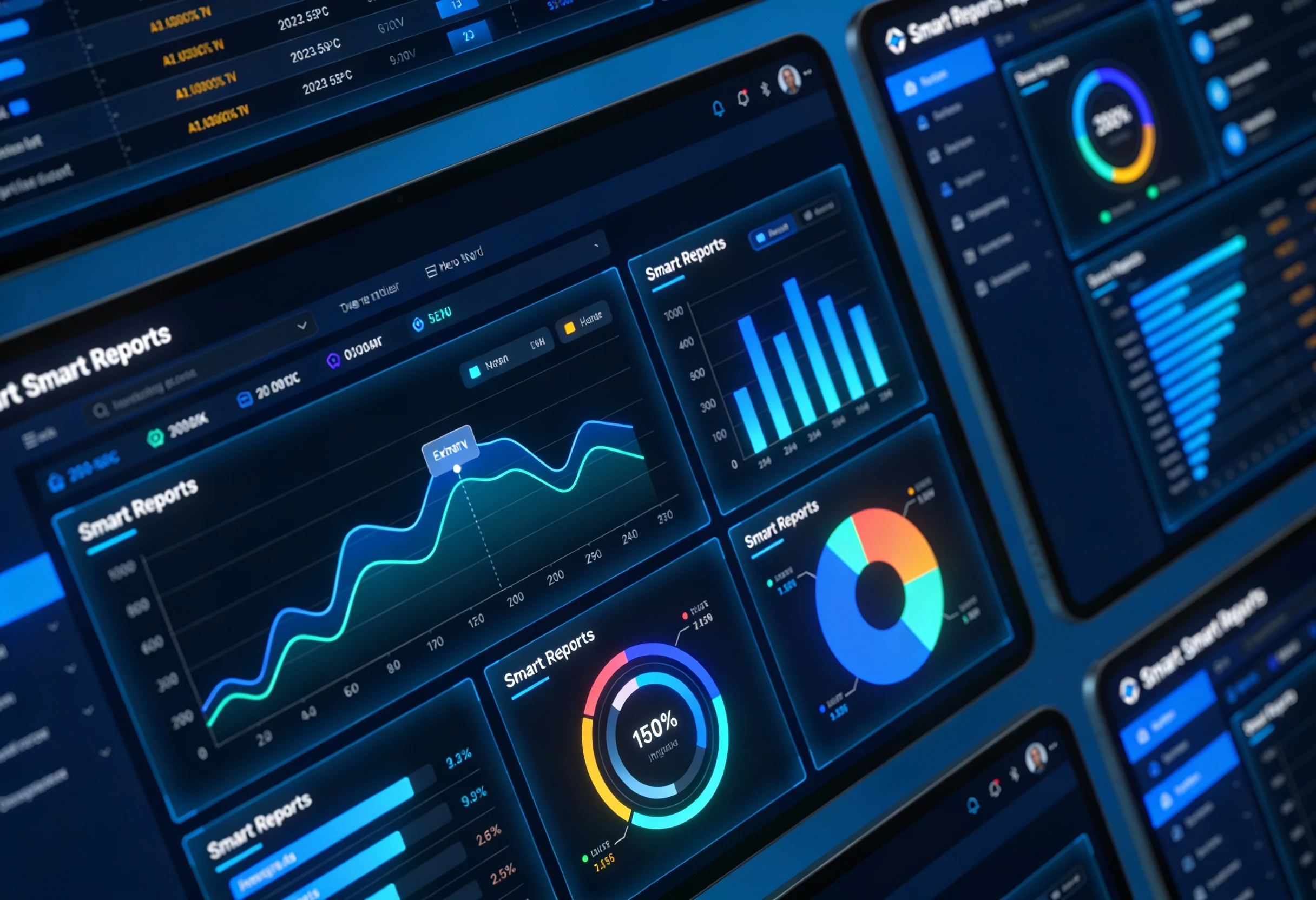
Comprehensive analytics dashboards track key metrics including conversation volume, resolution rates, customer satisfaction scores, and containment rates. Conversation flow analysis identifies points where customers frequently abandon or request human assistance. These insights guide optimization efforts to improve chatbot effectiveness over time.
Intent analysis reveals emerging customer needs and frequently asked questions not currently addressed in knowledge bases. Our digital marketing services teams use chatbot data to inform content strategy and identify market opportunities. Performance benchmarking compares your chatbot metrics against industry standards and best practices.
Advanced implementations combine text-based Arabic AI chatbot Riyadh with voice capabilities for phone support automation. Speech-to-text technology converts customer voice calls into text for processing by the same NLP engine. Text-to-speech synthesis delivers natural-sounding Arabic and English responses that maintain conversation flow.
Voice biometrics add security layer for account authentication during phone interactions. Interactive voice response (IVR) systems route calls to appropriate departments or handle complete inquiries autonomously. This voice integration provides consistent experiences across text and voice channels.
Chatbot implementation begins with discovery workshops identifying use cases, success metrics, and integration requirements. Conversation design sessions map customer journeys and define optimal bot responses for common scenarios. Development sprints build and test functionality incrementally, allowing early stakeholder feedback.
Pilot deployments start with limited customer segments to validate performance before full-scale launch. Training programs prepare customer service teams to work alongside chatbots and handle escalated inquiries. Post-launch optimization continues for 90 days, refining responses based on real conversation data and customer feedback.


Our Arabic NLP chatbot Saudi systems are trained on Gulf Arabic datasets with 85-95% accuracy in understanding regional dialects. Continuous learning from real conversations improves accuracy over time.
Intelligent assistants resolve 60-80% of routine inquiries autonomously and seamlessly escalate complex issues to human agents. The system provides agents with full conversation context for efficient resolution.
Basic implementations deploy in 6-8 weeks while complex enterprise solutions require 3-6 months. Timeline depends on integration complexity and knowledge base size.
For simple inquiries like order tracking and FAQs, 70% of customers prefer instant chatbot responses. Complex or emotional issues still benefit from human agent expertise and empathy.
Businesses typically reduce customer service costs by 30-50% through chatbot automation. Exact savings depend on inquiry volume, complexity, and current staffing costs.