
































Many organizations in Abu Dhabi still rely on manual processes that slow everything down. Approvals move through emails, staff re-enter the same data in different systems, and managers only discover problems after they have already caused delays. This is common across government departments, B2B firms, and customer-focused businesses.
AI automation Abu Dhabi addresses these challenges by introducing controlled, rule-based workflows supported by artificial intelligence. The goal is not to replace teams, but to remove repeated work, reduce errors, and give leaders clear visibility into how operations are actually running.
AI automation in Abu Dhabi is practical and process-driven. It focuses on tasks that already follow rules and policies, such as approvals, validations, routing, and reporting. These processes are automated so they move forward without manual reminders.
Intelligent automation UAE solutions combine workflow logic with AI decision support. This allows systems to check data, classify requests, and handle exceptions while still keeping people involved where judgment is required.
This approach fits well with regulated environments and structured operations commonly found in Abu Dhabi.


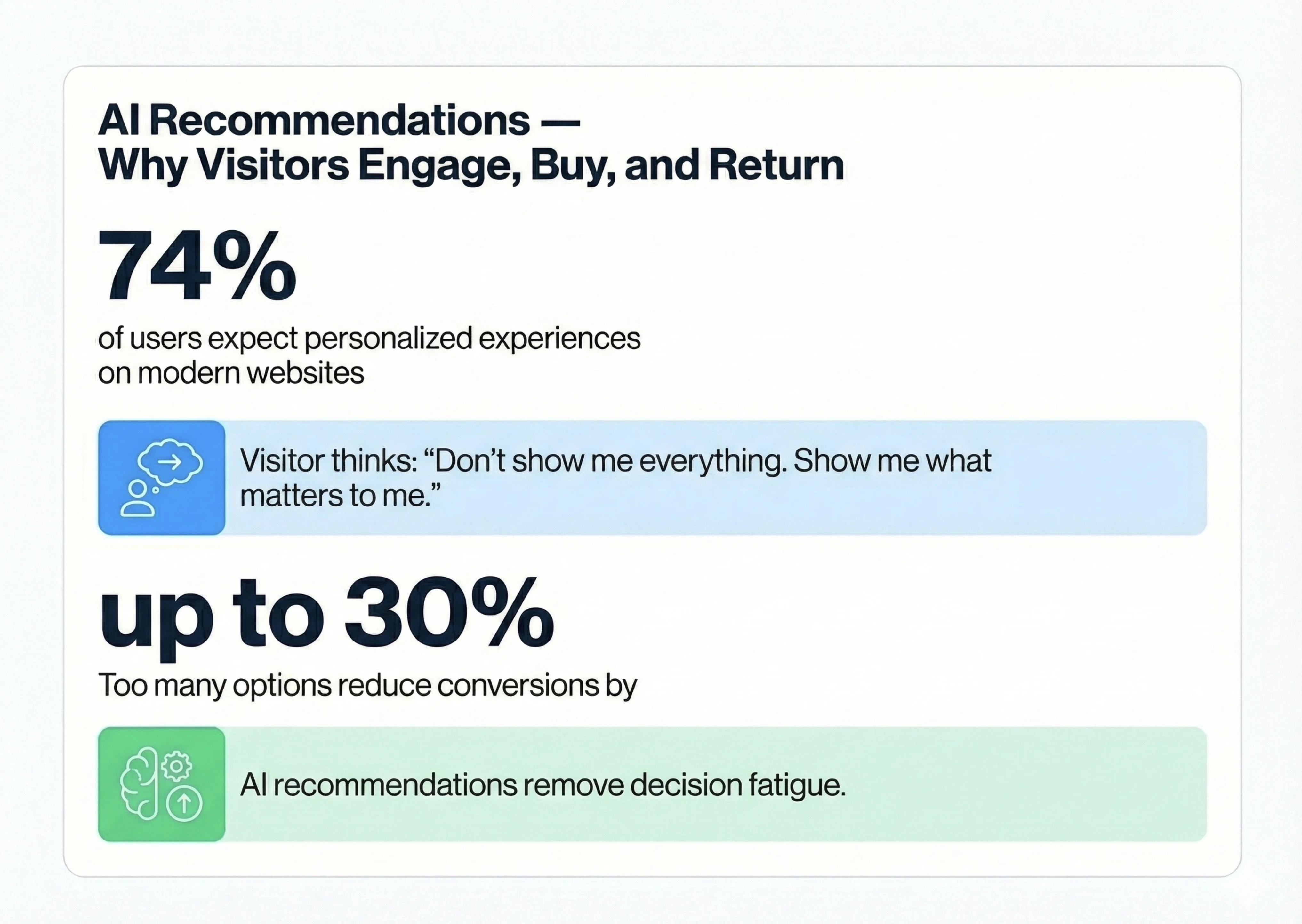
Most organizations do not start automation because of technology trends. They start because daily work becomes hard to manage at scale.
Teams spend too much time on coordination instead of execution. Managers lack real-time insight. Customers and citizens wait longer than they should. Over time, this affects trust, cost control, and service quality.
Workflow AI Abu Dhabi improves this by creating predictable flows of work, where each task knows where it should go next and when action is required.
Workflow AI is about managing the journey of a task from start to finish. Instead of relying on emails or verbal follow-ups, the system controls the sequence of actions.
For example, a request can be received, checked, approved, and logged automatically. If something is missing, the system flags it immediately. If an approval is delayed, the right person is notified. This reduces waiting time and removes confusion.
Workflow AI works best for finance approvals, service requests, HR processes, and internal operations that repeat daily.


Most organizations already use multiple platforms such as ERP, CRM, HR, and finance systems. The problem is that these systems often operate in isolation.
AI orchestration Abu Dhabi connects these platforms so data and actions move between them without manual intervention. When one system updates, others respond automatically based on predefined rules.
This reduces duplicate work, improves data accuracy, and ensures that teams are always working with current information.
Government entities in Abu Dhabi manage high volumes of structured requests under strict policies. Delays or inconsistencies can create public dissatisfaction and compliance risks.
Smart government automation Abu Dhabi focuses on building transparent, auditable workflows. Every step is recorded, decisions follow defined rules, and exceptions are handled consistently.
For b2g ai automation UAE, this approach also supports organizations that interact with government entities, ensuring their processes align with public sector requirements.


In B2B environments, operations often involve long approval cycles and multiple stakeholders. B2b ai automation Abu Dhabi helps manage these workflows so deals, contracts, and projects move forward without unnecessary delays.
In customer-facing environments, speed and clarity are critical. B2c ai automation Abu Dhabi supports faster response times, better request routing, and consistent service delivery without increasing staff workload.
Both models rely on structured workflows supported by intelligent automation.
A realistic AI automation project follows a clear structure. This is not an open-ended experiment.
The first step is understanding how work is currently done. Only stable, rule-based processes are selected for automation. This stage typically takes one to two weeks.
Once processes are agreed, workflows and decision rules are designed. Integration points with existing systems are defined. This usually takes another one to two weeks.
Automation is then configured and connected to existing platforms. This stage often takes three to six weeks depending on complexity.
Before going live, workflows are tested using real scenarios. Users are trained, and deployment is done in a controlled manner. This stage usually takes one to two weeks.


For most organizations:
These timelines reflect real approval cycles and system dependencies in Abu Dhabi.
Automation must respect data access rules and local regulations. Intelligent automation includes role-based access, audit trails, and secure integrations.
This ensures organizations maintain control while improving efficiency.


GO-Globe provides AI automation services focused on operational clarity and long-term usability. The approach is structured, practical, and aligned with how organizations in Abu Dhabi actually operate.
Automation is introduced gradually, integrated with existing systems, and supported with documentation and training.
AI automation is most effective when processes are repeated, delays are costly, and accuracy matters. It is not suitable for work that changes constantly or depends entirely on human judgment.
If your organization struggles with slow approvals, disconnected systems, or rising operational workload, AI automation is a logical next step.


You do not need to automate everything at once. Start with one process that causes friction, measure the improvement, and expand from there.