Have you ever wondered if computers could do some of your work? Autonomous agents in 2026 are smart programs that can do this. They can answer questions, manage schedules, and help teams, almost like digital helpers in the office.
Some people worry that these AI workers will take jobs away. The truth is a bit different. Jobs are not disappearing, they are just changing. Humans and AI are starting to work together. AI takes care of repetitive, boring tasks. Humans focus on creative and important work that needs thinking, planning, and emotion.
In this blog, we will explore real examples of how businesses are using AI helpers. We will look at the benefits and the challenges. And we will show how companies like GO-Globe help teams use AI in smart and practical ways.
Contents
- 1 What an AI Autonomous Agent Actually Is?
- 2 Will AI Autonomous Agents Replace Human Jobs in 2026?
- 3 Types of Job Sectors Most Affected by AI Autonomous Agents in 2026
- 4 5 Job Sectors Least Likely to Be Replaced by AI
- 5 New Job Opportunities Created by AI Autonomous Agents in 2026
- 6 How AI Autonomous Agents Are Making Jobs Easier
- 7 Challenges of Autonomous Bots in Human Jobs
- 8 The Future of AI Autonomous Agents Beyond 2026
- 9 How GO-Globe Helps Businesses Leverage AI Autonomous Agents
- 10 Conclusion
- 11 FAQs
What an AI Autonomous Agent Actually Is?
An AI autonomous agent is like digital employees or virtual helpers that can work on their own. Think of it as a tool that notices information, decides what to do, and then takes action, all without needing someone to tell it step by step.
Here’s how it works:
- It notices information, like reading emails or checking records.
- It decides what to do, based on past tasks and rules.
- It takes action, such as replying to a customer or updating a spreadsheet.
For example, an AI agent might handle incoming emails, update customer details, or manage simple requests, finishing tasks automatically.
It’s important to know that AI works within rules set by humans. Its purpose is to help people, not replace them. These bots show how AI agent capabilities can support teams and make work faster and easier.
Will AI Autonomous Agents Replace Human Jobs in 2026?
Many people worry that AI will take their jobs. The truth is: AI is changing jobs more than it is replacing them. These smart systems promote human-AI collaboration and do not eliminate humans.
The key is understanding job replacement vs job modification:
- Automating tasks: AI handles repetitive, rule-based work first.
- Eliminating roles : only rarely are whole jobs removed; most jobs just change.
Humans still matter because AI cannot solve every problem. When repetitive work is done by machines, people can focus on:
- Creativity and ideas
- Problem-solving and judgment
- Collaboration with AI tools
The numbers show this shift is real. The global AI market was valued at $391 billion in 2025 and may reach $1.8 trillion by 2030. This growth means companies invest in AI to support employees and business growth, not just cut staff.
How AI Autonomous Agents Is Influencing Jobs in 2026
When we talk about job influence, it’s not just about losing work. It’s about changes in productivity, roles, and the skills people need. Many businesses now use autonomous agents in 2026 to support employees and speed up tasks.
The impact on productivity is big. PwC reports that in industries using AI, productivity growth rose from about 7% to nearly 27%. This means workers can get more done, and companies see higher revenue per employee.
Some workforce changes are expected. The World Economic Forum forecasts that around 40% of employers may reduce staff in some areas—but mostly through task automation, not full job loss.
At the same time, AI is creating new jobs. WEF estimates 92 million roles may be affected, while 170 million new roles will appear. Wages are rising in AI-augmented jobs, showing that human-AI collaboration can boost both skill and income.
Types of Job Sectors Most Affected by AI Autonomous Agents in 2026
AI is spreading fast across industries, but some jobs feel the impact more than others. Sectors with repetitive, data-heavy, or rule-based tasks are affected first. PwC reports that productivity in AI-exposed roles grew from 7% (2018–2022) to 27% (2018–2024). Companies using AI see nearly 3x higher growth in revenue per employee than low-AI sectors.
1. Sales Roles
Sales reps often spend about 70% of their time on tasks not related to selling. AI can change this. Smart agents automate data entry, scheduling, and email follow-ups. They can also identify high-potential leads, forecast trends, and do research.
In fact, Teams using AI report 83% annual revenue growth, compared to 66% without AI. With this support, reps can spend more time building relationships and closing deals. This is a clear case of human-AI collaboration boosting efficiency and results.
2. Customer Service and Retail
AI helps customer service by doing simple tasks. It can answer questions, take orders, and fix small problems. For example, Agent force AI can reply to customers, connect them to a human rep, or solve issues from start to finish. This means people can focus on harder problems or talking to customers who need care. AI works all day and night, so answers are faster, and customers are happier.
3. Marketing and Content Creation
In marketing, AI can do boring tasks like writing simple texts or checking numbers. Autonomous agents in 2026 can also help create new content ideas, make campaigns personal, and find helpful insights from data. For example, AI can look at old campaigns and suggest better ads.
This gives marketers more time to think of creative ideas, plan strategy, and keep the brand’s style. AI helps the team, it does not replace them.
4. Manufacturing and Logistics
Many factories now use robots and AI to do work. They help on assembly lines, check products, and manage supply. By 2030, some jobs may change because of this. But humans are still needed. People watch robots, fix machines, and make sure things run right.
For example, robots can pick and sort warehouse orders while humans keep an eye on them. Workers can also learn new skills in robotics and AI. AI does the hard, repetitive work, and humans do the thinking and problem solving.
5. Administrative Roles
AI can do simple office tasks. It can collect data, check documents, or make reports. Some data entry jobs may go away. But humans can do more important work instead. They can improve processes, make decisions, and talk with clients.
Knowing this job automation reality helps people see AI as a helper. AI handles the boring work, so humans can focus on smart, creative tasks.
6. Finance and Accounting
AI can do simple finance tasks like data entry, budgeting, and expense reports. It can also check for fraud and look at large amounts of data quickly. Accountants can spend more time on important work like managing risks, giving advice, and planning strategy.
For example, AI can flag suspicious transactions for review, so humans can focus on solving problems. AI takes care of the boring, repetitive parts, letting people do smarter work.
7. Legal Sector
AI helps lawyers and paralegals with tasks like reviewing documents, analyzing contracts, and researching cases. It can even predict possible outcomes and check past cases fast. This lets legal teams focus on meeting clients, giving advice, and handling tricky issues.
AI works like a smart assistant for digital employees, speeding up background checks, case history reviews, and risk assessment. Humans make the final decisions, while AI handles repetitive tasks.
5 Job Sectors Least Likely to Be Replaced by AI
Some jobs need human skills like empathy, creativity, and quick judgment. AI can help with tasks, but it cannot fully replace people in these roles. These jobs show how AI works as a helper, not a replacement, supporting humans instead of taking over completely.
1. Healthcare and Social Work
AI can help with checking data, keeping records, or suggesting treatment plans. But humans provide emotional care, bedside manner, and final decisions. For example, a doctor may see AI’s suggested treatment options but chooses the best one for the patient.
2. Creative Roles
AI supports creativity by drafting music, art ideas, or written content. Humans add style, emotion, and strategy. For example, AI might create a song draft, but the musician adjusts tone, emotion, and audience feel. This shows the power of AI agent capabilities, which is helping, not replacing humans.
3. Managers and Leadership
AI can analyze numbers and suggest solutions. Humans guide teams, make quick decisions, and inspire workers. For example, AI spots trends, but managers decide how to act and lead the team. Human judgment is essential for real-time problems.
4. General Contractors and Tradespeople
AI workforce cannot replace hands-on work or adapt to surprises on site. Jobs like construction, repairs, and maintenance need human skill. Robots can lift or measure, but humans do the complex work.
5. Teachers and Caregivers
AI can help with lesson plans, paperwork, or reminders. Humans provide guidance, mentorship, and emotional support. For example, AI may make teaching material, but teachers adjust it for each student’s needs. In short, human care and teaching is irreplaceable.
New Job Opportunities Created by AI Autonomous Agents in 2026
AI is not just changing old jobs. It is also creating new roles in many industries. Companies now need people who can work with AI. Learning AI skills or earning certificates can help workers get better jobs or even start new careers.
- AI and Machine Learning Specialists
AI specialists build tools and systems that solve big problems. They help AI learn patterns, detect fraud, or manage inventories. For example, a specialist may train AI to spot unusual transactions in a bank. These roles are in high demand across many industries.
- Data Analysts and Big Data Specialists
AI runs on data. Analysts organize large datasets so AI can make smart decisions. For instance, an analyst might prepare sales and customer data to help AI predict buying trends. These roles are growing in finance, retail, and logistics because companies need accurate data to train AI.
- AI Maintenance and Robotics Technicians
Technicians make sure AI systems and robots work properly. They fix, maintain, and check machines in factories, hospitals, and warehouses. For example, a technician may supervise warehouse robots to make sure they pick and sort packages correctly.
- Prompt Engineers and AI Trainers
Prompt engineers and AI trainers teach AI how to respond correctly. They write instructions, prepare datasets, and train chatbots. For example, a trainer teaches a bot to answer customer questions naturally. These roles need creativity and understanding of human behavior. They improve the performance of digital employees.
- AI Ethics and Policy Experts
AI ethicists make sure AI is fair, safe, and follows rules. They check for bias and write policies for companies to follow. These jobs are important for society and will grow as AI becomes part of daily work.
How AI Autonomous Agents Are Making Jobs Easier
AI agents are not replacing humans; instead, they make work easier by handling repetitive and time-consuming tasks. According to Slack research, 81% of desk workers who use AI report higher productivity. However, 48% of workers feel uncomfortable telling managers they use AI, showing people still have mixed feelings.
Overall, AI workforce makes work smoother and more efficient while humans remain in control.
Here is how they are making jobs easier for us:
Quick, Smooth, Stable Communication
AI chatbots and virtual helpers answer simple customer questions instantly. For example, AI can handle IT or HR tickets automatically.
During meetings, AI can:
- Transcribe discussions
- Summarize action points
- Highlight key follow-ups
This saves time and reduces stress, letting workers focus on work that really needs human thinking.
Enhanced Decision-Making
AI looks at large amounts of information quickly. It can spot trends and help managers make smarter decisions.
- Sales teams use AI to see which leads are most likely to buy.
- Executives get real-time dashboards to plan ahead.
This means decisions are faster and more accurate. AI supports humans but does not replace them, strengthening the AI workforce.
Increased Productivity
AI task managers and schedulers organize calendars, set reminders, and prioritize tasks. Collaboration becomes easier with tools that:
- Share documents automatically
- Allow real-time editing
- Control versions of files
With this, employees spend more time on valuable work, improving output and quality.
Challenges of Autonomous Bots in Human Jobs
AI autonomous agents are very smart, but they cannot replace humans completely. They do well with structured, rule-based work, like processing data or following instructions. Humans still lead in areas needing empathy, judgment, and flexibility.
These challenges affect how businesses use AI and show why human-AI collaboration is important.
- Lack of Emotional Intelligence and Human Judgment
AI can read data and follow rules, but it cannot feel emotions or understand social cues. For example, an AI may detect an unhappy customer but cannot calm them down like a human. Humans are needed in situations that require empathy, moral judgment, or instinct. This is why autonomous agents in 2026 support humans rather than replace them.
- Ethical and Bias Concerns
AI depends on the data it learns from. If the data is biased or incomplete, AI can make unfair decisions. For example, AI might favor certain job candidates if trained on biased hiring data. These ethical issues include transparency, accountability, and potential misuse.
- Dependence on Data and Limitations in Unstructured Environments
AI works best with clean, organized data. In messy or unpredictable situations, it may fail. For example, AI might not respond correctly without clear instructions in emergency situations. Complex and unpredictable tasks are still where humans shine, highlighting the need for human-AI collaboration.
The Future of AI Autonomous Agents Beyond 2026
AI agents are no longer just experiments. They are becoming common tools in many industries. Easy-to-use platforms like ChatGPT make adoption faster. In fact, 79% of executives expect AI to bring big changes in the next three years.
Future AI agents will do more than follow instructions. They can handle complex, multi-step tasks on their own. In the supply chain, AI may place orders, pick suppliers, and alert humans only when exceptions happen. In customer support, AI can manage tiered support, escalating only new or tricky issues.
By 2030, McKinsey predicts that 27% of hours in Europe and 30% in the U.S. could be automated. This does not mean jobs vanish. Instead, tasks inside jobs are automated so humans can focus on higher-value work.
Deloitte finds that 26% of leaders are already exploring agentic AI at scale. Businesses investing early in AI gain an edge with faster decisions and more efficient operations. The growing AI workforce will transform finance, logistics, customer service, and more.
How GO-Globe Helps Businesses Leverage AI Autonomous Agents
Today, businesses face many problems. Some of them are repetitive tasks, slow replies, and messy processes that waste time. Other common issues are:
- Staff answering the same questions again and again
- Lost or delayed leads
- Different answers on different platforms
- Manual work slowing growth
This is where GO-Globe provides autonomous agents in 2026. These AI chatbots work 24/7 on your website, WhatsApp, Facebook, and live chat. They connect to your systems and CRM to handle tasks automatically.
This helps businesses:
- Reduce repetitive work
- Streamline daily operations
- Capture leads fast
- Give consistent answers every time
With GO-Globe, companies can lower support costs, increase conversions by 30–50%, and let staff focus on important work. By using smart tools and business knowledge together, we make work easier, faster, and more productive.
Conclusion
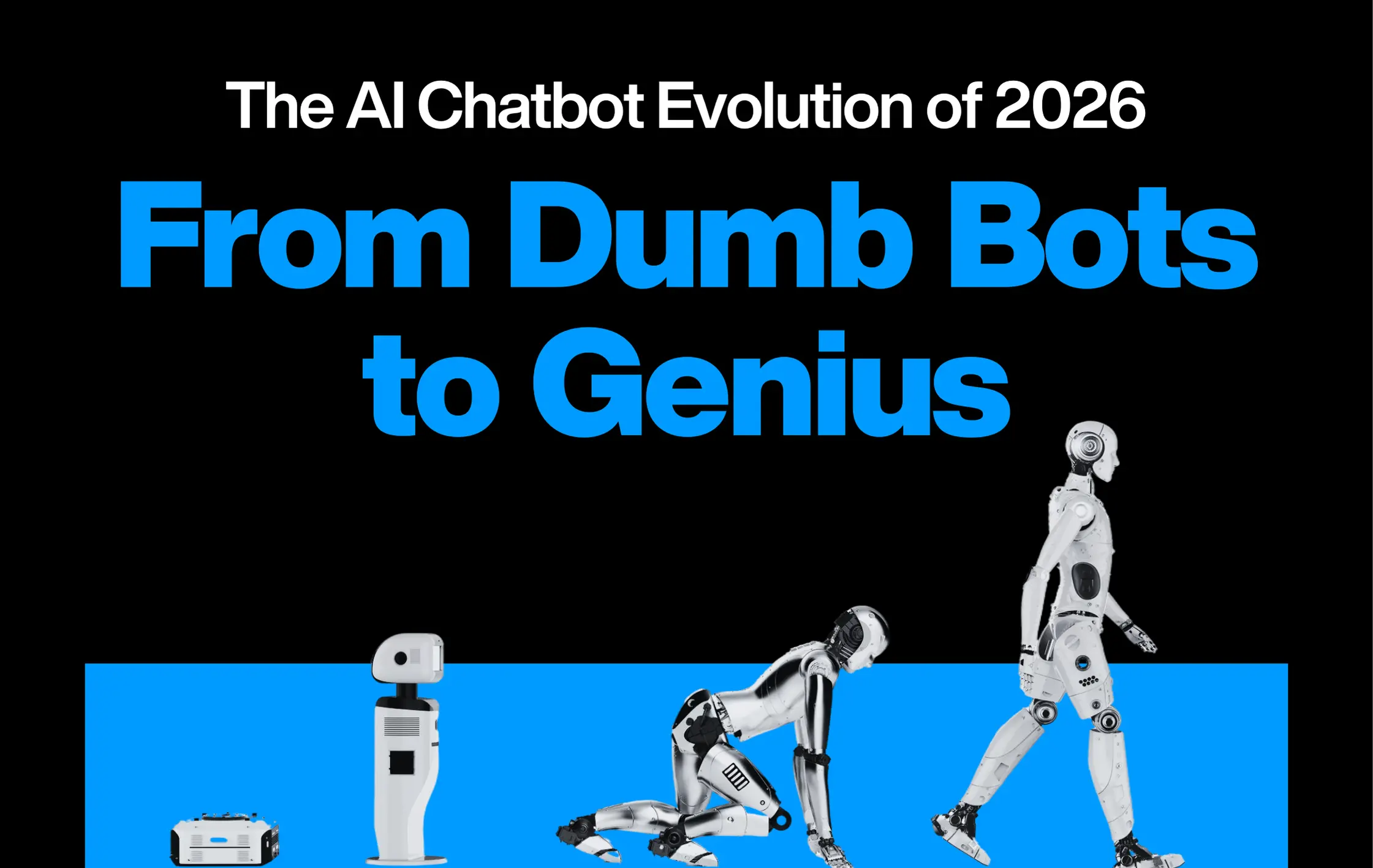
AI is changing the way we work, but it is not fully replacing jobs. From simple rule-based tools to advanced autonomous agents in 2026, chatbots have evolved to handle customer queries, schedule tasks, and support teams without constant human help. Over time, these bots have grown smarter and more reliable. They help businesses save time and improve efficiency. The main idea is that AI works best alongside humans, making jobs easier rather than taking them away.
This is why online businesses need to adopt AI tools today. For this, Go-Globe’s AI solutions help companies use autonomous agents effectively to enhance productivity and stay competitive.
FAQs
Q1: Are AI autonomous agents going to take all human jobs?
No. AI helps with repetitive or rule-based tasks, but humans are needed for creativity, judgment, and emotional work. AI works best as a helper, not a full replacement.
Q2: What kind of jobs are most affected by AI?
Jobs with repetitive, data-heavy tasks like sales admin, customer support, and basic accounting see the most change. Humans still handle complex tasks and decisions.
Q3: Which jobs are least likely to be replaced by AI?
Jobs needing empathy, creativity, or physical presence, like healthcare, teaching, creative roles, and skilled trades, are safe from full replacement. AI only supports them.
Q4: How can AI make jobs easier?
AI automates routine work, manages schedules, analyzes data, and helps in decision-making. This gives humans more time for creative and strategic tasks.
Q5: Can AI create new job opportunities?
Yes. AI creates roles like AI specialists, data analysts, AI trainers, robotics technicians, and AI ethics experts. Learning AI skills can lead to new careers.
Q6: Are automated chatbots really useful for businesses?
Absolutely. Chatbots and AI agents handle customer queries, lead management, and repetitive tasks 24/7, helping teams save time and work efficiently.