Luxury fashion has always been about craftsmanship, detail, and experience. But today, something new is entering the scene—technology. From virtual stores to digital commerce solutions-only designs, fashion houses are rethinking how they connect with customers. And it’s not just a trend—it’s a shift in how the industry works.
Contents
What’s Actually Changing?
Shopping Through a Screen – and It Feels Real
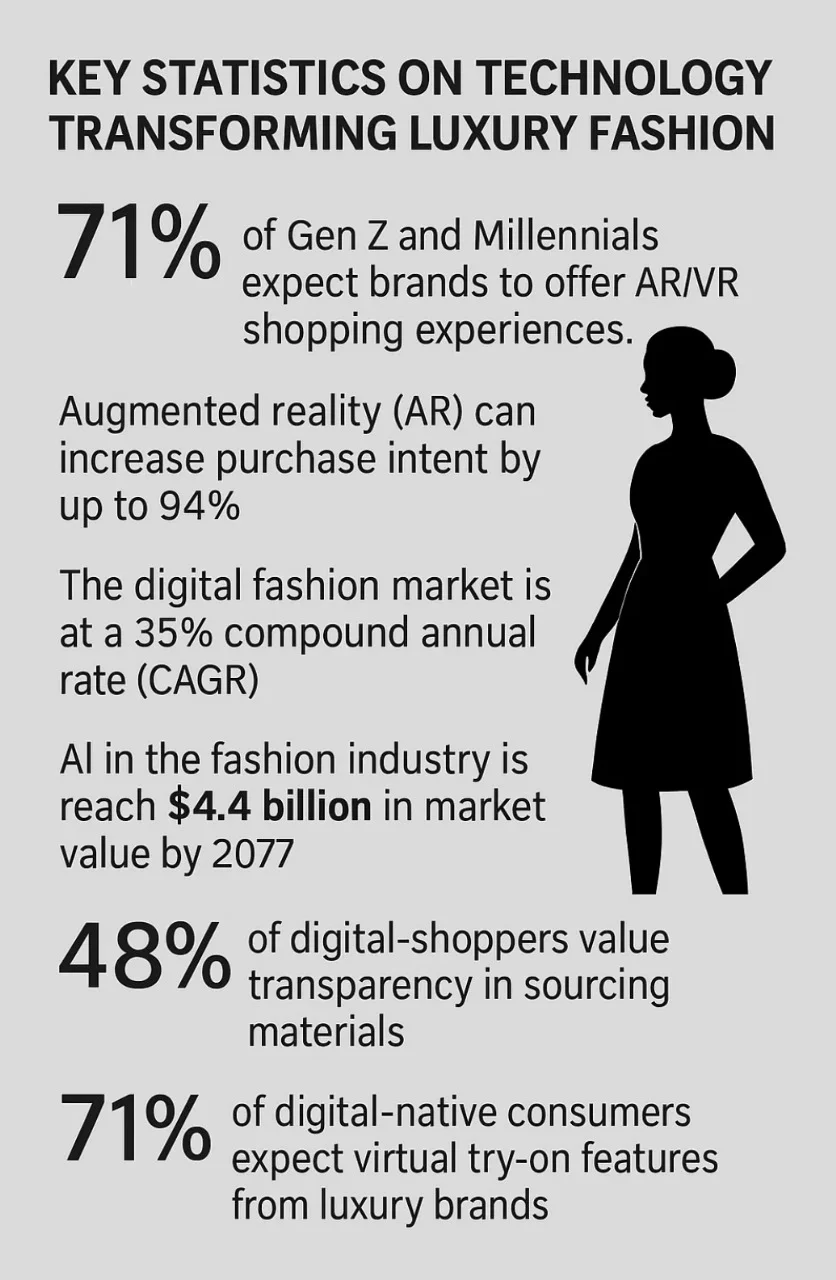
Imagine pointing your phone at your feet and instantly seeing how a pair of designer sneakers would look. That’s augmented reality. Or slipping on a VR headset and walking through a digital Chanel boutique from your living room. These tools are helping brands offer something closer to physical shopping—without needing to be there.
- Younger buyers especially expect these features. It’s becoming the new normal.
- Gucci, for example, built AR into its app. You can “try on” shoes virtually. Burberry launched virtual pop-ups so people could browse collections in VR.
Clothing That Only Exists Online
It sounds strange, but people are now buying fashion pieces they’ll never wear physically. Digital fashion is growing fast, especially in gaming and on social media. Think outfits for your avatar, or one-time wearable posts for Instagram.
On top of that, NFTs are helping brands sell unique digital goods—limited drops, collectibles, or even access to exclusive experiences.
- Balenciaga entered the Fortnite universe with digital gear.
- Dolce & Gabbana released digital couture pieces that brought in millions.
Luxury fashion model in bold 2025 trendsetting attire on runway
Getting Personal with AI
Luxury customers want to feel special. AI helps with that—tracking buying patterns, suggesting items that actually fit someone’s style, even acting as a virtual stylist. It’s more than automation; it’s about relevance.
- Chanel is using AI to suggest products based on personal preferences.
- Louis Vuitton uses it behind the scenes too—for example, spotting counterfeits.
Proving It’s Real with Blockchain
One major concern in luxury is authenticity. Blockchain can solve that. It creates a digital record that proves an item is genuine—and even shows where the materials came from. It’s trust, built into the product.
- LVMH’s Aura blockchain tracks product histories.
- Prada uses it to issue authenticity certificates on key items.
Why Luxury Brands Are Paying Attention
- It makes the experience feel richer – immersive tech means people connect emotionally, not just visually.
- It expands reach – shoppers from anywhere can engage with your brand.
- It appeals to a younger crowd – especially those already living part of their lives online.
- It supports values – sustainability, transparency, and authenticity all get a boost.
Final Thought
This isn’t about replacing the essence of luxury—it’s about enhancing it. Technology, when used right, adds depth to what brands already do best: create desire, quality, and emotion. The future of luxury will still be beautiful—but it will also be smarter, more personal, and more connected than ever before.