Large-scale hospitals and medical networks manage critical patient care with thousands of daily interactions and massive data volumes. Yet, most still rely on disconnected platforms and manual workflows across diagnosis, pharmacy, and billing. These clinical silos and information gaps compromise patient safety, drive up administrative costs, and prevent providers from delivering the digital-first care patients now demand.


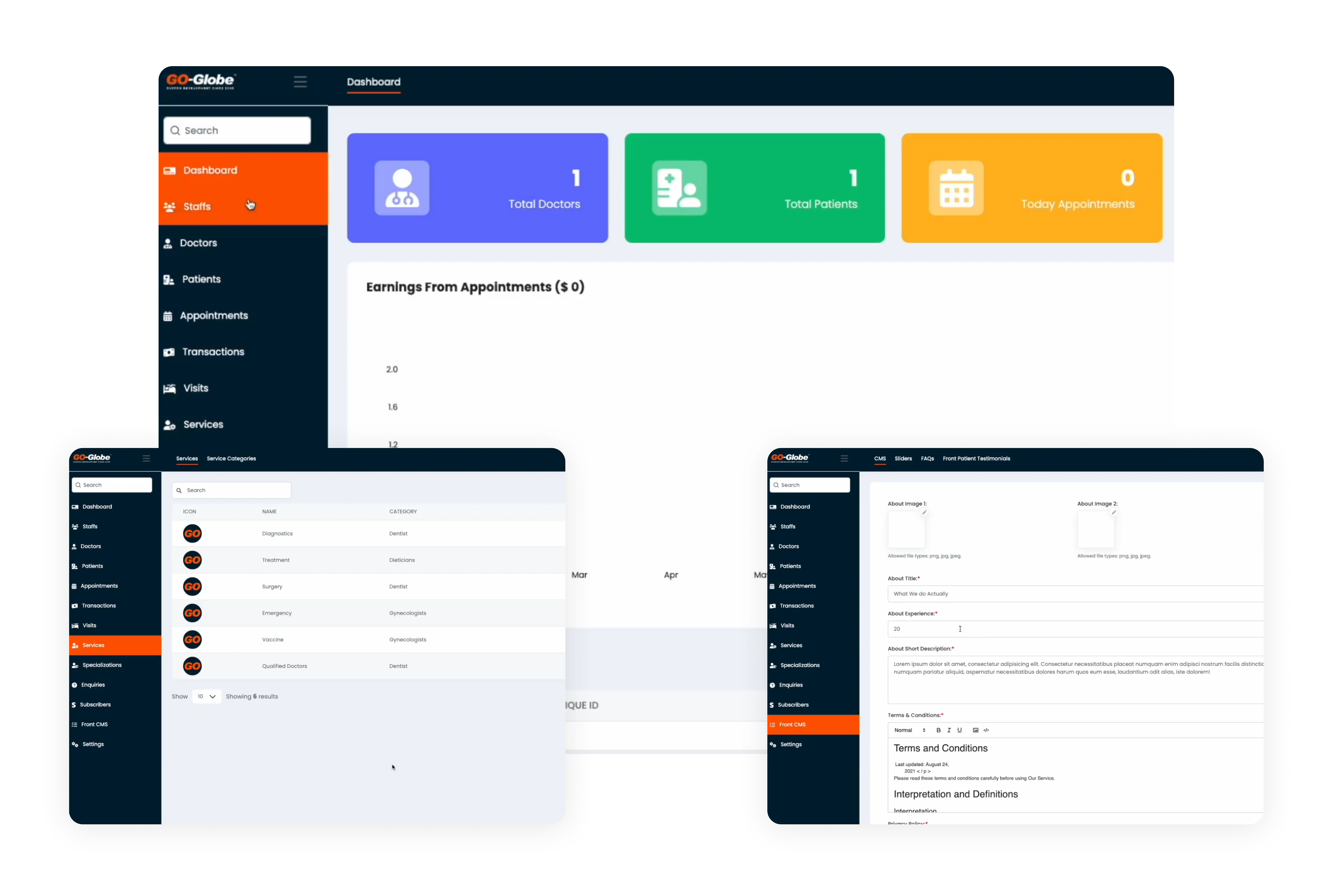
Modern healthcare platforms provide a unified clinical core, replacing fragmented legacy systems with a secure, high-performance digital infrastructure.
Clinical Productivity: Connected systems eliminate manual data entry and redundant paperwork, driving 15–25% gains in staff efficiency.
Patient Journey Automation: Workflows automate appointment booking, follow-ups, and billing, shrinking administrative cycle times from days to minutes.
Embedded Patient Safety: Built-in allergy alerts, dosage checks, and security protocols simplify compliance and mitigate clinical risk.
Medical-Grade Scalability: Infrastructure scales across multiple departments and high patient volumes, ensuring technology never limits your facility's growth.
Unified Patient Experience: A single source of truth provides consistent care for patients and a frictionless environment for medical professionals.
Modern medical organizations face operational hurdles that compromise patient care and profitability.
Clinical Fragmentation: Large hospitals run many disconnected systems for labs, pharmacy, and radiology. Data does not flow easily, staff juggle multiple logins, and patient records become disjointed. Over time, technical debt and errors keep growing.
Data Silos and Information Lag: Vital patient information stays trapped within departments, preventing a 360-degree view of health history. Leaders lack real-time insight, diagnosis relies on incomplete data, and treatment is delayed while competitors offer faster, digital-first care.

Integrated medical platforms replace outdated paper-based processes with a high-performance data core. Institutions transition from reactive troubleshooting to proactive, patient-centered execution.
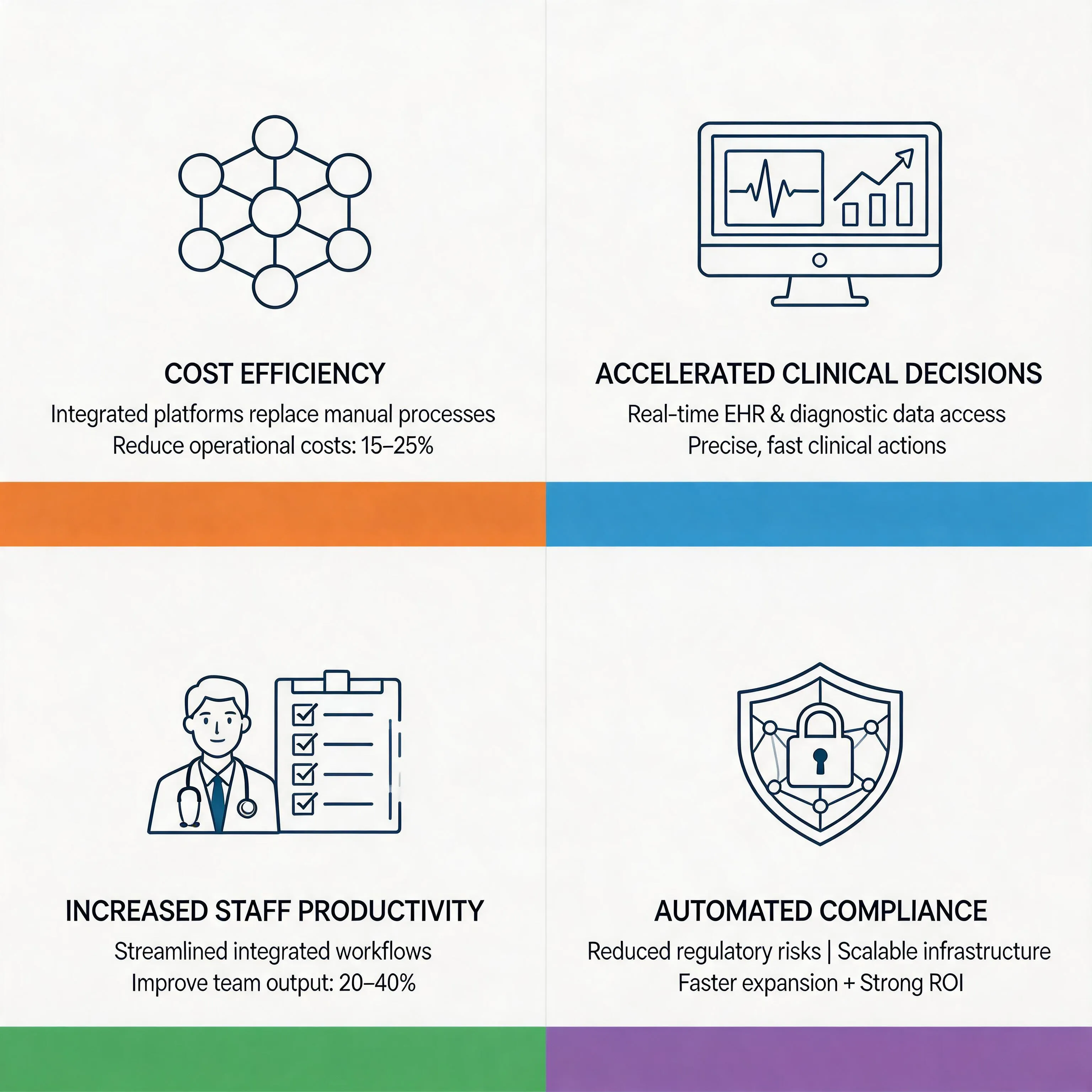
Significant Cost Reduction: Automation of billing and supply chain management typically drives a 15–25% decrease in operational costs.
Accelerated Clinical Decisions: Real-time access to EHR and diagnostic data allows medical teams to act with absolute precision.
Peak Staff Productivity: Streamlined nursing workflows and integrated lab tools drive a 20–40% increase in team output.
Automated Regulatory Compliance: Systematic controls and encrypted audit trails reduce compliance costs and HIPAA/Local Authority risks by 30–50%.
Rapid Service Expansion: Scalable digital infrastructure accelerates the time to market for new clinics, specialty departments, and regional branches.
High-Velocity ROI: Full return on investment is typically realized within 18–36 months, providing long-term financial stability for the institution.
We build specialized medical platforms for large-scale healthcare providers including multi-specialty hospitals, private clinics, diagnostic centers, and government health authorities.
Hospital Management Systems (HMS): Integrated platforms covering OPD/IPD management, pharmacy, labs, and insurance billing. These systems remove silos and help the facility run on shared, reliable patient data.
Electronic Health Records (EHR): Secure, encrypted repositories for patient history, prescriptions, and imaging results. Built to support real-time clinical access and strict privacy requirements.
Patient & Doctor Portals: Modern digital interfaces featuring online booking, telemedicine tools, and self-service results. These portals become the digital front door of your medical brand.
Healthcare Analytics & BI: Advanced reporting platforms that turn massive patient datasets into clear clinical insights, supporting faster diagnosis and better resource allocation.


Phased Digital Rollout (Months 3 to 18): Projects are delivered in controlled phases covering design, clinical integration, testing, and pilot launch. This minimizes disruption to active patient care.
Medical Staff Training: Adoption is the key to safety. We support your doctors and nurses through intensive training and documentation, ensuring teams are confident and engaged with the new system.
Strategic digital platforms allow healthcare organizations to unify disparate departments and maintain a single source of truth across all care points.
Multi-Specialty Hospitals: Centralize management for various departments (Cardiology, Oncology, etc.) to ensure a seamless patient transition between specialists.
Private Clinic Groups: Deploy a unified system that syncs perfectly across multiple locations while managing centralized billing and scheduling.
Diagnostic & Imaging Centers: Power high-volume labs with automated result delivery and integration with external physician networks.
Telehealth & Remote Care: Manage international patient consultations and remote monitoring through a secure, compliant digital framework.


Stop wasting revenue on inefficient scheduling and manual billing. Stop making clinical decisions based on incomplete or outdated patient charts. Stop frustrating your medical staff with disconnected systems that multiply their workload.
Modern healthcare platforms eliminate administrative waste systematically. You gain complete visibility into your facility in real time. Processes automate from patient intake to discharge. Patient satisfaction increases dramatically. Compliance becomes an automated byproduct of your workflow rather than a manual burden. Every month without digital transformation is a month of missed growth and clinical inefficiency.