































...

Workflow Automation in Miami

GO-Globe delivers workflow automation for companies in Miami and South Florida. We have been building business systems since 2005, and we have delivered more than 800 projects for clients in over 25 countries.

This page is about the build itself. Connecting the systems you already run, automating the steps that currently need a person to move information from one place to another, and testing it until it holds up under real use.

If you have not yet worked out which process to automate first or whether it is actually worth the investment, that decision comes before this page, and it is covered in depth on our business automation in Miami page. This page assumes that decision is already made, or that you already know exactly what needs connecting.

Book a Free Consultation
  • Group 39441
    Group 41591
    Group 38992
    Group 38412
  • Group 39422
    Group 4170
    Group 4171
    Group 3943
  • Group4
    Group 41644
    Frame4
    Group 4172
    Group 41674
    Group 41664
    Frame4
    jar3OT.tif
    Frame
  • layer1
    Group 4174
    Group 4175
    Group 4176
    Group 4177
    Group 4178
    logo
    Frame
    Frame
    Group 4179
    Group 4169
About GO-Globe

Top quality, technology innovation, modern systems since 2005

GO-Globe leads in Corporate Web Apps, Custom Development, E-Commerce, ERP, AI Innovations, Branding, Hosting, and Business Advice.
Our expertise covers custom web design & development, mobile apps, e-commerce, VR/AR, AI ChatBots, and top consultancy. We serve various industries globally.
Founded in 2005 in Dubai, our clients include businesses, governments, royal families and charities. They all benefit from our profit-focused approach and fair policies.
Boost your profits with GO-Globe – your partner in innovation and growth!

What Workflow Automation Actually Means

Workflow automation is the mechanical layer underneath a business process automation decision. It is the part where systems get connected, steps that used to require a person now fire on their own, and the whole thing gets tested against real data before anyone relies on it.

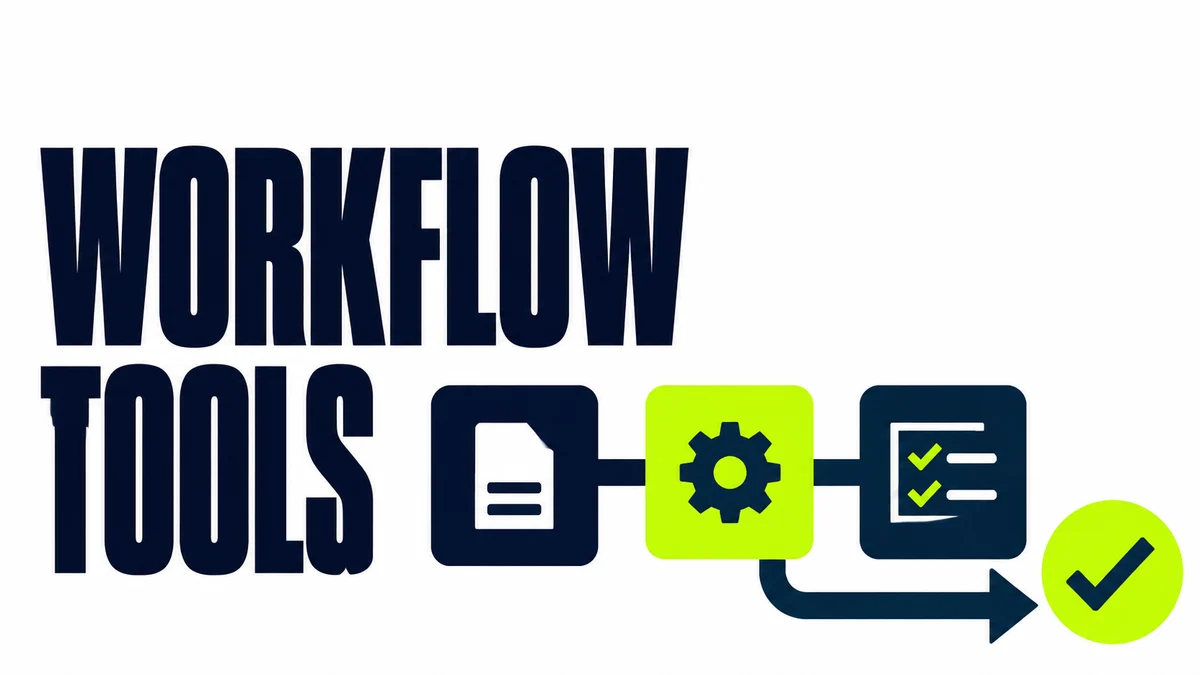
Concretely, this usually means a trigger (a form gets submitted, a deal closes, an order comes in), a series of actions that follow automatically (a record gets created, a document gets generated, a notification goes out), and a set of rules that decide what happens when something does not go as expected.

The part most competitors skip is the last one. A workflow that works perfectly with clean data and breaks silently the first time a field is empty or a system times out is not actually finished, it just has not failed in front of anyone yet.

Talk About Your Workflow

No-Code Platforms or Custom Development: Which One Fits

This is a real decision, not a sales pitch for one side, and the honest answer depends entirely on what you are actually connecting.

No-code platforms like n8n, Make, and Zapier are the right call when the tools involved are mainstream, the logic is reasonably simple, and speed matters more than deep customisation. They are fast to set up, easy for a non-technical person to adjust later, and inexpensive relative to a custom build.

Custom development is the right call when the process involves a system without a good off-the-shelf connector, when the logic branches in ways a visual builder struggles to represent cleanly, when the data is sensitive enough that self-hosting or full control over the code matters, or when the workflow needs to scale to a volume that per-execution pricing makes expensive.

Most Miami businesses that reach out already have a strong opinion about which one they want, usually based on something they read rather than what actually fits their stack. We will tell you honestly which approach suits your situation, including when a no-code tool is genuinely the better call, because getting a smaller job done well matters more than selling a bigger one.

Get Honest Guidance on Your Approach

What We Automate for Miami Businesses

Workflow automation earns its keep fastest on the processes that already involve moving the same information between two or more systems by hand.

The patterns we see most often in Miami:

  • Trade and customs documentation. A shipment's paperwork moving from an email inbox into a tracking system, then into an accounting entry, each step currently done by someone retyping the same details.
  • Bilingual lead routing. An enquiry arriving in Spanish over WhatsApp needs to land in the same system as one arriving in English through a web form, tagged and routed the same way regardless of channel or language, which is exactly what connects a CRM system to the channels feeding it.
  • Invoice and order sync. An order placed on one platform needing to appear in accounting, inventory, and a supplier or ERP system without anyone re-entering it three times.

Booking and appointment flows. Hospitality and service businesses moving a booking from intake through confirmation, reminder, and follow-up without a person touching each stage.

Discuss Your Miami Workflow

How a Workflow Automation Project Works

Mapping. We watch the process as it actually runs today, not as anyone describes it from memory. Most workflows have exceptions nobody mentions until you watch someone handle one.

Tool selection. We pick the platform, no-code or custom, based on what the mapping revealed, not on a preference either of us walked in with.

Build. The workflow gets built and connected to the real systems involved, not a sandbox version of them.

Testing against real data. Including the edge cases, the empty fields, the unexpected formats, the moments a connected system is briefly unavailable. This is the stage most rushed projects skip.

Monitoring after launch. A workflow that runs quietly and correctly for months needs someone watching for the day a connected system changes its API without warning, because that day eventually comes.

Start Mapping Your Workflow

n8n, Make, Zapier, or Custom Code

Since this comes up on almost every project, here is the honest breakdown of the tools themselves.

n8n is open-source and self-hostable, which matters for businesses that want full control over where their data sits, and it supports genuinely complex branching logic that simpler tools cannot represent. It requires more technical setup than Zapier.

Make and Zapier are faster to get running and easier for a non-technical team member to adjust afterward, with the largest libraries of pre-built app connections. They are the right call for straightforward, high-trust connections between mainstream tools.

Custom code is the right call once a workflow needs to talk to a system with no existing connector, needs logic too complex for a visual builder to express cleanly, or needs to run at a volume where per-execution platform pricing gets expensive.

Most Miami businesses we work with end up on a mix, no-code tools for the simple, high-frequency connections, and custom code for the parts specific to how the business actually runs.

Ask Which Tool Fits Your Stack

Case Study: Automating a Manual Onboarding Process

RATP Dev SAPTCO Capital Metro Company operates the Riyadh Metro. Before automation, every new worker and contractor had to complete safety induction through a paper process, run in two languages, that consumed a large amount of HR staff time for every single person onboarded.

GO-Globe rebuilt the process as a connected workflow. A worker's enrollment automatically generates their assessment from the underlying training content, issues them a secure PIN, tracks their progress as they move through it, and issues a certificate the moment they pass, with no manual step anywhere in that chain.

HR time spent administering induction fell by 70 percent, not because anyone worked faster, but because most of the steps stopped needing a person at all.

This is workflow automation at the level this page is about, not the decision to automate onboarding, which was made separately, but the actual mechanics of turning a multi-step manual process into one that runs itself.

Discuss a Similar Workflow

Integrating Your Existing Systems

A workflow is only as useful as what it connects to. We build workflow automation that plugs directly into the systems you already run:

  • ERP systems, so purchase orders, inventory, and financial records stay synchronized without manual re-entry
  • CRM software, so leads and customer activity flow in from every channel automatically
  • Client and supplier portals, so activity inside those systems triggers the right next step elsewhere

Accounting, payment, and communication tools you already rely on

Ask About Integrating Your Systems

What Workflow Automation Costs in Miami

GO-Globe does not publish fixed prices, since scope changes the number completely. What actually moves it is worth knowing upfront.

What drives workflow automation cost:

  • Whether the build uses a no-code platform, custom code, or a mix of both
  • How many systems need connecting, and whether they have usable APIs
  • How complex the branching logic is
  • Transaction volume the workflow needs to handle
  • How much testing and edge-case handling the process genuinely needs
  • Ongoing monitoring and support after launch

What to ask before signing anything:

  • Is the price fixed or hourly, and what is explicitly excluded?
  • Who owns the workflow and any code once it is live, especially if it runs on a no-code platform under someone else's account?
  • What happens when a connected system changes its API?
  • What does ongoing monitoring and support cost?

Will they tell you honestly if a simpler, cheaper tool would do the job?

Get a Workflow Automation Estimate

Why Miami Businesses Work With GO-Globe

Twenty years building business systems. Founded in 2005, more than 800 projects delivered.

We work across the full range. No-code platforms including n8n, Make, and Zapier, and fully custom development, chosen based on what the job actually needs.

Enterprise experience. Systems delivered for organisations including Shell, Nestlé, LG, and Dubai Municipality.

A named stack. Laravel, Node.js, React, Next.js, Vue.js, PostgreSQL, and MySQL for custom builds. You always know what your systems run on.

We connect what you already have. Your ERP, your CRM, your portals, your existing tools, rather than asking you to replace them.

Talk to us. Call +1 571 208 8604 or book a strategy session. If you have not yet decided which process to automate first, start with our business automation in Miami page instead.

Discuss Your Workflow Automation Project

Frequently Asked Questions

Wondering what you’ll get, how we deliver, and what results to expect? This FAQ covers our process, tech stack, compliance approach, and post-launch support. GO-Globe helps unify systems into one intelligent hub — so employees, customers, and partners get what they need instantly.

Workflow automation is the mechanical work of connecting business systems and automating steps that currently require a person to move information manually. A trigger starts it, a series of actions follow automatically, and rules handle what happens when something does not go as expected.

Business automation covers the decisions before the build, which process to automate first and whether it is worth the investment. Workflow automation covers the mechanics of the build itself, connecting systems and automating steps once that decision has already been made. GO-Globe covers both, on separate pages, because they are genuinely different pieces of work.

No-code platforms like Zapier and Make are faster to set up and easier to adjust for straightforward connections between mainstream tools. n8n adds self-hosting and more complex logic at the cost of more technical setup. Custom code is the right call once a workflow needs a system without a good connector, needs branching logic too complex for a visual builder, or needs to run at a volume where per-execution pricing gets expensive.

Cost depends on whether the build uses a no-code platform, custom code, or a mix, how many systems need connecting, how complex the logic is, transaction volume, and how much edge-case testing the process needs. GO-Globe quotes after mapping the process, once the scope is clear.

Yes. We build workflow automation that connects directly to ERP systems, CRM software, client and supplier portals, and the accounting and communication tools a business already runs, so information moves between them without manual re-entry.

Yes. A common pattern in Miami is routing enquiries that arrive in different languages and through different channels, WhatsApp, web forms, phone, into the same system with the same tagging and follow-up, regardless of which channel or language they came through.

It depends on the number of systems involved and the complexity of the logic. A straightforward no-code integration between two mainstream tools can go live in days. A custom workflow connecting several systems with real branching logic typically takes several weeks, including the testing stage against real data.

This is why ongoing monitoring matters. A workflow with nobody watching it can fail silently for weeks before anyone notices. We build monitoring into every workflow we deliver, and support plans cover fixing a broken connection when a third-party system changes its API without warning.

Get a Quick Call Back


    © 2005 - 2026 GO-Globe™ Driven by Your Success. Since 2005. All rights reserved.
    This site is protected by reCAPTCHA and the Google. Privacy Policy