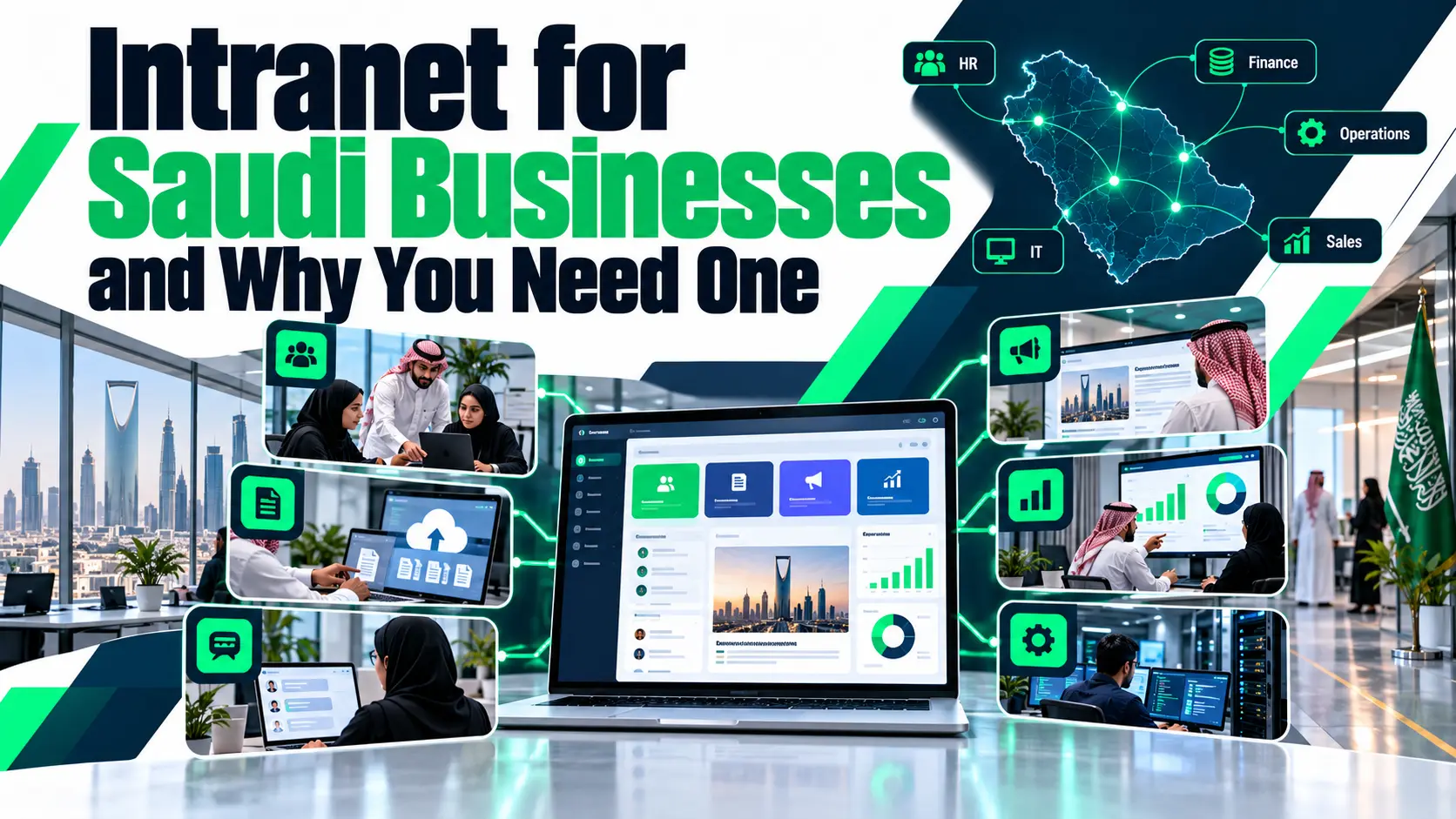
An intranet is a private website for staff. It keeps documents, news, forms, and approvals behind one login. Saudi businesses get the most from one with Arabic support, Nafath login, and PDPL-ready security. GO-Globe builds custom intranets and employee portals.
Files sit buried in email threads. Policies hide in shared drives. New hires ask the same questions every week. An intranet fixes this by putting staff, documents, and requests in one private place. This guide explains what an intranet is and what Saudi companies gain.

Contents
- 1 What Is an Intranet and How Does It Work?
- 2 Why Do Saudi Businesses Need an Intranet?
- 3 Which Intranet Features Matter Most in Saudi Arabia?
- 4 How Does GO-Globe Build a Custom Intranet and Employee Portal?
- 5 How Long Does an Intranet Project Take?
- 6 Ready to Connect Your Staff and Documents in One Portal?
- 7 Frequently Asked Questions
What Is an Intranet and How Does It Work?
An intranet is a private website that only employees of one company can open. Staff log in daily to read news, find documents, and send requests. Outsiders never see its content. An intranet is one type of business portal that connects people with company information.
Most intranets hold 5 core items. These include company news, a staff directory, shared documents, HR forms, and approval workflows. A manager posts an update once, and every employee sees it at the same time. Nobody digs through old emails for the latest policy again.
How Is an Intranet Different From an Employee Portal?
An employee portal focuses on personal services like leave requests, payslips, and attendance. An intranet is broader and serves all teams. It adds company news, knowledge sharing, and team collaboration. Many companies combine both, so staff get daily tasks and company information behind one login.
How Is an Intranet Different From an Extranet?
An extranet gives outside groups controlled access. Customers, suppliers, and partners each get their own portal. An intranet stays internal. Both systems can run on one platform with separate user logins. A supplier portal, for example, lets vendors confirm purchase orders and post shipping updates.
Why Do Saudi Businesses Need an Intranet?
An intranet solves 3 problems for Saudi businesses. The problems are scattered documents, slow approvals, and uneven Arabic access. Companies in Riyadh often weigh intranet options before they commit to a build. Each problem shows up fast as teams add new staff, branches, and departments.
One Place for Staff and Documents
Employees lose time asking their colleagues where a file lives. An intranet stores policies, contracts, and forms in one shared library. Role-based permissions protect every single file. Finance sees finance files. HR sees HR files. Everyone else sees only what their role allows, nothing more.
Arabic Support for Every Employee
Real Arabic support means a native right-to-left interface, not a translated English layout. Saudi teams often mix Arabic and English speakers. A bilingual intranet serves both groups equally. GO-Globe designs the Arabic interface first. Menus, forms, and phrasing then feel natural from the first login.
Faster Approvals and Fewer Emails
Approvals move through set workflows instead of inbox chains. An employee submits a leave request, and the manager approves it online. HR sees the record at once. Managers also track team attendance and performance from one central dashboard. Fewer questions bounce between email and chat.
Which Intranet Features Matter Most in Saudi Arabia?
Three features matter most for an intranet in Saudi Arabia. They are Nafath login, role-based access, and PDPL-ready data handling. Vision 2030's National Digital Transformation Program sets benchmarks for mobile access and Arabic support. A solid intranet build covers all of them from day one.
Nafath Login and Role-Based Access
Nafath is Saudi Arabia's national single sign-on service. Employees verify once, then reach every connected tool. Authorization rules then limit each person to the right data. A supplier, an employee, and an administrator each see a different slice of the platform. Role decides each view.
PDPL Compliance and Data Residency
The Personal Data Protection Law (PDPL) governs how Saudi organizations handle personal data. SDAIA enforces it. The law expects documented security measures, consent handling, and audit trails. Payslips and bank details are personal data. Encryption protects them in transit and at rest, inside the intranet.
How Does GO-Globe Build a Custom Intranet and Employee Portal?
GO-Globe builds custom intranets and employee portals for Saudi organizations. The company has delivered web projects since 2005. Every build starts with process mapping. The team documents current workflows and finds pain points. Then the team designs the portal around how your company actually works.
What Does the Employee Portal Include?
The employee portal includes 6 core modules. Modules cover self-service, leave and attendance, and performance management. A communication hub, manager tools, and HR administration complete the set. Staff update profiles and view payslips. Managers approve requests. HR automates onboarding and keeps secure digital audit trails.
How Does the Intranet Connect to Existing Systems?
Integration links the portal to HR, payroll, accounting, ERP, and attendance systems. That removes duplicate data entry and improves accuracy. A dedicated system integration service connects tools never built to talk to each other. The portal then becomes the single access point for every employee.
How Does AI Change the Intranet Experience?
An AI portal goes beyond a basic intranet. It reads each user's role and personalizes the dashboard for staff. It also automates routine requests like approvals, record lookups, and status checks. Read how AI is personalizing employee portals to see where this shift is heading.
How Long Does an Intranet Project Take?
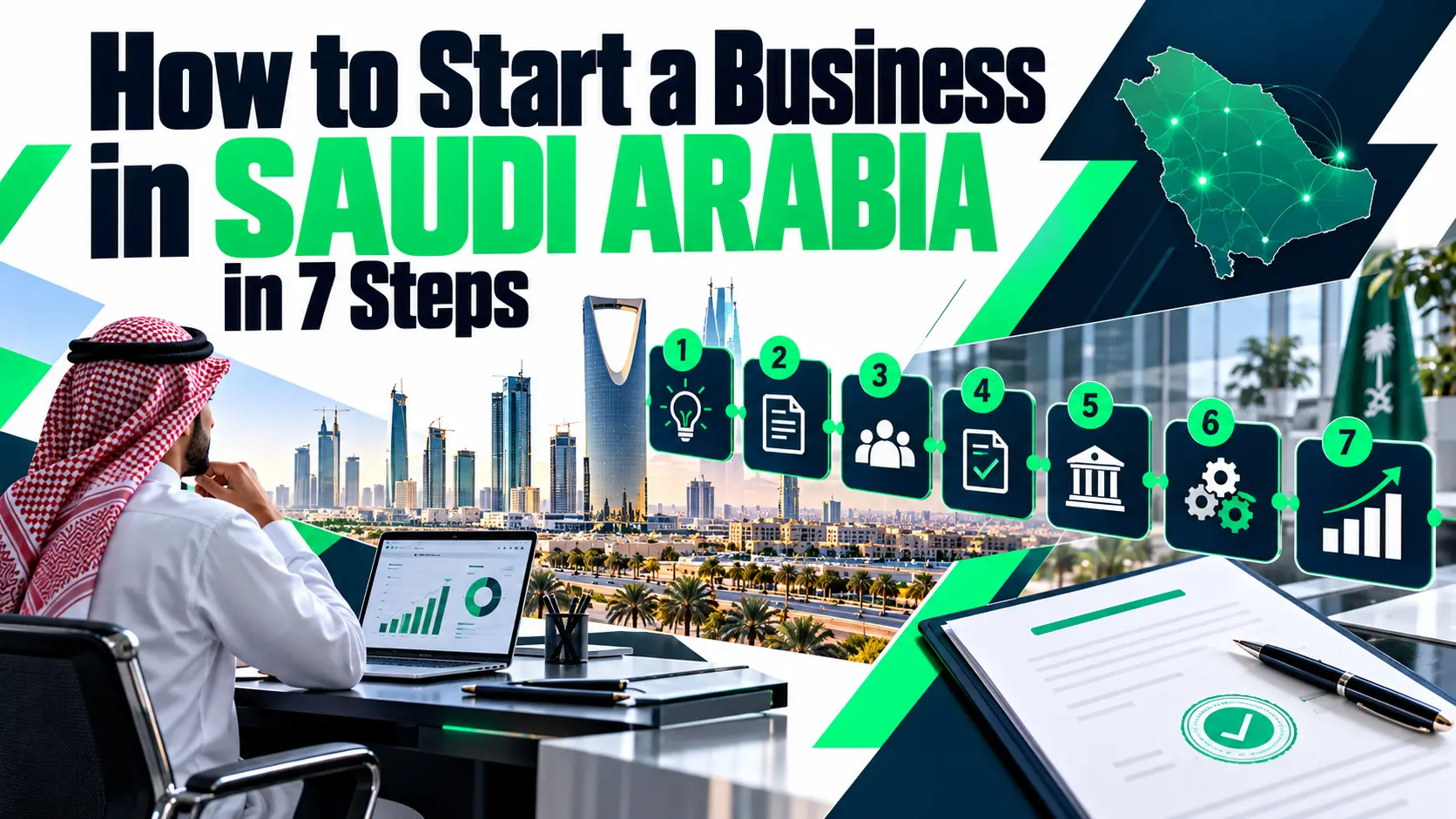
An intranet launch follows 7 steps. They are sharing your needs, design, setup, testing, team training, go-live, and ongoing support. Basic portals can be ready in just a few weeks. Complex systems with many integrations take longer, and GO-Globe gives a clear timeline up front.
A custom-built intranet belongs to your business, including the platform, data, and functionality. You avoid a third-party subscription. Cost depends on employee count, integrations, workflows, and custom features. GO-Globe scopes each project after a discovery session. Small teams and large enterprises have very different requirements.
Ready to Connect Your Staff and Documents in One Portal?
GO-Globe builds a custom intranet and employee portal for Saudi teams. The build includes Arabic support, Nafath login, and PDPL-ready security in one platform. Book a consultation through the AI business portal service in Riyadh. The team maps your workflows and shares a clear roadmap.
Frequently Asked Questions
What is an intranet in simple words?
An intranet is a private company website that only staff can open with a login. Employees use it daily to read news, find documents, submit requests, and message colleagues. The intranet acts as the internal home page for the whole organization. Staff log in anytime.
Is an intranet the same as an employee portal?
No, An employee portal focuses on HR services such as leave requests, payslips, and attendance. An intranet is broader and adds company news, team collaboration tools, and knowledge sharing. Many businesses build one platform that covers both. Staff then use a single login for everything.
Can an intranet support Arabic and English together?
Yes, A bilingual intranet serves Arabic and English speakers on one shared platform. Arabic needs a proper right-to-left layout, not just a translated English page. GO-Globe builds the Arabic interface first. Menus, forms, and phrasing feel native to Saudi staff right from the very start.
How much does an intranet cost?
Intranet cost depends on 4 factors: employee count, integrations, workflows, and custom features. A small company needs less than an enterprise with many departments. GO-Globe reviews your needs first, then shares a clear scope. Budget options exist for smaller teams that want a simpler build.
Can employees use an intranet on mobile?
Yes, Modern employee portals work on any device. Staff submit requests, read updates, and check approvals from a phone. Remote and hybrid teams reach documents, schedules, and communication tools from anywhere. The same login works in the office, at home, or on a site visit.
Does my company own a custom intranet?
Yes, A custom-built intranet belongs to your business, including the platform, data, and functionality. That ownership covers every user record and every workflow. You do not depend on a third-party subscription. GO-Globe also provides setup, training, technical support, regular updates, and ongoing maintenance after launch.