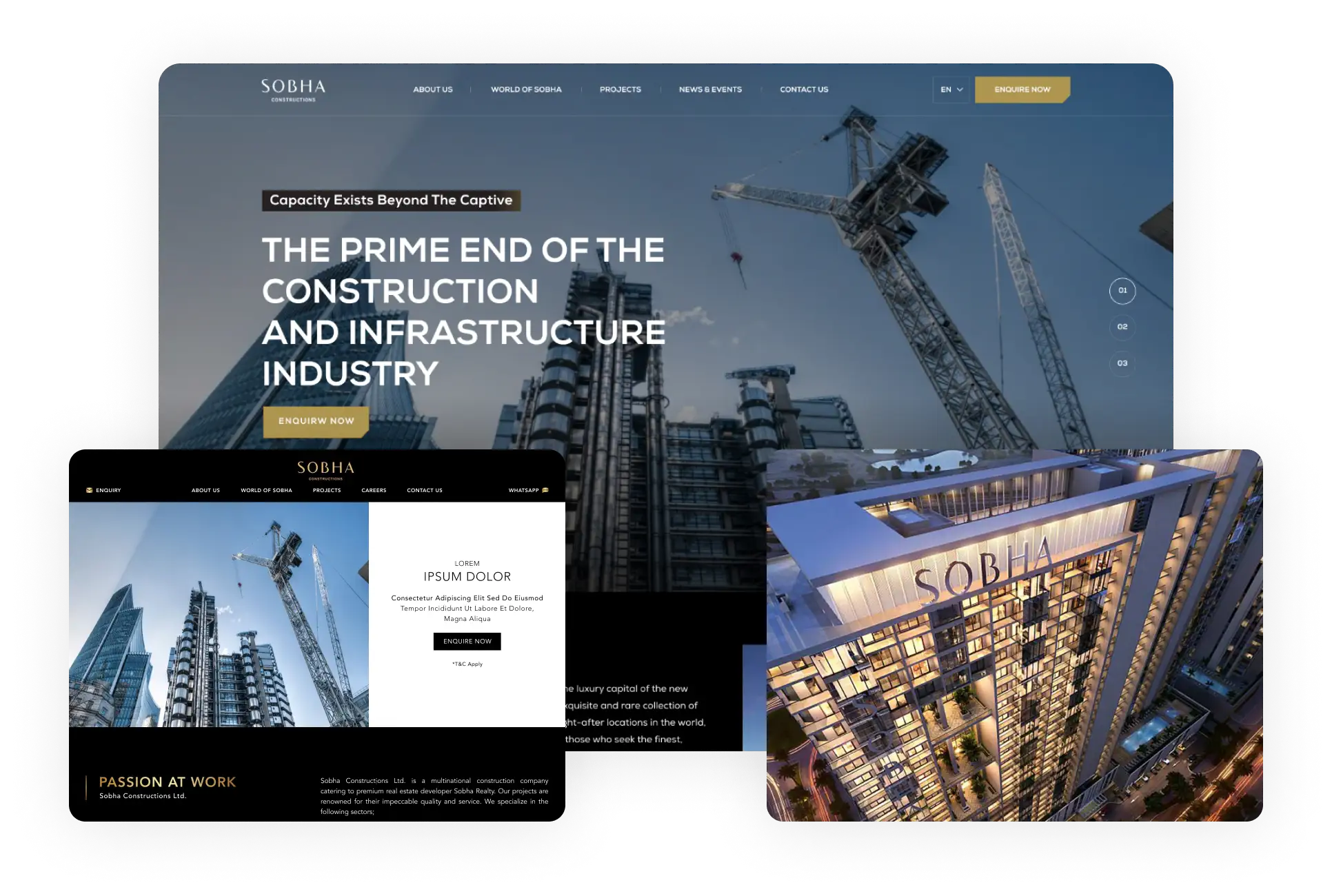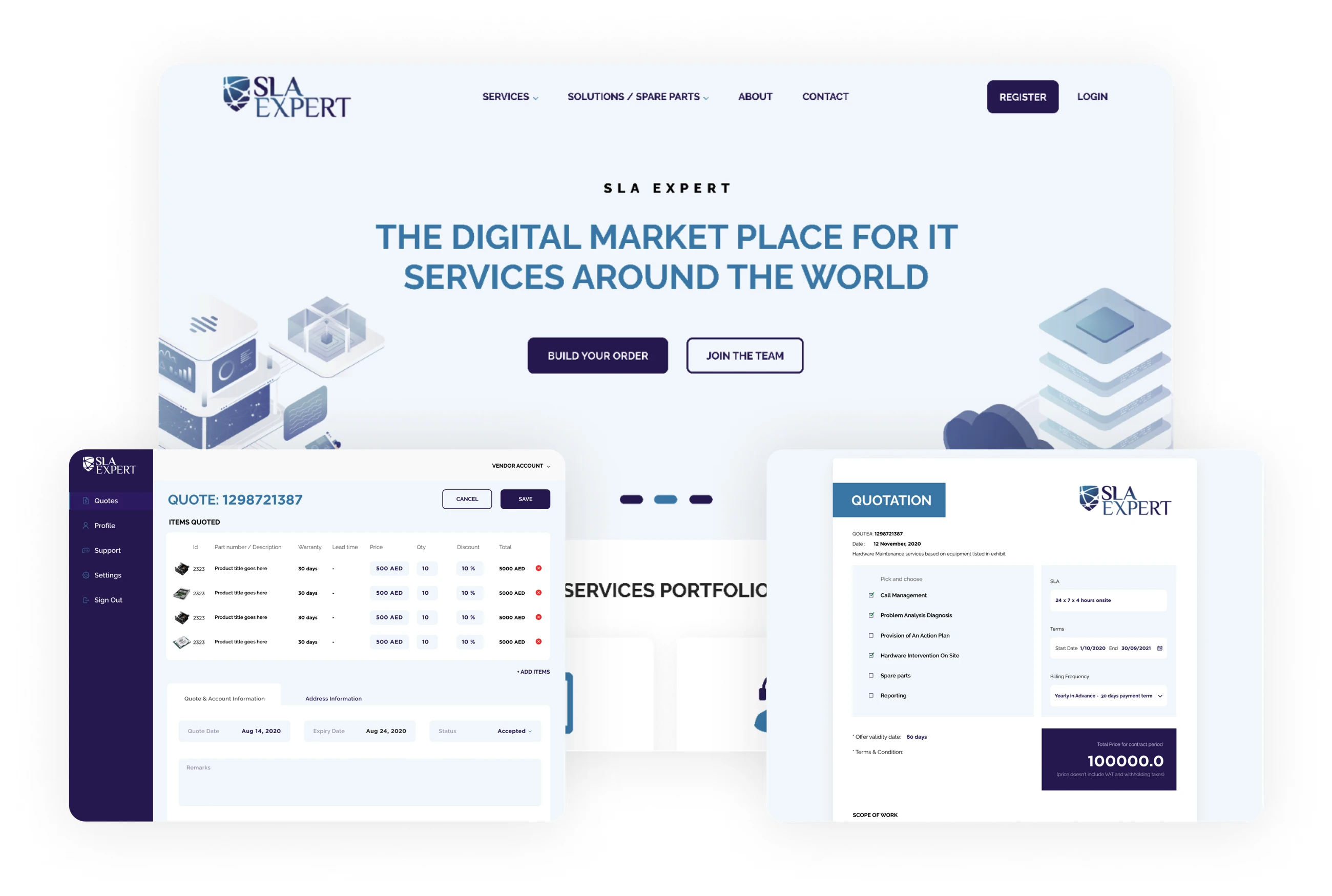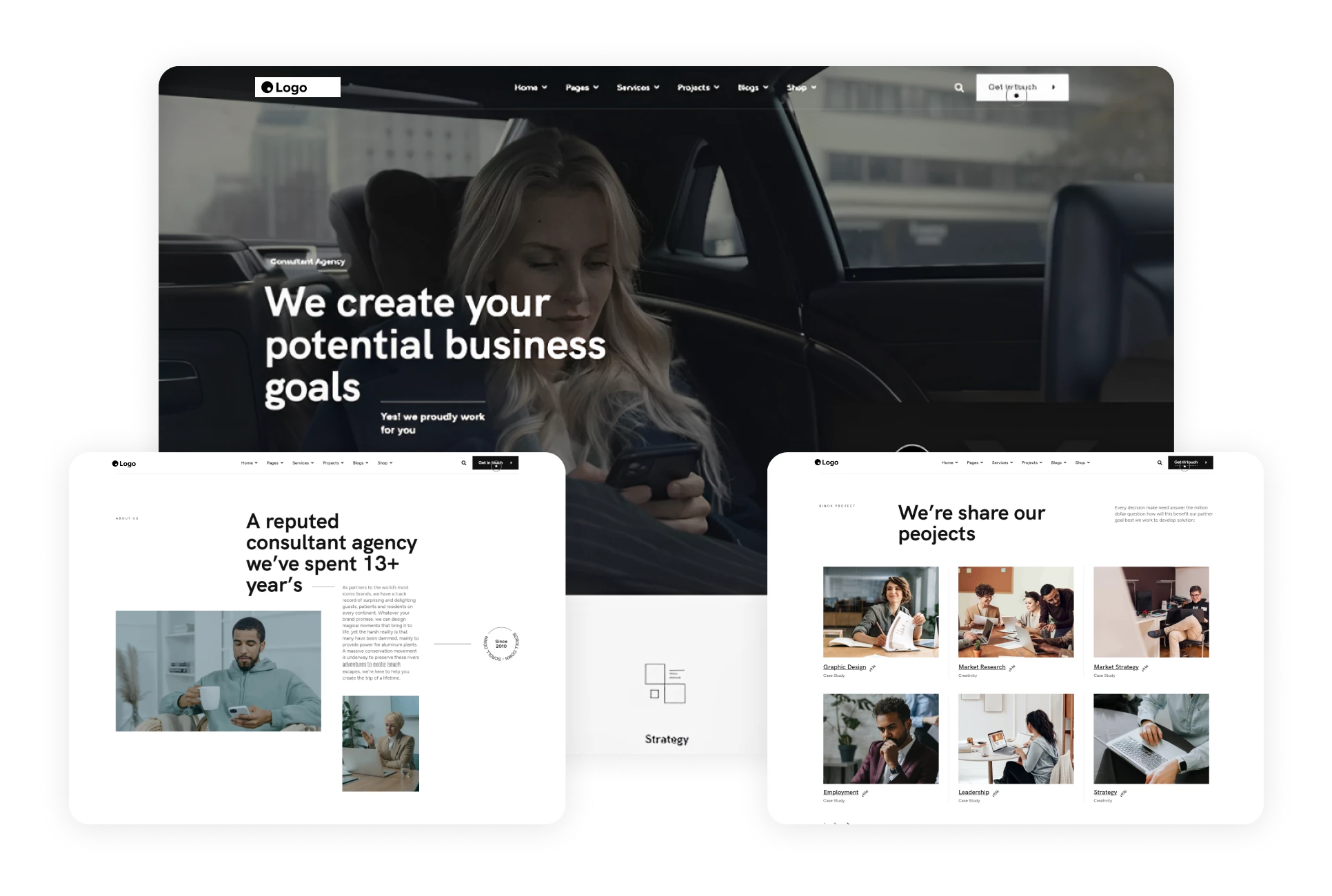



































First impressions matter
Your website or app is often the first interaction a customer has with your brand. A poorly designed interface creates a negative first impression, and visitors abandon a confusing site before they even understand what you offer. A seamless, visually appealing design builds trust from the moment someone lands on your page.
Good design keeps people engaged
When your design is intuitive, users find what they need. They complete the action you want, whether that is making a purchase or booking a service. That ease leads to longer sessions, repeat visits, and stronger customer retention.
Better design lifts conversions
A well designed UI/UX removes friction from the user journey. It guides people toward the actions that matter most to your business, whether that is a purchase, a form submission, or a subscription.
Design builds brand credibility
A site that is hard to navigate signals an unprofessional or unreliable business. A smooth, cohesive design tells users your business is trustworthy and values their time.
Design is a real competitive edge in Miami
Miami is a dynamic, competitive market, and businesses that skip UI/UX investment fall behind. In hospitality, real estate, or tech, a genuinely good user experience can separate you from the next business in the search results.


Effective UI/UX design is not just about beautiful interfaces. It is about building seamless, intuitive experiences that drive results. Our approach combines user centered principles with data driven insight, tailored for Miami businesses.
Great design starts with understanding both your business goals and your users' needs. We begin every project working closely with you to understand your brand, objectives, and target audience, through real user research and persona development.
Aesthetics matter, but usability is our top priority. We build clean, straightforward designs that remove complexity and streamline the user journey, so people find what they need without frustration.
Great design is an iterative process. After gathering insights, we build prototypes and wireframes that give you a tangible sense of the final product. Then we test and refine based on real user feedback.
With mobile usage continuing to climb, a responsive, mobile first design is essential. We build for every screen size, from smartphones to desktops, so the experience stays seamless no matter how someone reaches your site. This approach not only improves usability. It also supports stronger search engine rankings, given that mobile traffic now makes up well over 60 percent of all web visits.
Before finalizing any design, we run real user testing to confirm the interface is intuitive and meets your audience's needs. That feedback surfaces pain points early, so the final product is both functional and genuinely engaging.
Choosing the right UI/UX design partner shapes how successful your digital products become. Here is what working with GO-Globe actually gets you.
As a team with deep Miami market experience, we understand what works for local consumers and how to tailor your digital presence to resonate here. We bring a global perspective alongside that local insight, so your design competes locally and internationally.
Every business is unique, so we build customized UI/UX solutions rather than a one size fits all template. Whether you run a small startup or a large enterprise, we tailor the design to your specific needs, goals, and brand identity.
With over 20 years of experience and more than 700 completed projects across industries, our portfolio spans startups, tech companies, and large corporations. Each client has benefited from a user centered approach. The result is stronger engagement, higher conversions, and a more credible brand.
Unlike agencies that hand off design and walk away, we manage the full process. Research, wireframing, design, development, and post launch support all stay under one roof. Our design and development teams work together closely, so the final product is unified, not stitched together from separate handoffs.
Every design decision we make ties back to one goal: delivering tangible results for your business. We measure our own performance by how well our designs help you hit your actual objectives. A portfolio piece winning an award means little if it does not move your numbers.
You get a dedicated project manager who keeps you updated and listens to feedback. That person makes sure your vision actually lands in the final product. This collaborative approach keeps the whole process smooth and aligned with your goals.


A seamless user experience keeps people engaged and satisfied. Our approach to UX focuses on making your website or app intuitive, efficient, and genuinely enjoyable to use.
The key to seamless UX is understanding your actual users. We run in depth research, surveys, interviews, and analytics review, to identify needs, behaviors, and pain points before a single screen gets designed.
A complicated layout frustrates users and pushes them off your site. Our designs prioritize simplicity and clarity: clear calls to action, well structured menus, and minimal clutter, so people find what they need fast.
A smooth experience is also a fast one. Slow loading pages or unresponsive interfaces drive users away regardless of how good the visual design looks. We optimize for speed across every device, even under heavy traffic.
Consistency is what makes an interface feel trustworthy. From clicking buttons to filling out forms, we use consistent color schemes, typography, and interactive elements so every interaction feels predictable and easy to follow.
With more users on phones than ever, mobile optimization is not optional. We build mobile first and responsive, so your design looks and performs well on smartphones, tablets, and desktops alike.
A seamless experience does not stop at launch. We gather feedback through testing, surveys, and analytics, then make data driven adjustments that keep improving the experience as real usage patterns emerge.
In Miami's fast paced, mobile first environment, responsive design is no longer optional. It is essential. A responsive design adapts seamlessly to any screen size, from smartphones to desktop computers, and that adaptability keeps you competitive.
Miami's diverse, tech savvy population browses and shops heavily on mobile devices, often more than on desktop. A responsive design makes it easy for these users to browse, shop, or interact with your business without friction. That holds true whether they are on the go, at home, or in a café.
Google and other search engines favor mobile friendly websites in their rankings. A responsive design improves your SEO. That can lift you higher in local search results, exactly where Miami customers are looking when they search for services nearby.
Responsive design delivers a consistent, high quality experience no matter the device. Nobody pinches or zooms on a phone screen, and navigation feels just as intuitive on a smartphone as it does on a desktop. That consistency builds trust and lifts both engagement and conversions.
Building separate websites for mobile and desktop costs more time and money than most businesses realize. One responsive site adapts automatically to any screen size, which cuts maintenance costs and keeps every update consistent across devices.
New devices and screen sizes keep appearing. A responsive design adapts to whatever comes next. That might be the latest smartphone, a new tablet format, or wearable tech. Your business stays ahead instead of scrambling to catch up.


Designing a memorable, effective user experience takes a partner who understands both design and business. Here is why Miami businesses choose GO-Globe.
We understand this city's specific business dynamics and what resonates with local consumers. We tailor your digital presence accordingly. We also bring a global perspective that helps your design hold up on a wider stage.
Every design decision ties back to a measurable goal: more conversions, stronger engagement, sharper brand perception. We prioritize user centered design and performance, since that combination is what actually moves the numbers that matter.
Over 20 years of UI/UX experience and more than 700 completed projects back what we deliver. Clients across Miami, from early stage startups to large enterprises, return to us because the work consistently holds up.
Different industries put different pressure on a design. A hotel booking flow and a law firm's intake form solve completely different problems. We shape every project around the sector behind it.
Booking flows, room availability, and visual storytelling matter most here. We design hospitality interfaces that make booking feel effortless, with imagery and layout that sell the experience before a guest ever checks in.
Property listings live or die on how easy they are to browse. We design search and filter experiences, virtual tour integration, and lead capture forms that keep a potential buyer moving forward instead of bouncing to the next listing site.
Patients need clarity, not confusion, when booking an appointment or finding information. We design healthcare interfaces with accessibility and trust front of mind, since a confusing patient portal does real harm to both outcomes and reputation.
Every extra click in a checkout flow costs you sales. We design product pages, cart flows, and checkout experiences built to remove friction at the exact moments where Miami shoppers are most likely to abandon a purchase.


Design work should be judged by what it actually produces, not just how it looks in a portfolio. Here is what that has looked like for real Miami clients.
A Miami hospitality client came to us with a booking system that confused first time visitors and drove a high share of abandoned reservations. We rebuilt the flow around fewer steps, clearer pricing, and a mobile first layout. Bookings completed without staff assistance rose noticeably, and the client's own support team reported a meaningful drop in booking related calls.
A Miami retail client's checkout flow buried the total cost until the final step, a common source of cart abandonment. We redesigned the flow with upfront pricing, fewer form fields, and a simplified mobile checkout. Completed purchases improved, and the client specifically credited the redesign with reducing how often customers abandoned a cart mid checkout.
A healthcare client's appointment booking tool required patients to call in for anything beyond a basic visit. We designed a self service scheduling interface with clear language and accessible design throughout. Patient reported satisfaction with the booking experience improved, and front desk staff fielded far fewer routine scheduling calls.
Every business wants a straight answer on cost and timeline before committing to a design project. Here is what realistically shapes both.
Pricing depends on the number of screens, the complexity of user flows, and whether the project includes user research and testing. A focused redesign of a few key screens costs far less than a full product built from a blank page.
Most full design projects, from discovery through final handoff, run 8 to 16 weeks. A focused redesign of a single flow, like checkout or booking, often moves faster. A full product built from scratch, with extensive user testing, sits toward the longer end of that range.


Accessibility is not an optional add on. It is a real legal exposure for any Miami business with a public facing website. 94.8 percent of websites fail basic accessibility standards. Federal accessibility lawsuits hit 3,117 cases in 2025, a 27 percent jump from the year before. Florida is consistently one of the highest volume states for this kind of litigation, which makes it a real local risk, not a distant one.
Ecommerce sites face the steepest exposure. Roughly 70 percent of all digital accessibility lawsuits target online retailers, with food service and healthcare also frequently named. We build with WCAG 2.1 AA guidelines in mind from the start. Proper color contrast. Keyboard navigable interfaces. Screen reader compatible structure. That approach protects you legally while also genuinely opening your product to more users.
Accessibility overlay widgets, the kind that promise a quick fix with a single script tag, have not held up well in court. Lawsuits against businesses already using these tools kept rising through 2025. Real accessibility comes from how a product is actually built, not from a bolted on tool layered over an inaccessible foundation.


Good tools do not replace good design judgment, but they make the process faster and more transparent. Here is what that looks like on a typical project.
You get access to the actual working files, not just final exported images. That means your team, or any future partner, can pick up the design system and keep building without starting from zero.
We follow a structured, user centered approach so every project lands with precision, creativity, and efficiency. Here is what that process actually looks like.
Every project starts with understanding your business and your users. We gather insight into your goals, target audience, and key challenges through user research, competitive analysis, and market trends.
With research in hand, we build a design strategy covering scope, timelines, and key deliverables. We define the app or website's objectives and plan the user journey together, so everyone starts aligned on the same goals.
Wireframes outline the layout and structure of your product. Prototypes simulate the actual user experience and interaction. Together, they let you see the flow before design and development begin in earnest.
Once wireframes and prototypes are approved, our design team builds the final interface, crafted to align with your brand identity. We run user testing throughout this phase, gathering feedback and making iterative improvements as we go.
After the design is finalized, our developers bring it to life. We follow front end and back end best practices so the interface stays responsive, fast, and fully functional across every device and platform.
Before anything goes live, we run rigorous testing: functionality checks, performance optimization, and cross browser and device compatibility. Once everything checks out, we launch and monitor performance closely for a smooth release.
Our work does not end at launch. We monitor user feedback and performance metrics. Then we make data driven optimizations that keep improving the experience and keep your product current as your business grows.

Timeline depends on complexity. A full design project, from initial discovery to final launch, typically takes 8 to 16 weeks. We provide a detailed timeline based on your specific needs and project scope.
UI design covers the visual aspects of a website or app: colors, buttons, and typography. UX design focuses on the overall experience a user has, making sure it stays intuitive, accessible, and enjoyable. We prioritize both together to deliver a cohesive, engaging product.
Not at all. We work with clients at every stage. If you have an existing design or brand guidelines, we incorporate them. If not, our team collaborates with you to understand your goals and preferences, then builds a design that aligns with your business and vision.
Yes. We specialize in redesigning websites and apps to improve user experience, performance, and visual appeal. Whether your existing design is outdated, hard to navigate, or simply not converting, we work with you to bring it up to current standards.
Absolutely. Mobile first and responsive design sit at the core of our process. Your digital product looks and functions well across smartphones, tablets, and desktops, giving every user a seamless experience regardless of device.
Cost depends on project complexity, the number of screens or pages, and any additional features needed. We offer competitive pricing tailored to your needs, with transparent, detailed estimates upfront.
Yes. We offer end to end services including development. Once the design is finalized, our development team brings it to life across all platforms. If you already have a development team, we can hand off design files and collaborate directly with them.
We track the success of our designs through user testing and performance analytics. After launch, we monitor user behavior, gather feedback, and optimize the design based on real-world data. We also provide ongoing support to ensure that your design continues to meet your business goals and user needs.