

































Dallas-Fort Worth now ranks as the fourth-largest startup ecosystem in the United States, and Dallas-based startups raised roughly $1.6 billion in 2025. A market producing that much new company formation needs mobile apps to match it, not a generic template pulled from an app factory.
GO-Globe builds custom native and cross-platform mobile apps for Dallas businesses, from early-stage startups to established enterprises. We have delivered more than 800 projects for clients across over 25 countries since 2005.

A mobile app is not a smaller website. It has to work with no signal in a warehouse, sync instantly once connection returns, and feel native to whichever device it's running on. That takes real platform-specific engineering, not a web page wrapped in an app icon.
GO-Globe builds apps around what your business actually needs the app to do, whether that's customer-facing commerce, field service coordination, or an internal tool your own team uses every day. The build decision, native, cross-platform, or progressive web app, is made based on your performance requirements, budget and timeline, not a default answer given to every client.
Native iOS and Android Development. Built specifically for each platform using Swift for iOS and Kotlin for Android, giving you full access to device hardware, the best possible performance, and the platform-specific feel users expect.
Cross-Platform Development. Built in Flutter or React Native from a single codebase, so your app launches on iOS and Android together without doubling the development cost. The right call for most business apps that don't need the absolute performance ceiling of fully native code.
Progressive Web Apps. Browser-based apps that install like an app but need no App Store or Google Play approval, a fast route to market for businesses that want mobile presence without the platform review cycle.
Mobile Backend Development. Every app is only as good as what powers it behind the scenes. We build backends in Node.js or Python, hosted on AWS or Firebase, handling real-time data, secure logins and third-party connections without buckling under real traffic. If the app needs to feed leads or customer activity into a sales pipeline, we connect it directly to CRM software built the same way, instead of leaving that connection for later.
App Store Optimization. A finished app that nobody can find in the App Store or Google Play is a finished app that doesn't grow. We handle store listing optimization alongside the build, not as an afterthought once the app is already live.


An app for a logistics dispatcher and an app for a retail shopper solve completely different problems. Here's how that plays out across what's actually in Dallas.
Logistics and Delivery Tracking. Dallas-Fort Worth carries real weight in freight and transportation, with carriers and logistics operators including Union Pacific, Stevens Transport and MV Transportation maintaining a major presence in the metro. A logistics app here needs to work reliably in a moving vehicle with patchy signal, syncing delivery status, routes and proof-of-delivery photos the moment connection returns.
Retail and Ecommerce. Dallas carries genuine retail weight, home to national retail and ecommerce brands and a venture capital scene that specifically targets the city's retail heritage. A retail app here connects purchase history, loyalty and push notifications into one experience, so a customer's fifth order feels like the business remembers them.
Field Service and B2B Operations. Dallas's large corporate and enterprise base, eleven Fortune 500 headquarters in the city itself, supports a genuine layer of B2B vendors and service providers whose teams work on-site, not at a desk. A field service app here handles scheduling, job status and customer sign-off from a phone, without a technician needing to call the office to check what's next.
Financial Services Apps. Dallas's financial footprint, Goldman Sachs' Dallas regional campus among it, supports real demand for secure, compliant mobile apps handling account access, transaction alerts and document upload, built to the security standard the sector actually requires, not bolted on after launch.
| Stage | What happens |
|---|---|
| 1. Discovery | We map what the app actually needs to do, your users, your budget and your timeline, before choosing a technical approach |
| 2. Design | UI and UX designed for touch, for the platform's own conventions, and for how someone actually uses a phone, not a shrunk-down desktop screen |
| 3. Development | Built in Agile sprints, with working builds delivered for testing at each stage, so you see and approve real functionality throughout, not only at the end |
| 4. Testing and launch | Tested across real devices before submission, then submitted to the App Store and Google Play with GO-Globe managing the review process |
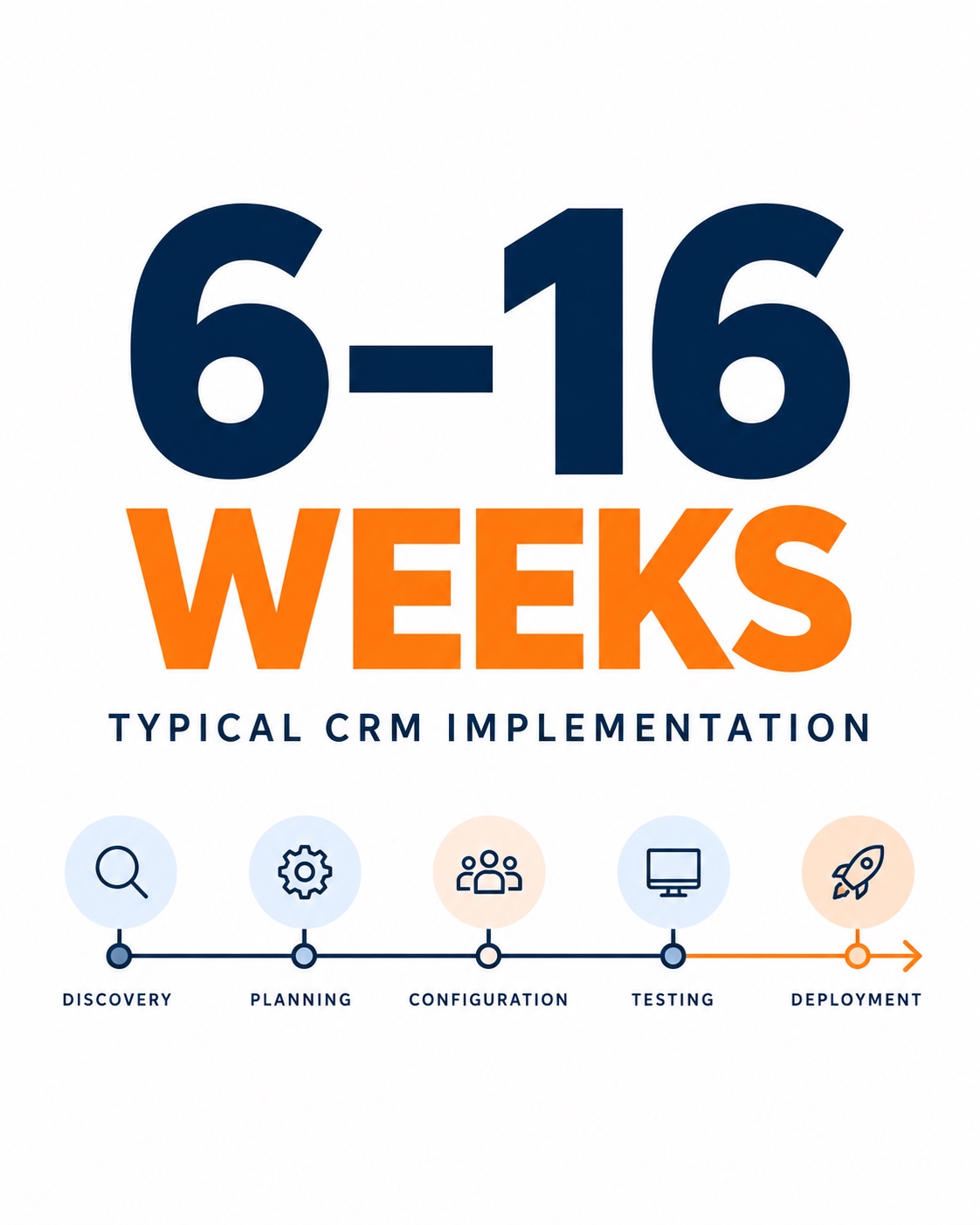
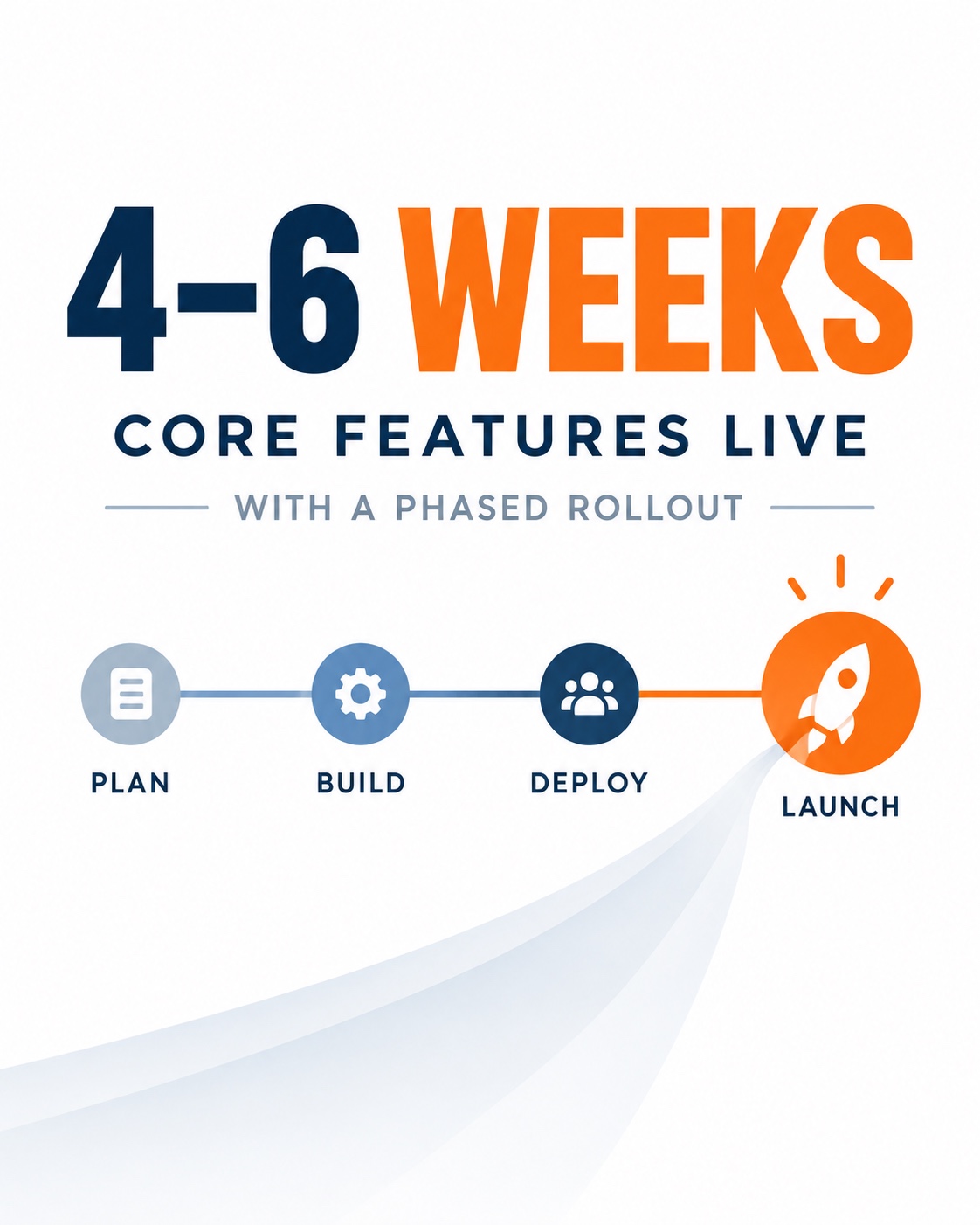
A focused app with core functionality typically takes eight to fourteen weeks. Cross-platform apps with custom functionality, third-party integrations and admin dashboards run fourteen to twenty-four weeks.


| Approach | Best fit | Trade-off |
|---|---|---|
| Native (Swift / Kotlin) | Apps that lean on device hardware, camera, sensors, or need the absolute best performance | Two separate codebases, one for iOS and one for Android, more development time and cost |
| Cross-platform (Flutter / React Native) | Most business apps: customer accounts, bookings, dashboards, content | One codebase reaches both platforms faster and cheaper, with a small performance trade-off for graphics-heavy use cases |
GO-Globe recommends the approach that actually fits your app, not the one that's easiest to sell.
GO-Globe does not have a case study that is literally a public mobile app launch in the verified library used for this project, and we'd rather say that plainly than dress up an unrelated project as one. What we can show is the same discipline that any real mobile build depends on: a system that has to work for a large number of people, on their own devices, without a help desk standing behind every one of them.
The digital induction and assessment platform GO-Globe built for the operator of the Riyadh Metro gave thousands of individual workers secure, PIN-based access to their own training and certification, on their own schedule, without a shared terminal or IT walking anyone through it. It replaced a bilingual paper process with online training, secure assessments and automatic certification, cutting HR administration time by 70%. It's a web platform, not a native app, but the underlying problem, many individual users, each needing reliable self-service access on their own device, is the same problem a good business mobile app has to solve.


GO-Globe has built mobile and web applications for governments, global corporations and growing businesses since 2005. We are not an app factory turning out the same template with a different logo. Every app is built around your actual users and your actual business process.
Every Dallas mobile app project includes a dedicated project manager and a fixed-price proposal, agreed before development starts. If your app needs a customer-facing website or backend systems to feed it, our website development company in Dallas builds that as one connected project instead of a separate handoff to a different team.
Talk to us. Call +1 571 208 8604 or book a strategy session.
Cost depends on platform choice, feature complexity, design work and backend infrastructure. GO-Globe provides a detailed quote after understanding your specific requirements, rather than a fixed number for every project.
A focused app with core functionality typically takes eight to fourteen weeks. Cross-platform apps with custom functionality, third-party integrations and admin dashboards run fourteen to twenty-four weeks.
It depends on what your app actually needs to do. Native apps make sense when you need the absolute best performance or deep access to device hardware. Cross-platform apps, built in Flutter or React Native, cover most business use cases at lower cost, from a single codebase.
Yes. GO-Globe manages the full submission process for both the Apple App Store and Google Play, including compliance with each platform's review requirements.
GO-Globe builds apps for logistics and delivery tracking, retail and ecommerce, field service and B2B operations, and financial services, tuned to how each of those actually gets used in the field, not one generic layout.
Yes. GO-Globe builds the app to connect with your existing website, CRM, ERP or backend systems through secure APIs, so customer and business data stays aligned instead of living in two disconnected places.
Both. GO-Globe builds the mobile backend, servers, databases, APIs and cloud infrastructure, alongside the app itself, so the whole system is built and supported by one team.
Yes. GO-Globe works with clients across the United States and in more than 25 countries. Projects run remotely, with a named point of contact and an agreed schedule of updates, so location is not a barrier to the same process or standard of delivery.