


































Manual work costs Toronto businesses more than time. Every task that depends on someone remembering a step, chasing an approval, or re-entering the same data into a second system is a place where errors creep in and growth slows down. GO-Globe builds business automation in Toronto that connects to the systems you already run, your ERP, your CRM, your internal portals, instead of sitting next to them as one more disconnected tool.

Business automation is the practice of removing manual steps from a repeatable process and letting software handle them consistently. It is broader than automating a single task. A real business automation program looks across departments, sales, finance, operations, HR, and finds the points where people are doing work that a connected system could do instead.
For a Toronto business, that usually means three things working together: identifying which processes are worth automating, building the automation itself, and connecting it properly to the tools your team already relies on. Business process automation done well does not replace your team's judgment. It removes the repetitive parts so the judgment gets used where it actually matters.
The most common places we find manual work hiding are rarely the ones businesses expect.
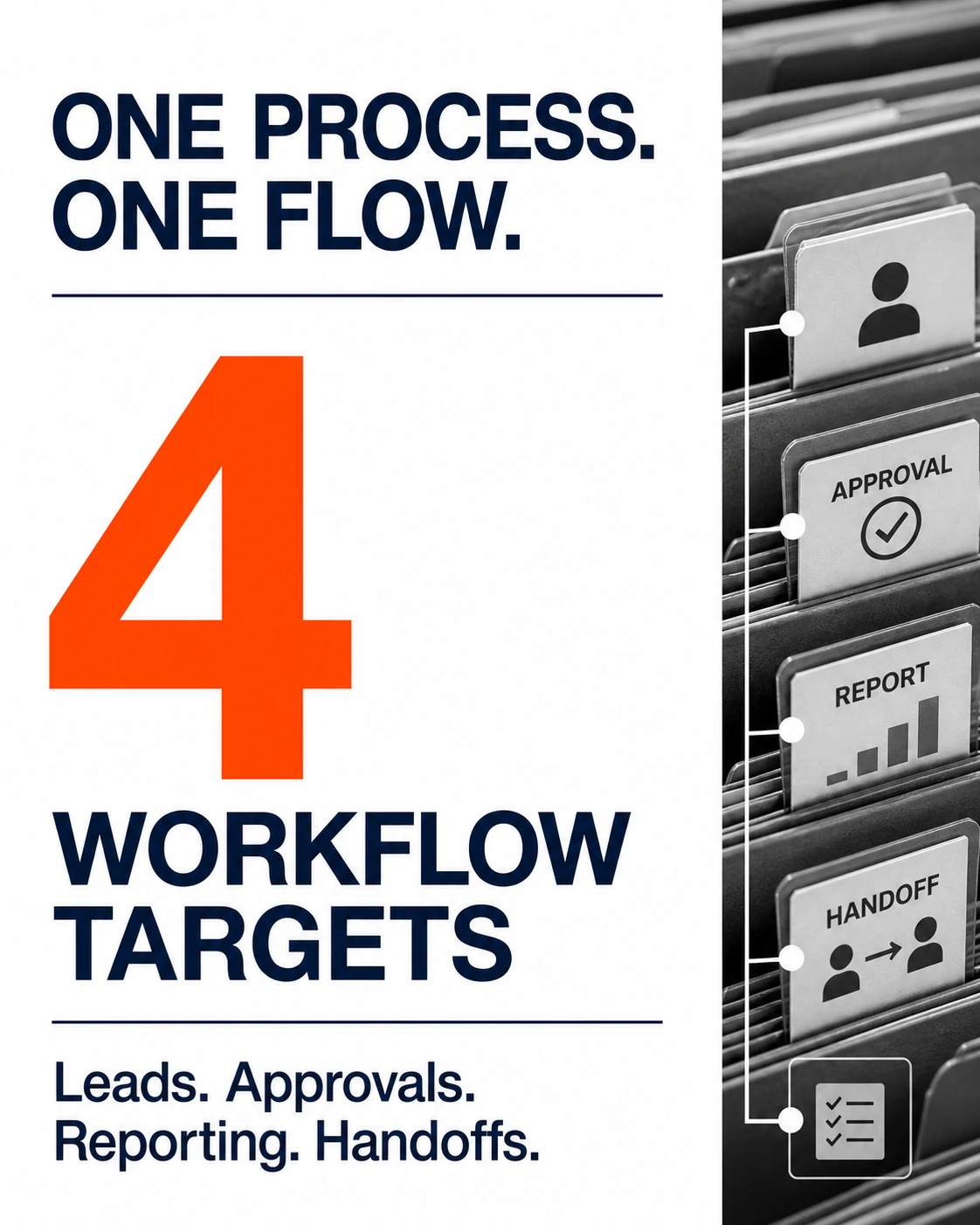
Invoicing and billing. Someone manually creates an invoice, checks it against a quote, and sends a follow-up if payment is late.
Client and employee onboarding. New client details get typed into three separate systems instead of one.
Approvals. A request sits in an inbox waiting for a person to notice it, forward it, and remember to follow up.
Reporting. Numbers get pulled from separate systems and rebuilt in a spreadsheet every week, by hand.
Toronto's financial services and healthcare sectors see this constantly, since both run on strict approval chains and heavy reporting requirements, and both carry a real cost when a step gets missed.


Most automation tools solve one task and stop there. A form gets automated. An email gets triggered. The task is technically automated, but it still lives outside the systems your business runs on, which means someone still has to manually move the result into your ERP system or CRM software anyway.
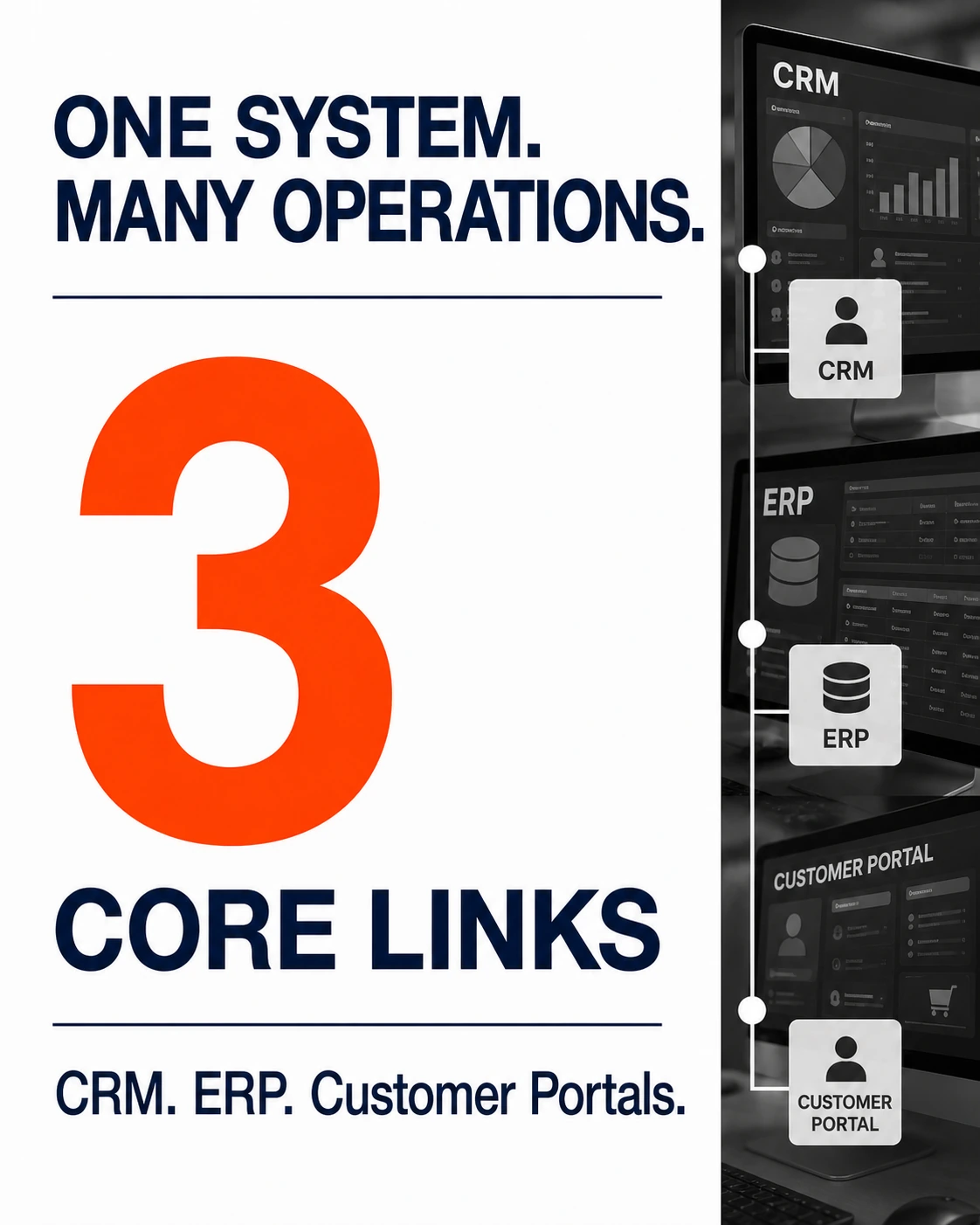
GO-Globe builds automation as part of the systems you already have, not as a separate layer bolted on top. When an automated workflow needs to update customer records, it updates them directly in your CRM. When it needs to trigger a purchase order, it works through your ERP. That is the difference between an automation that saves a few minutes and one that actually removes a step from your business permanently.
AI has a real role in automation, but it's a tool within the bigger picture, not the whole strategy. AI is useful for automation steps that involve judgment at scale: reading and categorizing incoming documents, flagging unusual transactions, or routing a request to the right person based on its content.
For automation built specifically around AI-driven tools like chatbots and instant response systems, see our dedicated AI automation services in Toronto. This page covers the wider picture: the processes, the systems they run on, and the plan for automating them, with AI used wherever it genuinely helps.


Al Dar Exchange came to GO-Globe with a familiar problem: too much of the team's time went into manual processes instead of client-facing work. After GO-Globe built and connected their automation, Al Dar Exchange cut their manual workload by 70%.
TrainerHQ had a similar issue specifically around scheduling and billing, two of the most manually intensive parts of running a service business. GO-Globe's automation work cut their scheduling and billing time in half.
We start with a free consultation to understand what's actually eating your team's time, not a generic checklist. From there:
There's no published starting price here, because the honest answer depends entirely on scope. One automated approval workflow is a very different project from automating your entire onboarding process. We'll give you a clear, scoped proposal after the free consultation, not a guess.

Business automation is the use of software to handle repeatable business tasks and processes without manual input at every step, connected to the systems a business already runs rather than working as a separate tool.
The most common candidates are invoicing, client and employee onboarding, approvals, and recurring reporting, since these tasks follow the same steps every time and typically involve moving information between more than one system.
No. Smaller businesses often see automation pay off faster, since a single person is usually handling several manual processes at once, and removing even one of them frees up meaningful time.
Business automation is the broader strategy, covering which processes get automated and how they connect to your systems. AI automation refers specifically to AI-driven tools like chatbots and automated response systems, which are one part of a wider automation plan. See our AI automation services in Toronto page for that specific service.
It depends on scope. A single automated workflow can be live within a few weeks. A multi-department automation program takes longer, since it involves mapping several processes and integrating with more systems.
Yes. GO-Globe builds automation to connect directly with your existing ERP system and CRM software rather than working around them, so results update in the systems your team already relies on.
Cost depends entirely on the scope of what's being automated. We provide a clear, scoped proposal after a free consultation rather than a fixed starting price, since one automated workflow and a full department-wide automation program are very different projects.