


































GO-Globe is the mobile app development Austin businesses turn to for iOS, Android, and cross-platform apps built for both App Store rankings and AI search visibility. We work with everyone from early-stage startups to established enterprises, with every build backed by real product strategy, not just code. Austin founders and operations teams work with us to turn a product idea into a working app, not just a design file.

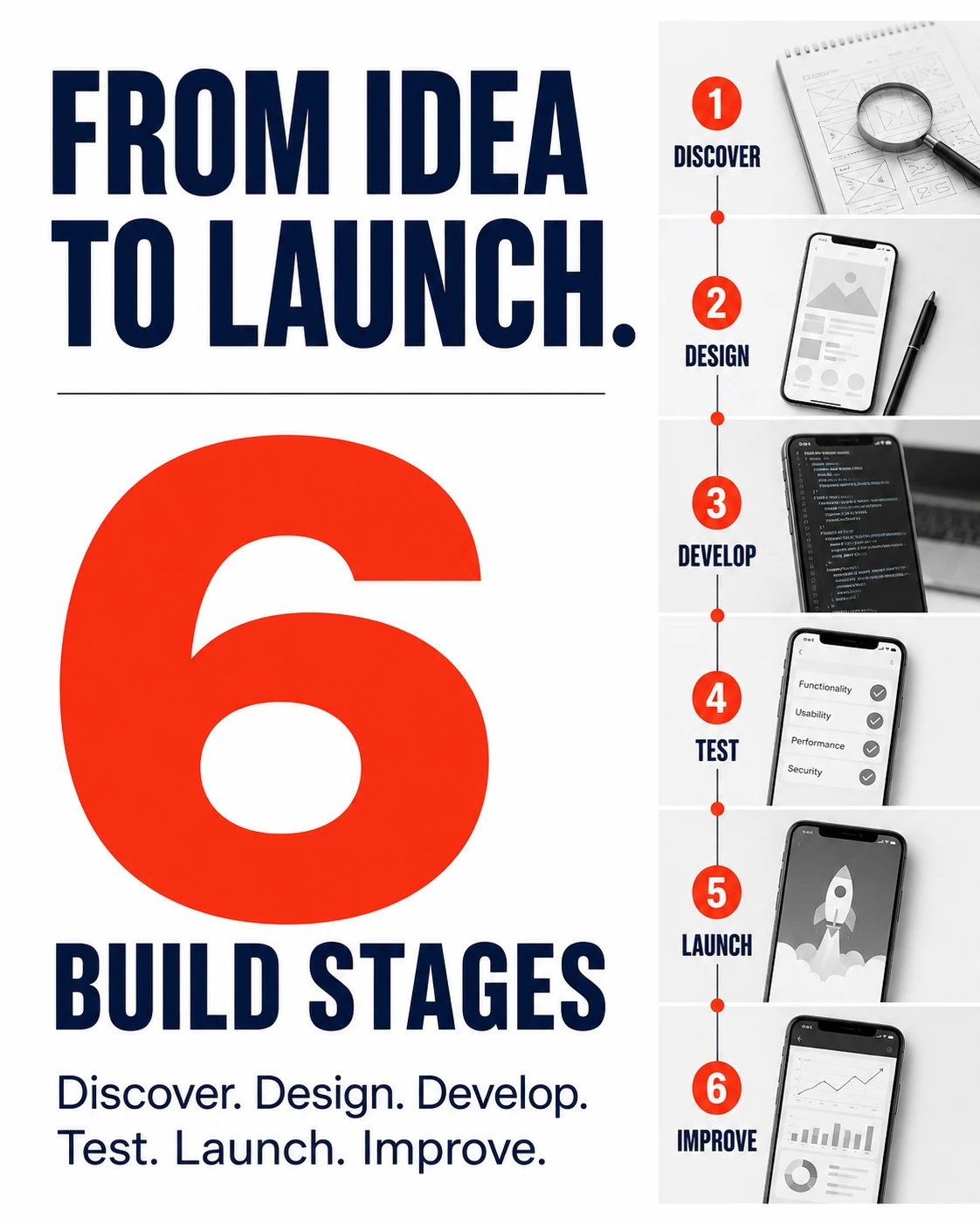
Custom mobile app development is the process of designing, building, and launching a mobile application built specifically around one business's workflow, customers, and goals, rather than adapting an off-the-shelf template. It covers everything from the first product strategy session through UI/UX design, native or cross-platform coding, backend and API integration, app store submission, and post-launch support.
For Austin businesses, this usually means one of three paths:


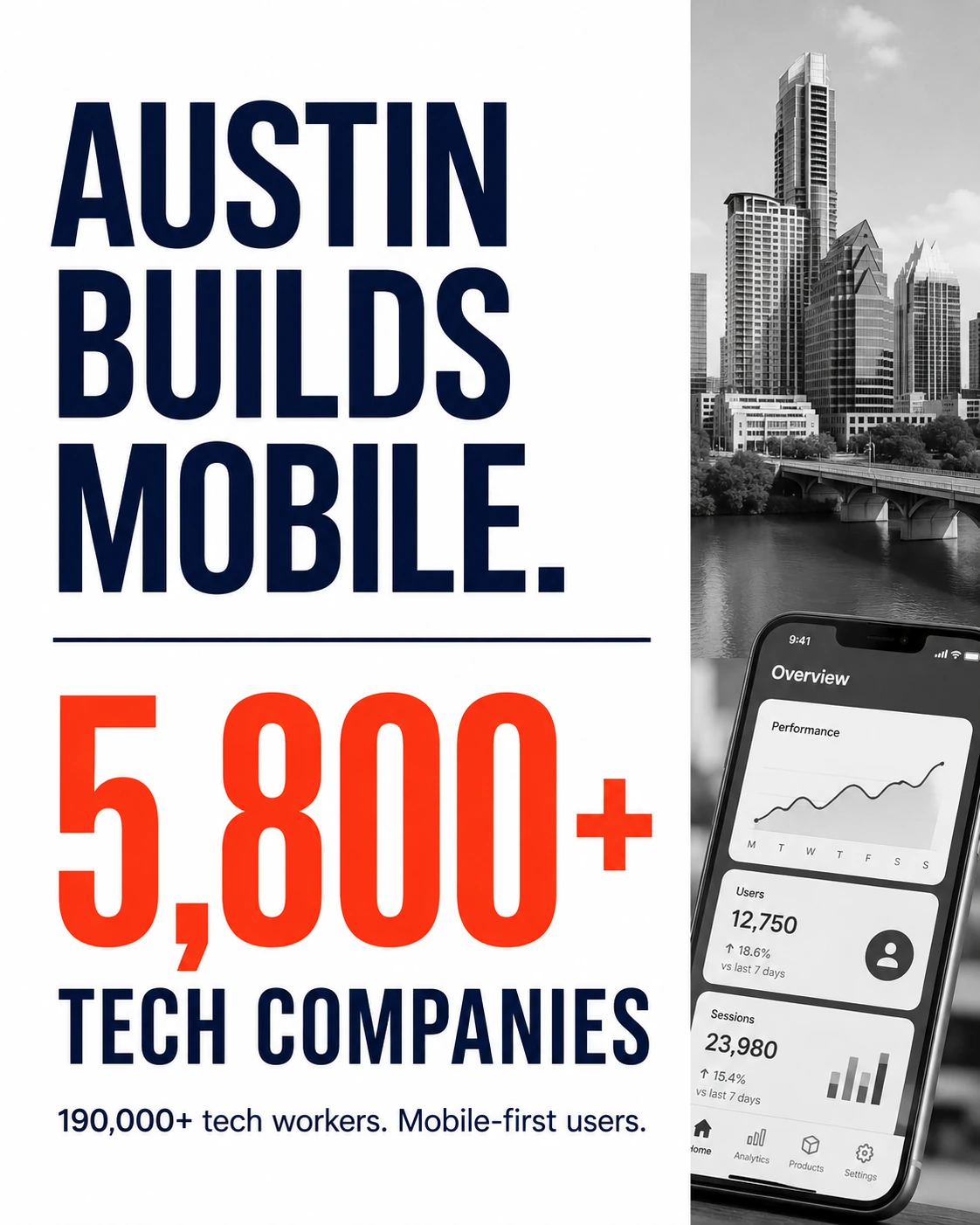
Austin's tech base isn't small anymore. The metro area now hosts over 5,800 tech companies employing 190,000-plus workers, and the city has become a genuine hub for AI-driven products, with more than 130 companies building AI-powered tools locally. That density means two things for any Austin business: your customers already expect a mobile-first experience, and your competitors are already building one.
The city's startup scene reflects the same pattern. Austin's startup ecosystem grew 25.6% in 2026 and now ranks 14th globally, with total funding exceeding $6.4 billion. A fast-growing, well-funded local market rewards businesses that can launch and iterate on a mobile product quickly, not ones stuck waiting months for a single agency to finish a native build before even touching Android.
This is also a market with real hardware and robotics activity alongside the software side, which means mobile apps here often need to talk to physical devices, sensors, or on-site hardware, not just a server. That's a different build than a typical content or e-commerce app, and it's worth choosing a development partner who has actually built for that kind of integration.
Here's the full scope of mobile app development Austin businesses get when they work with GO-Globe, from first sketch to App Store listing:
Built in Swift, optimized for the App Store's review process and Apple's Human Interface Guidelines, with full access to iOS-native features like Face ID, Apple Pay, and push notifications.
Built in Kotlin, tested across the fragmented Android device landscape, and optimized for Google Play Store compliance from day one.
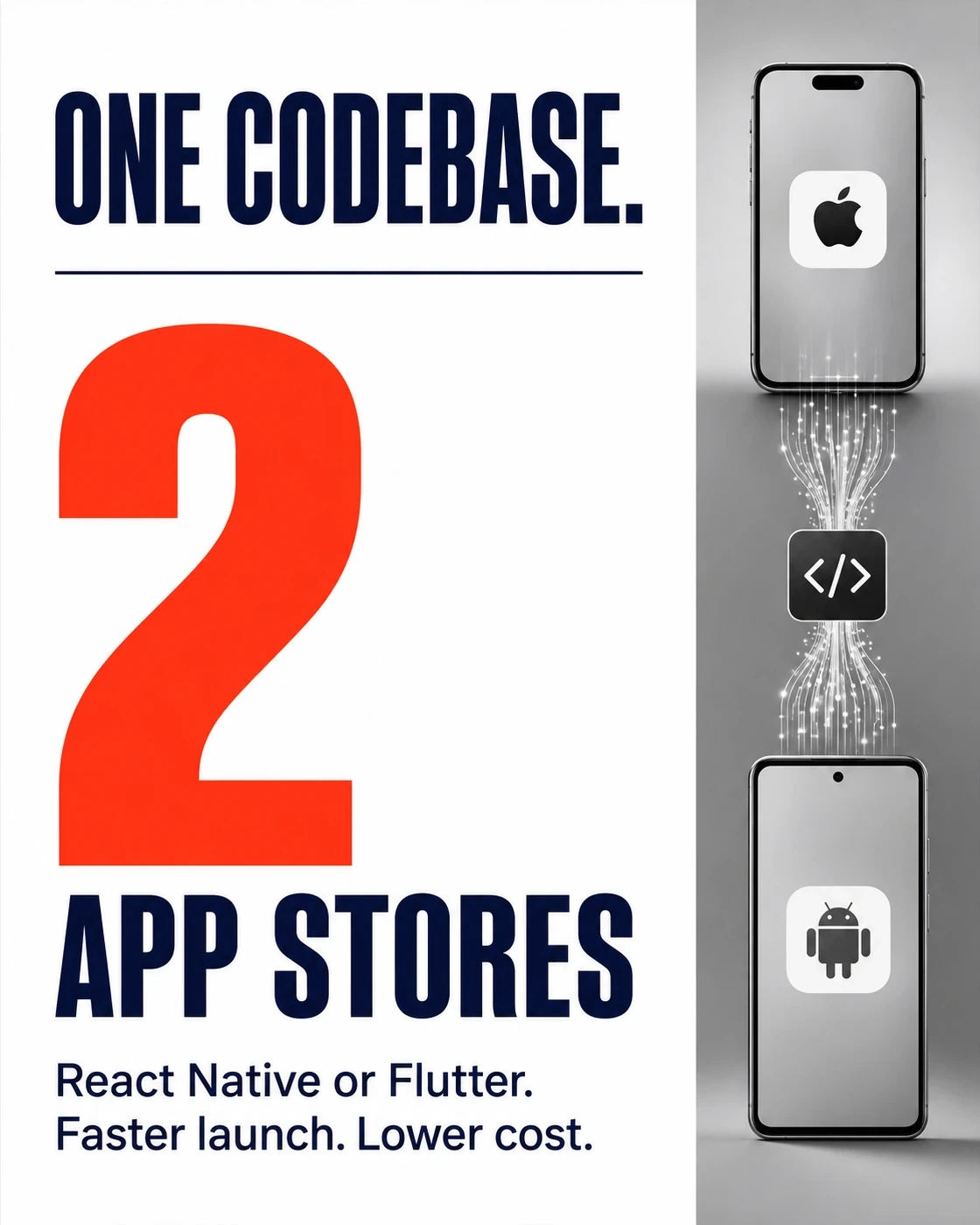
One React Native or Flutter codebase serving both iOS and Android, ideal when speed to market and budget both matter.
Every screen is designed around how people actually use a phone: thumb reach, load-time patience, and the fewest taps to complete an action. This ships as part of the app build itself, not a separate line item.
Your app connects to what it needs to: payment processors, CRMs, inventory systems, third-party APIs, or your own custom backend, built to scale with your user base.
Metadata, screenshots, and keyword positioning prepared alongside the build itself, so the app is ready to be found the day it launches, not weeks after.


Austin's business base isn't just tech companies writing software for other software companies. The metro area is home to major consumer retail brands including Kendra Scott, Whole Foods Market, YETI, and Tecovas, alongside a genuine e-commerce sector built around platforms for merchants to run and scale their own online stores. That mix shows up in what kind of mobile apps actually get requested here:
Retail and direct-to-consumer brands need shopping apps that sync inventory in real time, support loyalty programs, and handle checkout without friction. A DTC brand's app is often judged on load speed and cart conversion more than feature count.
Health-tech and wellness companies need apps that handle sensitive user data correctly from day one: secure logins, encrypted records, and interfaces that work for users who are not necessarily tech-savvy.
Robotics, hardware, and semiconductor-adjacent companies, a real and growing part of Austin's economy, sometimes need apps that talk to physical devices: Bluetooth pairing, sensor data, or on-site hardware controls. That's a fundamentally different build than a typical content or e-commerce app, and it's worth confirming your development partner has actually shipped something like it before, not just claimed to.
Fitness, coaching, and service-marketplace businesses need two-sided platforms: one experience for the provider, one for the client, tied together with scheduling, payments, and communication in a single app. This is the exact category GO-Globe's TrainerHQ build falls into (see the case study below).
Every app we build is designed with security as part of the architecture, not bolted on after launch. That means encrypted data storage and transmission, secure API authentication, and role-based access control for apps with multiple user types (like trainer and client portals, or admin and customer roles). For apps handling payments, health information, or other sensitive data, this isn't optional. It's the difference between an app users trust with their information and one that becomes a liability the first time something goes wrong.
We also build with app store review requirements in mind from the start. Both Apple and Google reject submissions for privacy and security gaps far more often than for design issues, so addressing this early avoids a rejected submission and a delayed launch.


This is one of the first real decisions in any mobile app project, and it matters more than most people expect going in.
An MVP (minimum viable product) launches with only the core features needed to solve the main problem and get real users testing it. It's faster and cheaper to build, and it gives you actual usage data before you invest further, which is usually more valuable than another round of internal planning meetings. Most first-time app founders and startups are better served starting here.
A full-featured launch makes more sense when you already have a validated user base (an existing business moving a proven offline or web process into an app, for example), when competitors already have full-featured apps and a stripped-down version would look incomplete by comparison, or when your core value only works with several features present at once, like a marketplace that needs both supply and demand from day one.
We'll tell you honestly which path fits your situation during the discovery phase, even if that means recommending the smaller build.
Building the app is half the work. Getting it found in the App Store or Google Play is the other half, and it's often treated as an afterthought by app developers who only do the coding.
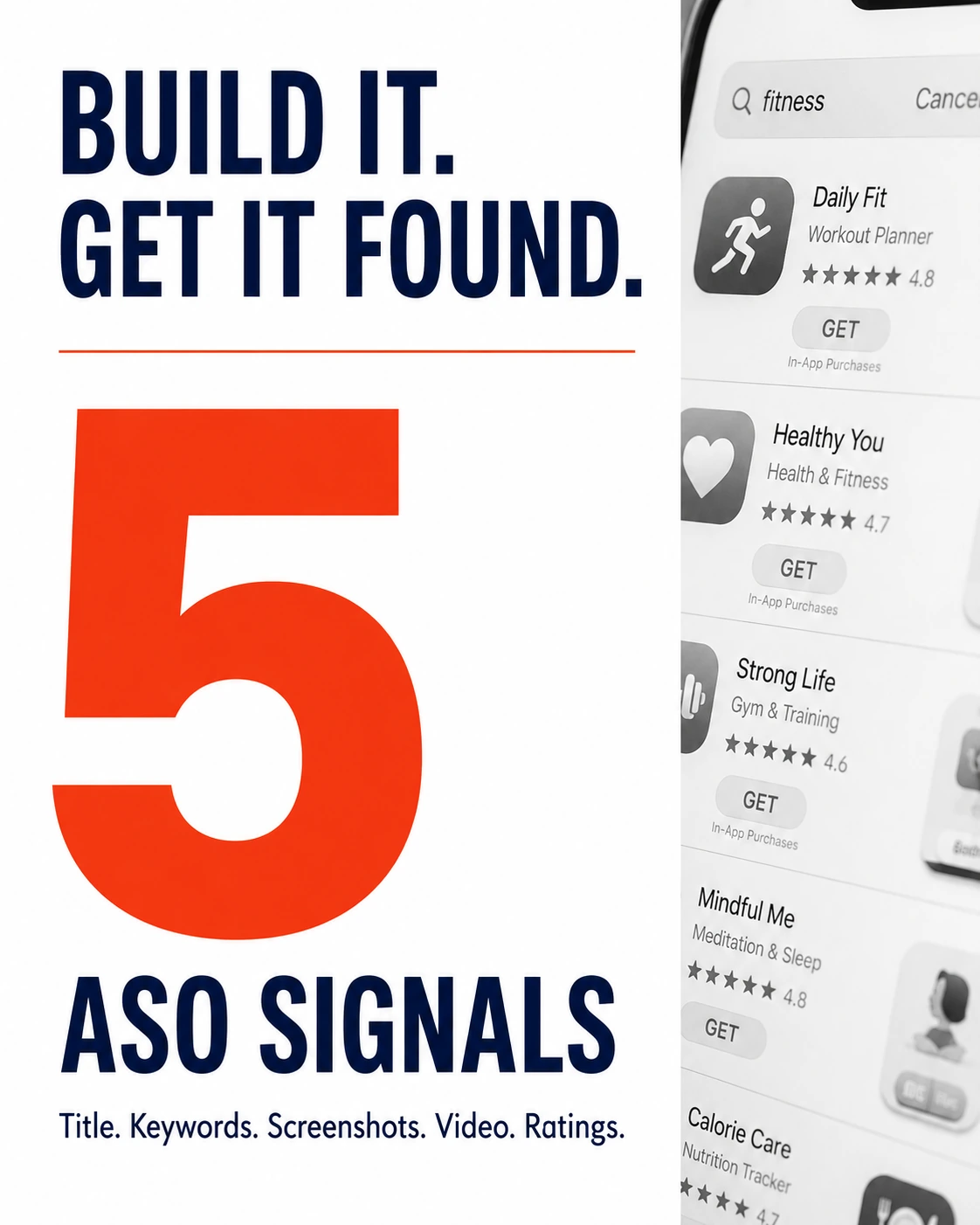
App Store Optimization (ASO) covers the elements that determine whether your app shows up when someone searches for what it does: the app title and subtitle, keyword fields, screenshots, preview video, and the description itself. Apple and Google both use these signals, alongside download velocity and user ratings, to decide how an app ranks in search results and category listings.
We prepare ASO assets as part of the build itself, not as a separate project after launch. That means keyword research for your app's category, screenshots designed to convert a browsing user into a download, and a description written for both the human reading it and the store's search algorithm indexing it. This works the same way search visibility for your website does: the goal is being found by the right person at the right moment, whether that's Google, an app store, or an AI assistant giving a recommendation.


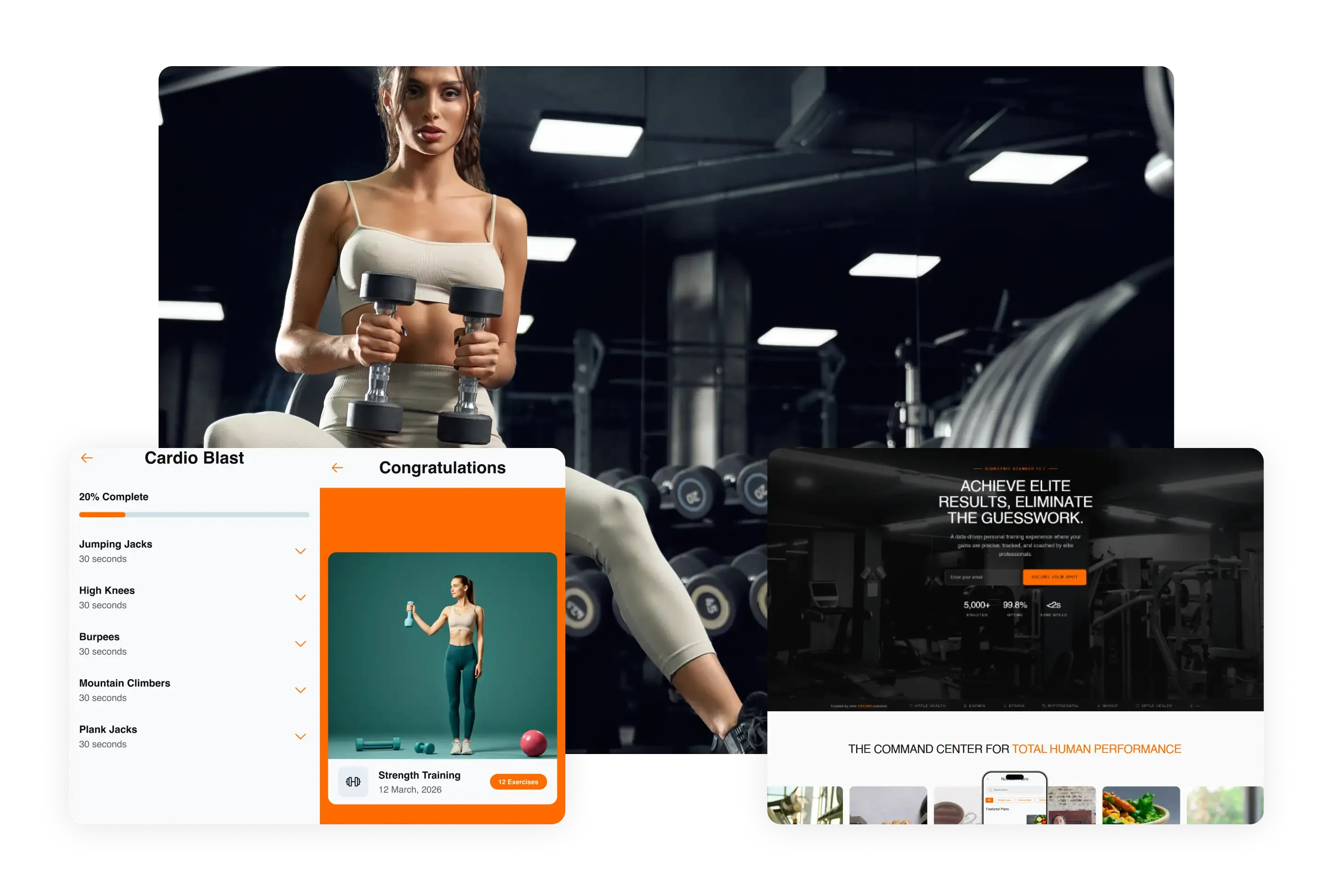
GO-Globe built TrainerHQ, a full digital fitness marketplace app connecting personal trainers with clients through a single mobile platform. The build included separate trainer and client portals, HD video lessons, a nutrition planning module, a payment and subscription dashboard, in-app chat, and cloud video streaming supporting thousands of concurrent video streams.
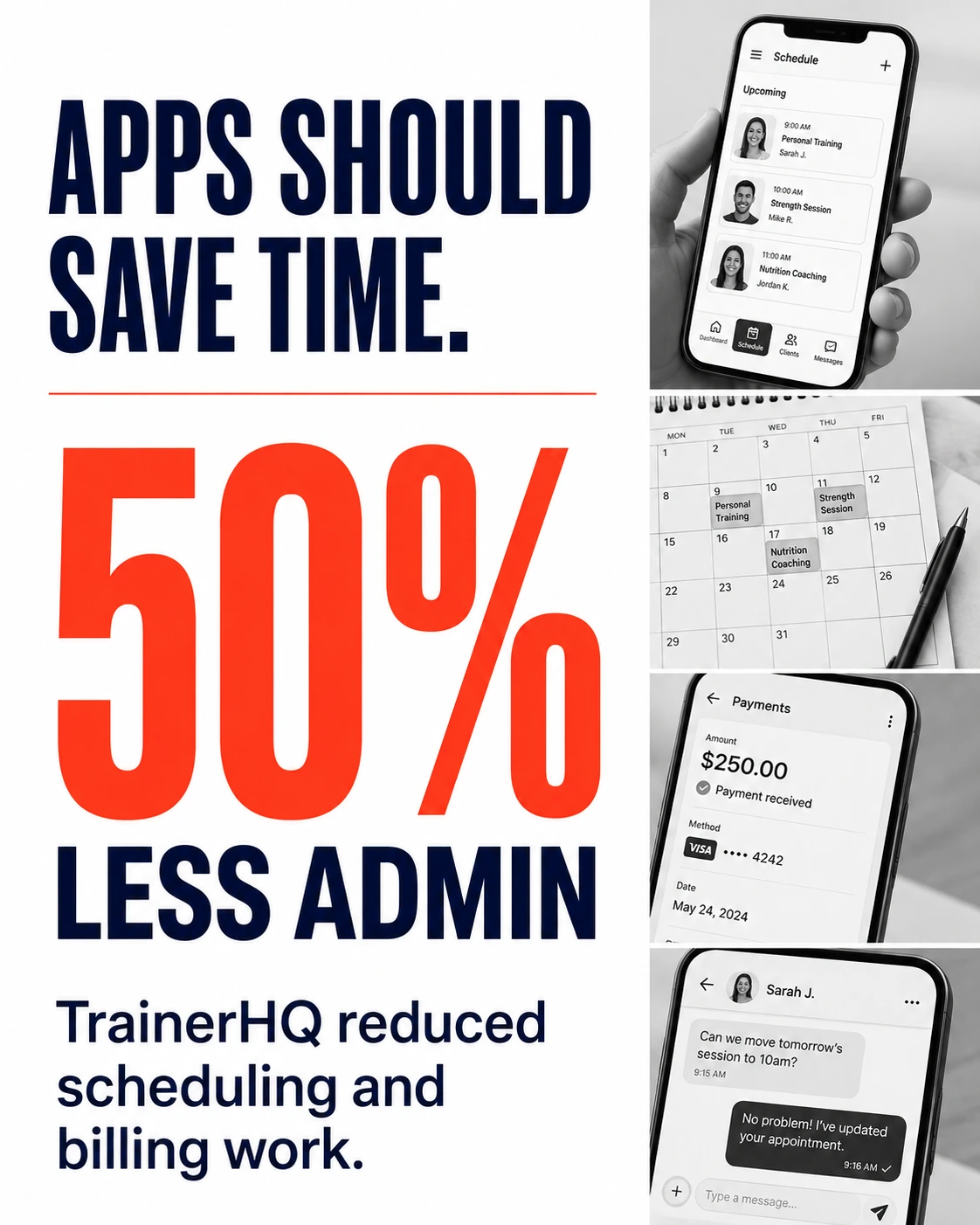
The result: a 50% reduction in the time trainers spent on scheduling and billing, now handled inside the app instead of across separate tools and spreadsheets. That's the kind of outcome a mobile app should deliver: less manual work, not just a new interface.


GO-Globe has been building custom digital products since 2005, with more than 700 projects delivered, over 460 clients served, and a team spread across 28-plus locations globally. That's not an Austin-specific claim; it's the same track record backing every build we do, and it's why businesses ranging from early-stage startups to established enterprises trust us with a product as central to their business as their mobile app.
A few things specifically shape how we approach mobile app development:
Search "mobile app developers austin" and you'll find plenty of agencies. What sets us apart is a verified track record: real case studies, a company built since 2005, and a process that doesn't leave you guessing what happens after you sign.
A cross-platform MVP typically takes a few months from discovery to launch, while a fully native app with complex integrations can take longer. Timeline depends on feature scope, not just platform choice.
If your app is performance-critical or needs deep access to device hardware, native is usually worth the extra time. If you need to reach both iOS and Android users quickly on a defined budget, cross-platform is typically the better starting point.
Yes. We work with early-stage teams building a first MVP as well as established businesses adding a mobile product to an existing operation.
We provide post-launch support, including monitoring, bug fixes, and updates based on real usage data and OS updates from Apple and Google.
Yes. Mobile apps we build connect to CRMs, payment processors, inventory systems, and custom backends as needed for the business.
Yes, submission and the required metadata, screenshots, and store optimization are handled as part of the build.