































GO-Globe builds custom websites, web applications, business portals and ecommerce platforms for companies across Dallas and North Texas. Instead of starting from a template, we build around how your business actually runs, including the systems it already depends on.
Dallas is home to more Fortune 500 headquarters than almost any other US metro, alongside a fast-growing base of logistics, finance and technology companies. That mix means a lot of Dallas businesses are not looking for a brochure site. They need a platform that connects to the CRM, ERP, scheduling or reporting tools they already run, and that can scale as the company grows.
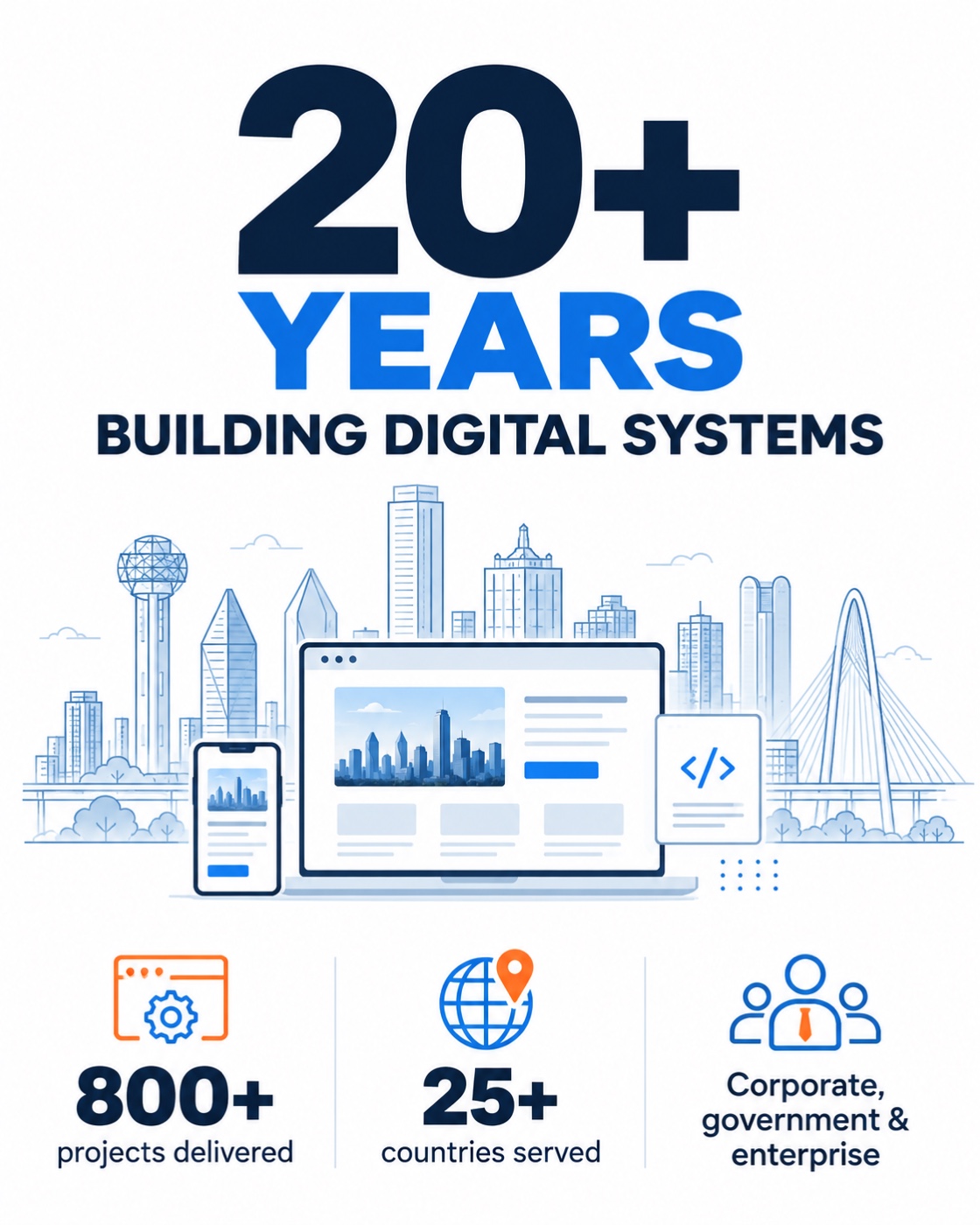
GO-Globe has delivered more than 800 projects for clients across over 25 countries since 2005. Our work covers business websites, custom applications, ecommerce systems, customer portals and enterprise platforms.

Website development covers six connected areas of work, not just how a site looks.
Front-end development. Page layouts, navigation, forms and interactive features built to work cleanly across phones, tablets and desktop screens, so a visitor can find what they need and act on it without friction.
Back-end development. The back end handles accounts, databases, business logic and data processing. We build secure systems that manage enquiries, orders, bookings, payments and internal workflow, the parts of the site a visitor never sees but always depends on.
Content management. Your team should be able to publish a new service page, update pricing or edit a product listing without waiting on a developer. We set up organised, reusable content structures with clear editing permissions.
Ecommerce. Product management, secure checkout, customer accounts, payment processing and order tracking, built to connect with inventory, accounting, shipping and point-of-sale systems rather than sit apart from them.
Integrations. A website earns its keep when it talks to the tools your team already uses. We connect sites to CRM platforms, ERP software, booking tools, payment gateways, email systems, shipping providers and internal databases.
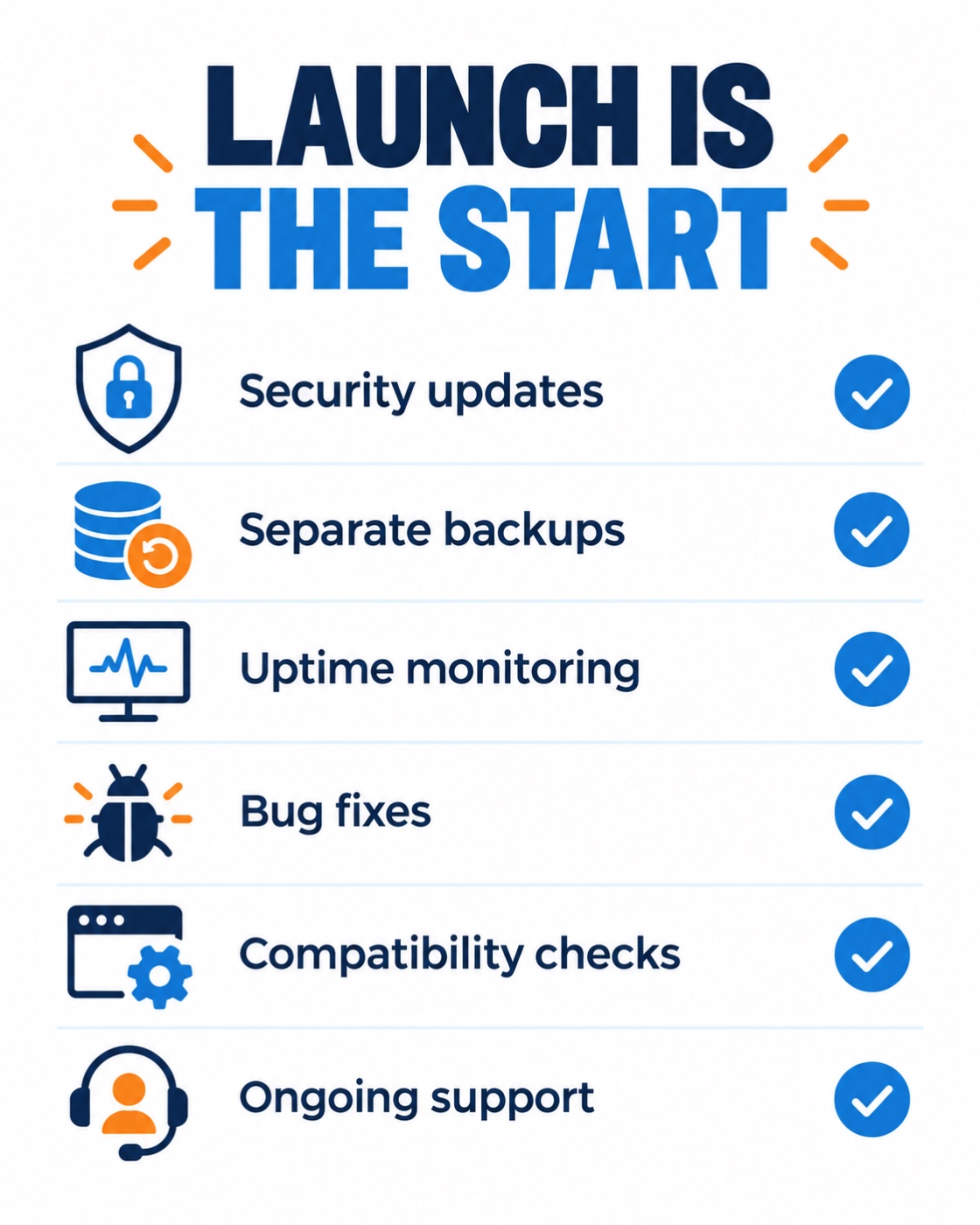
Maintenance and security. After launch, a site needs updates, backups, monitoring and support. Ongoing care protects performance and security as browsers, plugins and connected platforms change underneath it.
A web design company in Dallas typically covers the first of these six areas. A website development company covers all six, which is the difference that matters once a site has to do real work for the business behind it.
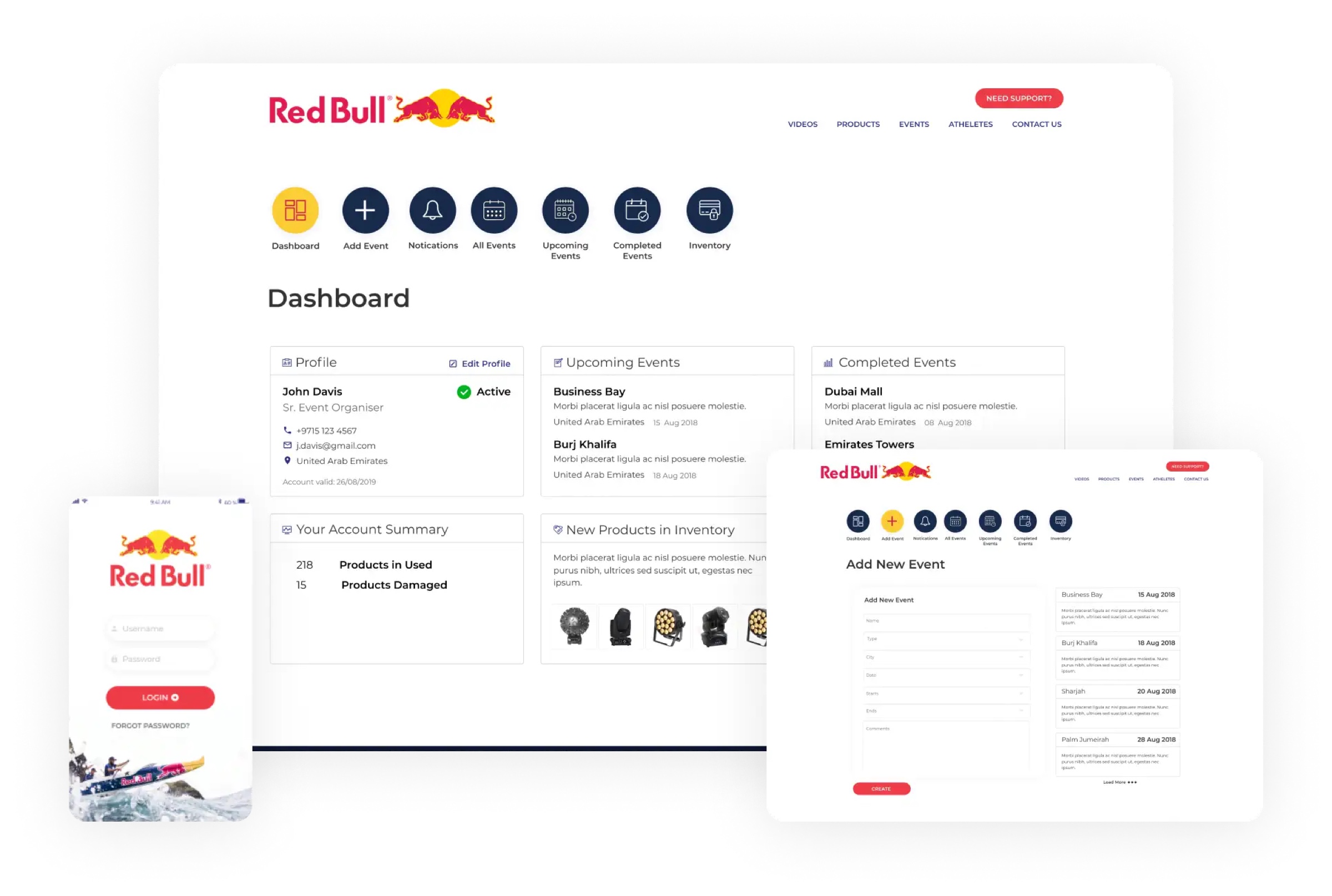
A custom web application lets your customers or your own team complete real tasks online, submitting documents, tracking an order, approving a request, instead of moving the same information between email threads and spreadsheets.
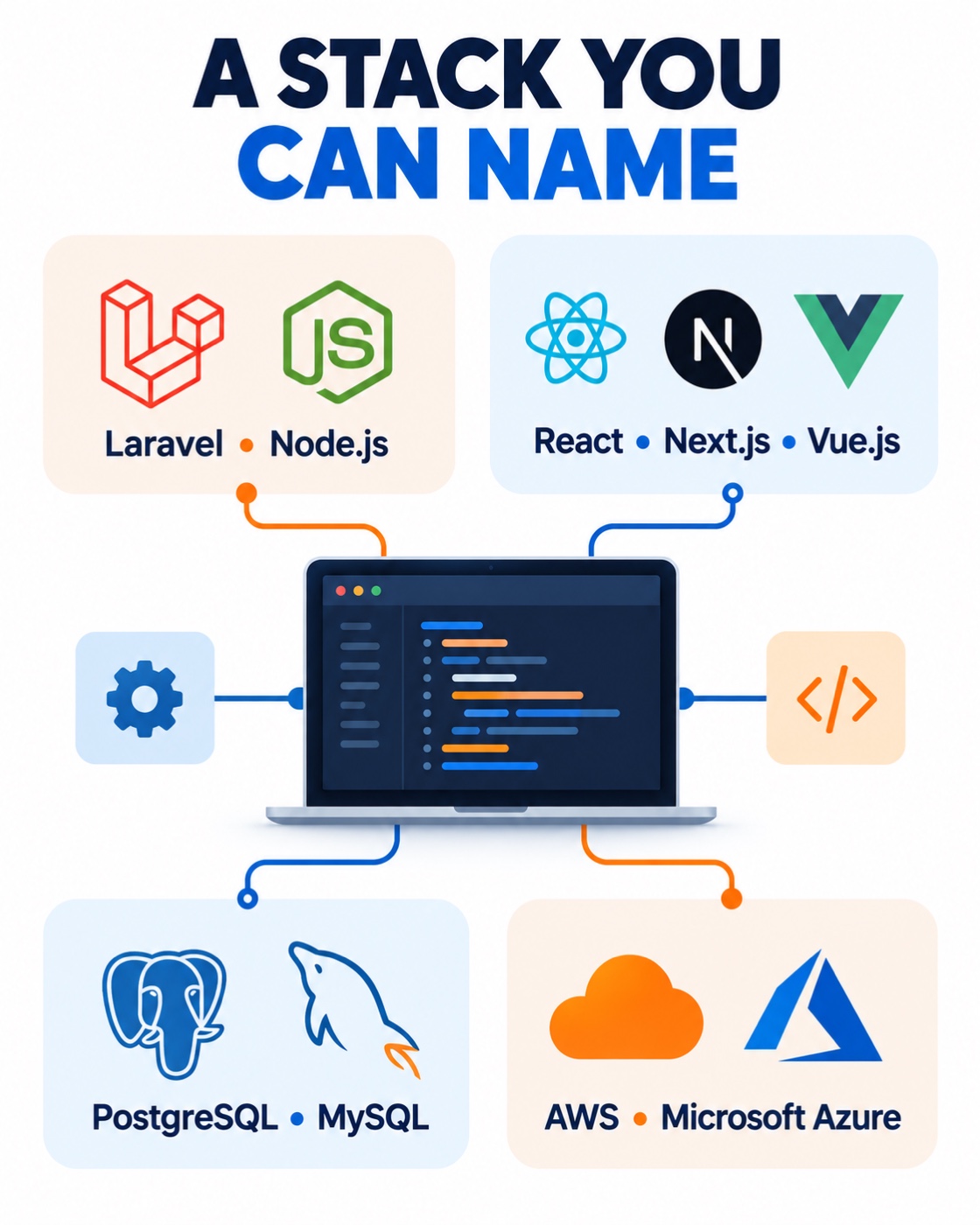
Depending on the project, GO-Globe builds back-end systems in Laravel or Node.js, with React, Next.js or Vue.js for the front end. Structured data is managed in PostgreSQL or MySQL.
Hosting can run through GO-Globe or deploy into a client's existing AWS or Microsoft Azure environment. Integrations are built through secure APIs, and the technology choice is explained before development starts, so there is a clear record of how the system works and who can support it later.
Al Dar Exchange needed one system to handle customer communication instead of three separate, disconnected ones: website chat, WhatsApp and phone calls, each with its own inbox and no shared history.
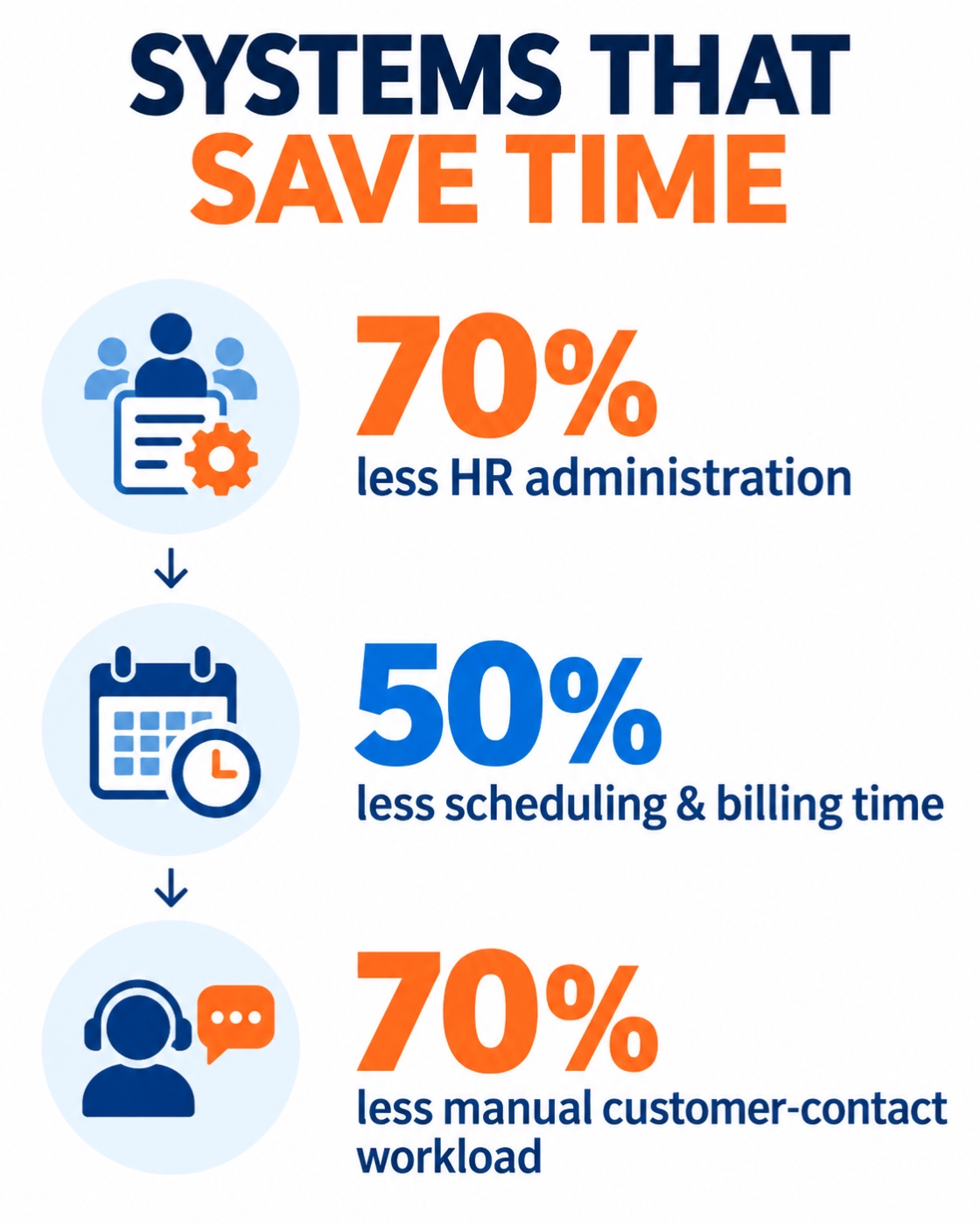
GO-Globe built a single AI-assisted communication platform that unifies all three channels into one dashboard, with an automated first response available around the clock. The result was a 70% reduction in manual workload for the team handling customer contact. It is a working example of what a custom application is for: replacing several disconnected tools with one system that actually reflects how the business operates.


A business portal gives employees, customers, suppliers or partners a secure, permission-based way to reach the information and tools they need, replacing long email chains and repeated data entry.
Customers view orders, invoices, documents, account details and project status without contacting your team for every update.
Suppliers submit invoices, upload compliance documents and track approval status through one account instead of a shared inbox.
Teams reach internal documents, announcements, requests, training material and company resources in one place.
Partners access product materials, pricing, orders and shared reporting based on their specific account permissions.
A new portal does not have to mean replacing what you already run. We connect the portal to your existing ERP, CRM or business database, so information stays aligned across systems instead of living in two places at once.
TrainerHQ ran scheduling, billing, video content, subscriptions and client messaging through separate, unconnected tools before working with GO-Globe.
We built one platform split into two connected portals, one for trainers and one for clients, covering bookings, payments, HD video lessons, progress tracking and messaging in a single system. Time spent managing scheduling and billing dropped by 50%. The build shows what a multi-portal architecture is genuinely for: two different user groups, one shared system underneath.
WordPress suits companies that need flexible content management, custom landing pages and integrations without building every feature from scratch.
We do not put clients into a fixed theme. Design, editing workflow and functionality are built around the brand and around how your team actually manages content day to day.
For projects that need a more developer-controlled content layer, we also work with Payload CMS. The platform is chosen after reviewing content volume, editing needs, integrations, security requirements and where the site needs to go next.


GO-Globe builds ecommerce platforms for retailers, wholesalers, service companies and marketplace operators, managing products, payments, orders, customer accounts, shipping and inventory in one connected system.
WooCommerce can be the right fit for a standard catalogue and checkout. A custom Laravel build tends to make more sense once a business has tiered wholesale pricing, multiple vendors, unusual ordering rules or deep ERP integration, all common in a market with as much B2B and logistics activity as Dallas.
The right platform depends on your catalogue size, sales process, payment requirements and expected order volume, not on which platform is trending this year.
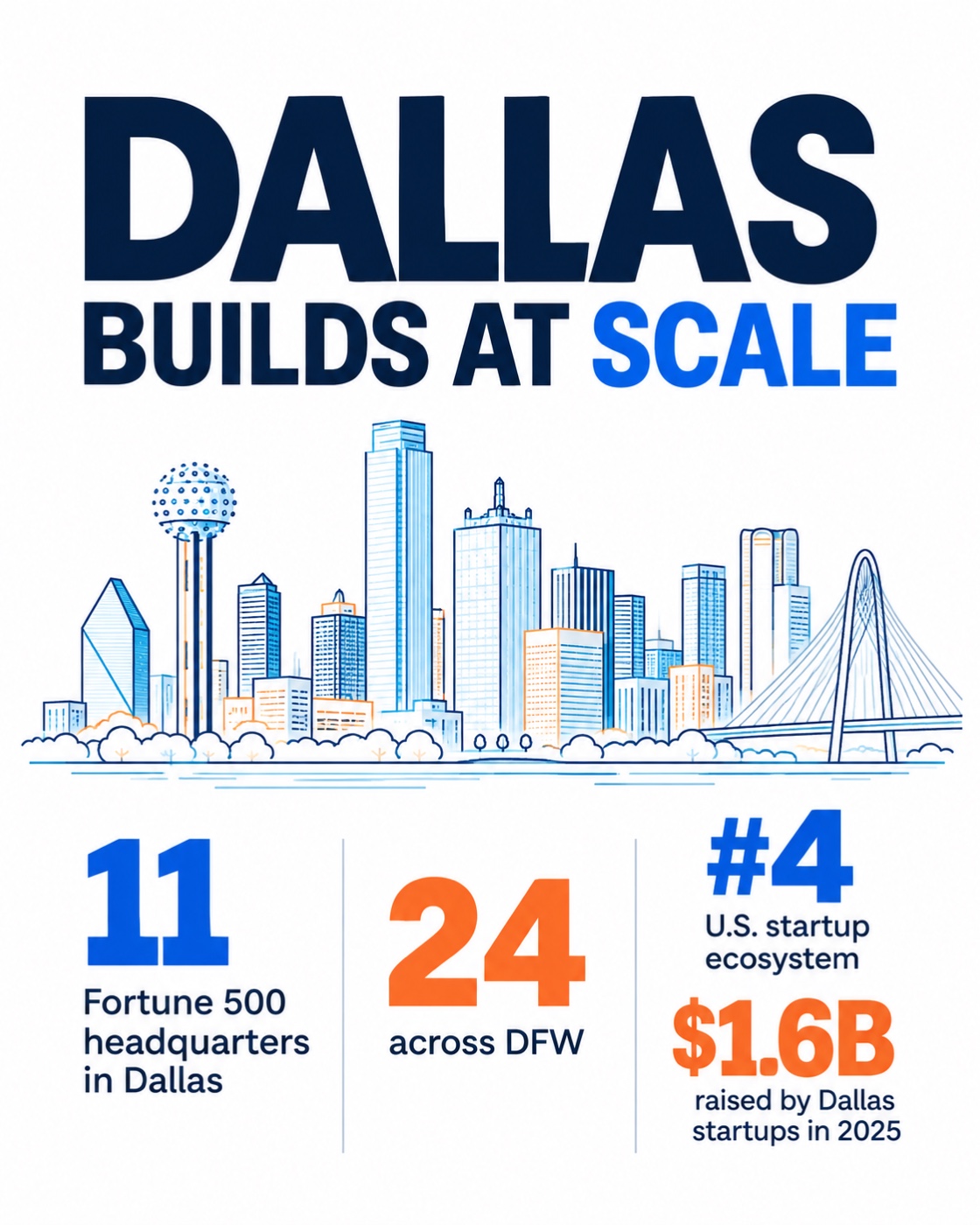
Dallas is not a small-business-only market. Eleven Fortune 500 companies are headquartered in the city itself, and the wider Dallas-Fort Worth metro is home to two dozen, including Texas Instruments, AT&T and McKesson. Finance has a real footprint here too, JPMorgan Chase, Goldman Sachs's roughly 800,000-square-foot regional campus, and Charles Schwab's move of its headquarters to the area all point the same way. Logistics is just as present, with major carriers and transport operators such as Union Pacific, Stevens Transport and MV Transportation based in the metro. At the same time, Dallas-Fort Worth ranks as the fourth-largest startup ecosystem in the United States, with Dallas-based startups raising roughly $1.6 billion in 2025, so the same city that supports large enterprise builds also supports lean, fast-moving product launches.
What that means for a website build is straightforward. A company operating inside that environment usually needs a platform that plugs into ERP or CRM systems already in place, handles role-based access for different teams, and holds up under real transaction and reporting volume, not a site that just looks good and stops there.
This is the same standard GO-Globe applies to every enterprise-scale build, including a digital induction and assessment platform delivered for the operator of the Riyadh Metro. That project replaced a bilingual, paper-based onboarding process with online training, secure assessments and automatic certification, cutting HR administration time by 70%. A similar logic shaped an automotive digital showroom built for Jetour, combining vehicle comparison tools, a finance calculator, CRM and WhatsApp integration and a bilingual chatbot into one connected platform rather than a set of disconnected add-ons.


Cost depends on the size of the platform, the functions it needs and the systems it has to connect with. A standard company website takes less work than a custom application, a multi-portal build or a wholesale-ready ecommerce store.
Six factors that set the price of a website development project:
How pricing works. We prepare a quote after discovery, once goals, functions, integrations and deliverables are documented and written down, not before.
What to ask any Dallas agency before you sign:
An agency that cannot answer those five questions in writing is a risk, whatever number sits on the quote.
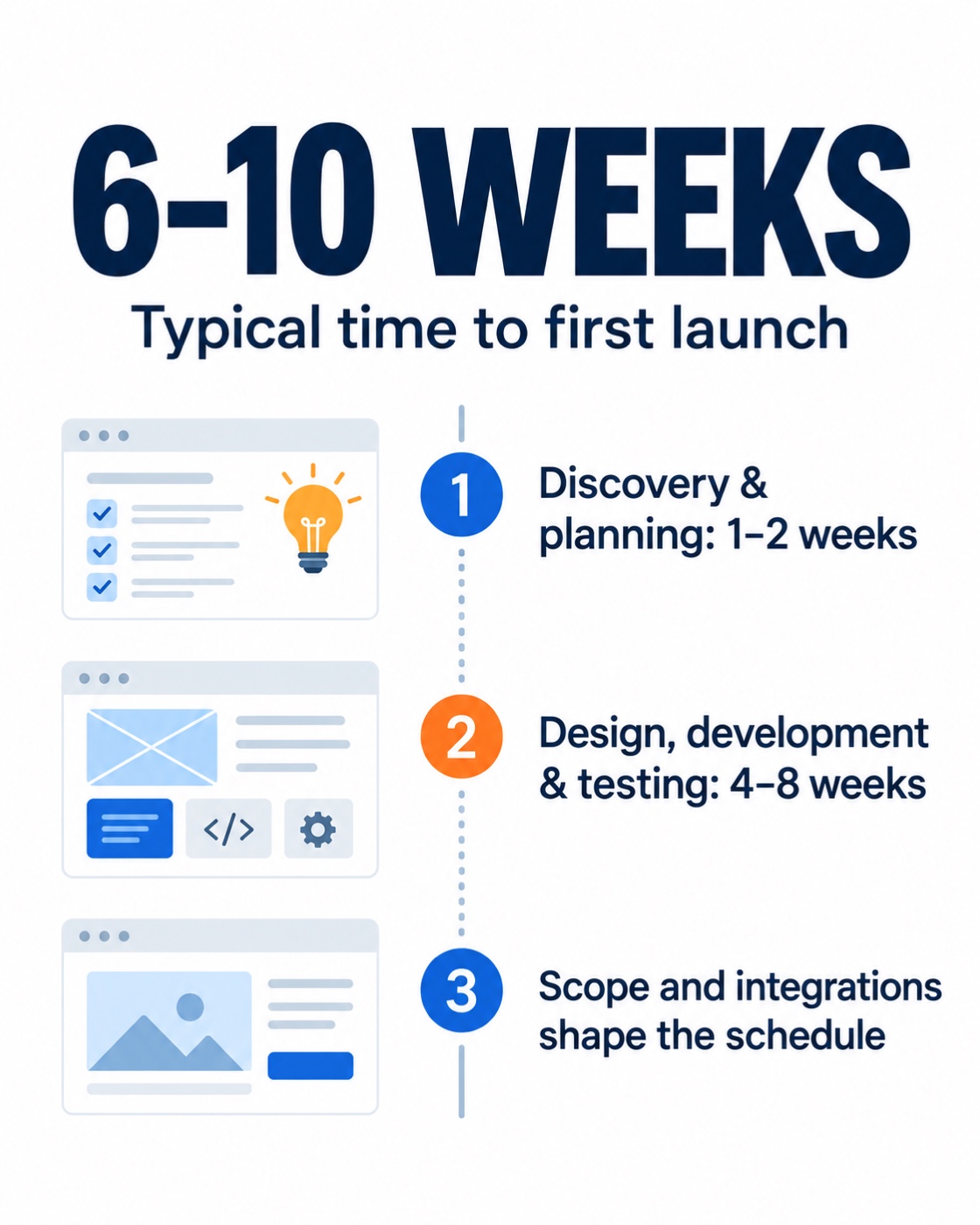
A standard GO-Globe website reaches first launch in roughly six to ten weeks. Ecommerce stores, portals and custom applications usually need more time, based on their content, integrations and internal approval process.
| Phase | Duration | What happens |
|---|---|---|
| Discovery and planning | 1–2 weeks | Goals, requirements, sitemap and technical plan |
| Design and development | 4–8 weeks | Interface design, development, integrations and testing |
| Total to first launch | 6–10 weeks | Final review, setup and deployment |
What actually keeps a project on schedule: content that is ready before development starts, and one person on your side authorised to make decisions. The most common source of delay on a web project is not development work, it is content arriving late.


Most agencies describe themselves in nearly identical language. These seven questions actually tell them apart.
For a Dallas company running on existing enterprise systems, the integration and code-ownership questions matter even more than usual, since a platform that cannot connect cleanly to what you already run creates more work than it saves.
A website is not finished the day it goes live.
What ongoing maintenance covers:
Unmaintained sites rarely fail on day one. They tend to fail about eighteen months in, usually through an out-of-date plugin, and usually at an inconvenient time.


Twenty years of delivery. Founded in 2005, with more than 800 projects delivered since.
International scale. Clients across more than 25 countries, spanning corporate, government and enterprise sectors.
Enterprise experience. Systems delivered for organisations including Shell, Nestlé, LG and Dubai Municipality.
Recognised work. Named UI Design Agency of the Month in November 2019 by TDA.
A named stack. Laravel, Node.js, React, Next.js, Vue.js, WordPress, PostgreSQL and MySQL, so you always know what your system runs on.
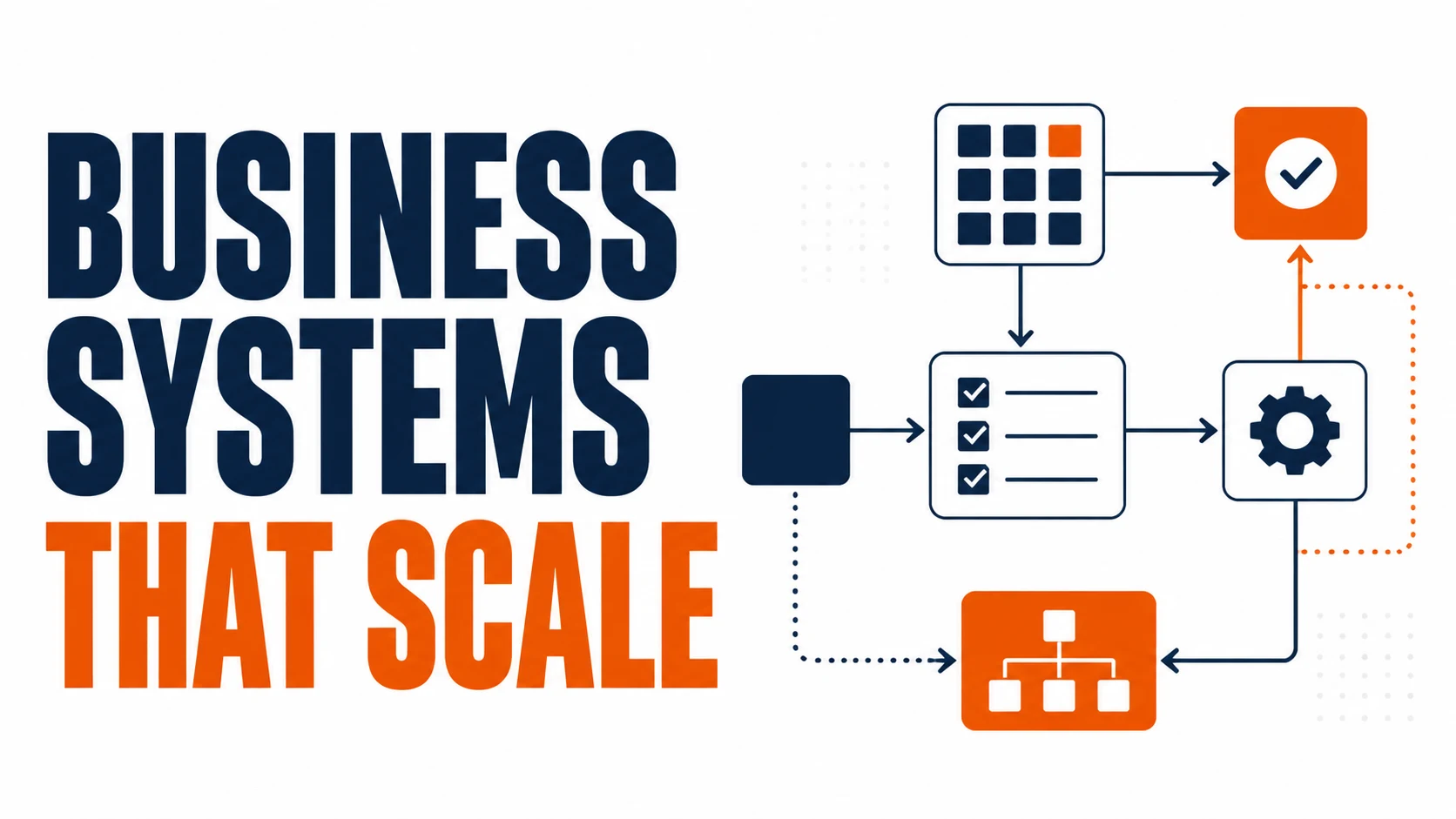
Systems built for scale, on record:
Talk to us. Call +1 571 208 8604 or book a strategy session.
Cost depends on six things: the number of unique page templates, how much custom functionality is needed, how many other systems the site must connect to, whether existing data needs migrating, whether GO-Globe or the client produces the content and design, and the level of support required afterward. GO-Globe quotes after discovery, once the scope is written down, and prices any change to that scope before doing the work.
A typical project reaches first launch in six to ten weeks: one to two weeks of discovery and planning, followed by four to eight weeks of design, development, integration and testing. Custom applications, multi-portal builds and large data migrations take longer than a standard company website.
Web design covers how a site looks and how a visitor moves through it: layout, colour, typography and navigation. Website development covers how it works: the code, the database, integrations with other systems, and the functionality behind the pages. Most business projects need both, which is why GO-Globe treats them as connected but separate scopes of work.
Both. GO-Globe builds custom web applications including booking systems, client portals, quoting tools, inventory and shipment tracking, approval workflows and reporting dashboards. One example is an AI-assisted communication platform built for Al Dar Exchange that unified website chat, WhatsApp and phone into a single dashboard, cutting manual workload by 70%.
Yes. GO-Globe builds integrations through secure APIs to connect a new website or portal with an existing ERP, CRM, payment, shipping or accounting system, so data stays aligned across platforms instead of living in two places. This is a common requirement for Dallas businesses running on established enterprise systems.
Check seven things: portfolio depth in your specific project type, whether they name their technical stack, who owns the code once the project ends, what is excluded from the quoted price, who your named point of contact will be, what the written post-launch support terms are, and whether they can give you references you can actually call.
Yes, agreed in writing before the project starts. Standard maintenance covers security updates, backups, uptime monitoring, bug fixes and compatibility checks when browsers or connected platforms update. Ask specifically what is covered, for how long, and what costs extra.
Yes. GO-Globe works with clients across the United States and in more than 25 countries. Projects are run remotely, with a named point of contact and an agreed schedule of updates, so location is not a barrier to the same process or the same standard of delivery.