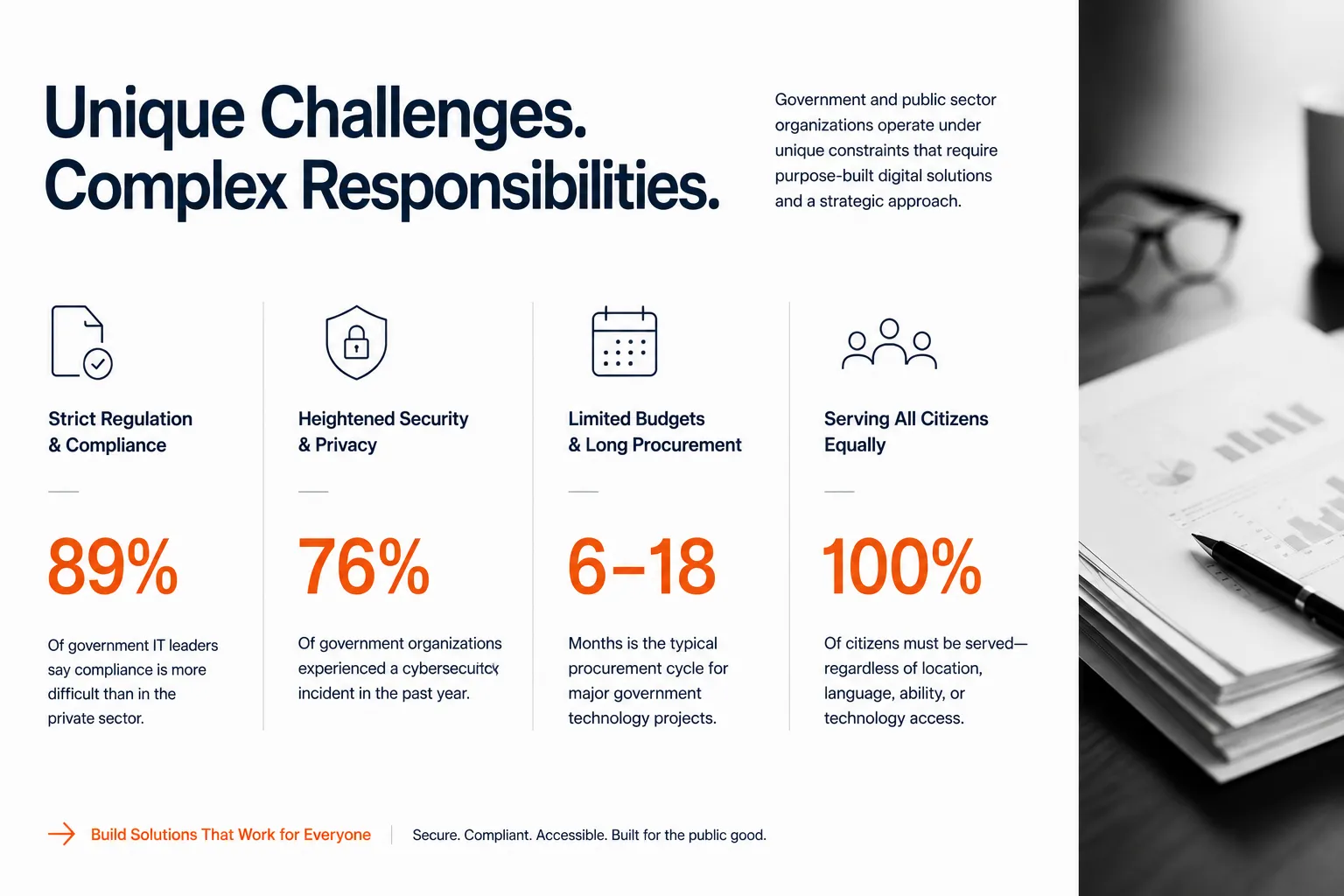
Government agencies face challenges private businesses never see. You serve every citizen, not a chosen market. You work under strict rules, the highest security standards, and budgets funded by taxpayers who expect results. And you must keep service consistent across many departments, locations, and jurisdictions. We give you a clear, secure path to digital transformation that fits how government actually works.

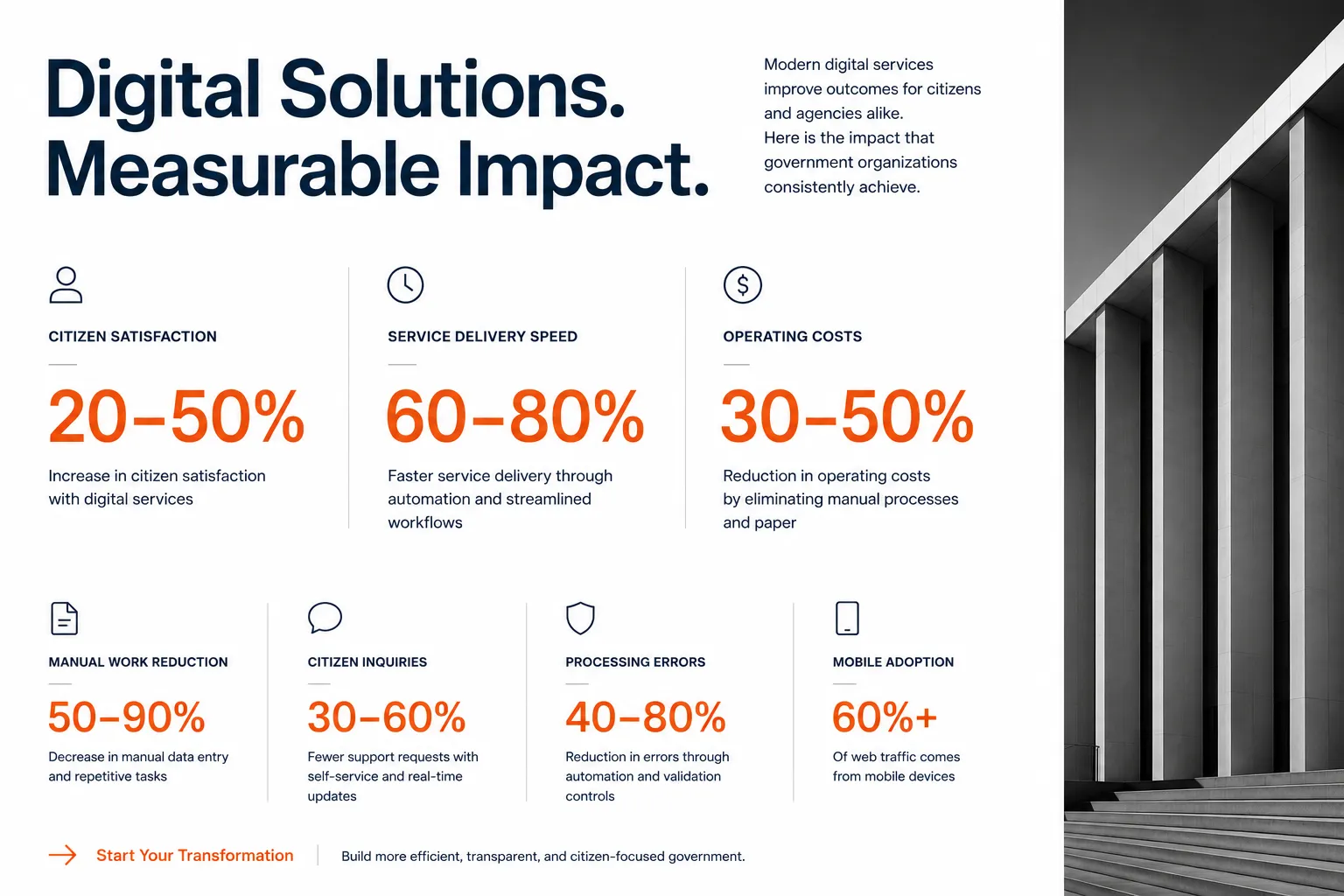
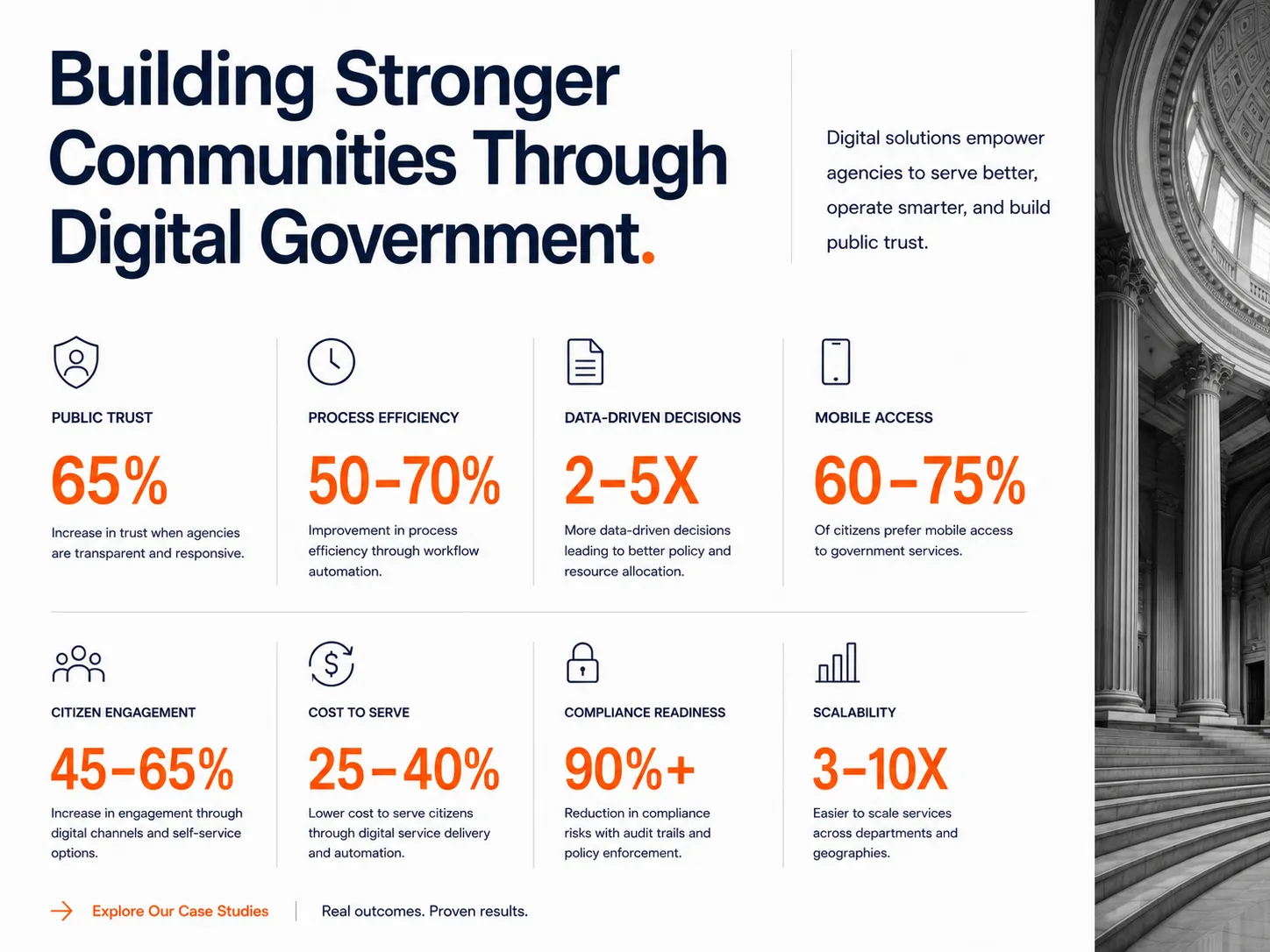
Well-built digital services change how citizens experience government — and how staff spend their day. Here is what agencies gain when systems are designed around real public-sector needs.
Government digital projects are harder than private-sector ones. The rules are stricter, the data is more sensitive, the budgets are tighter, and the audience is everyone. A solution has to respect all four at once.


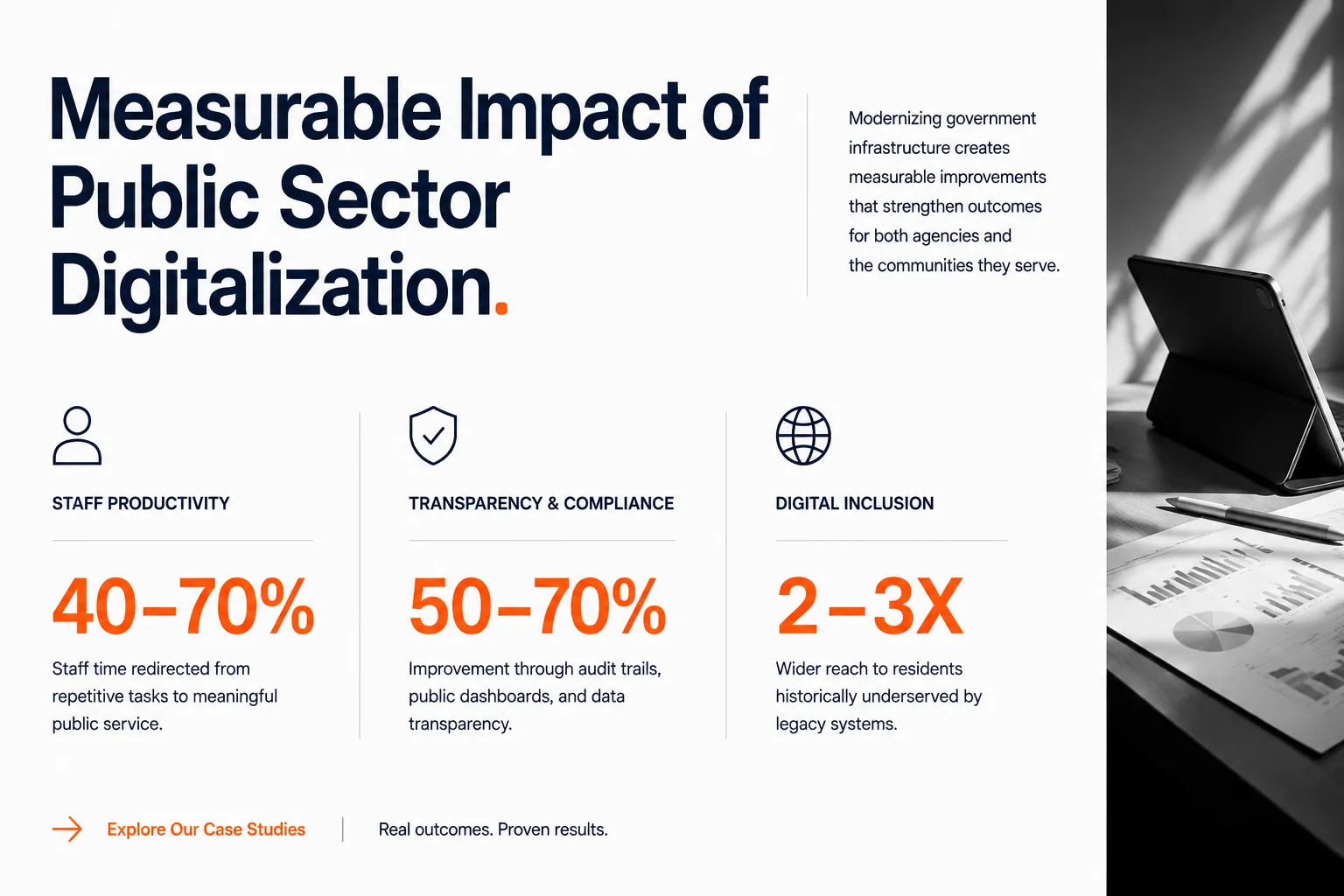
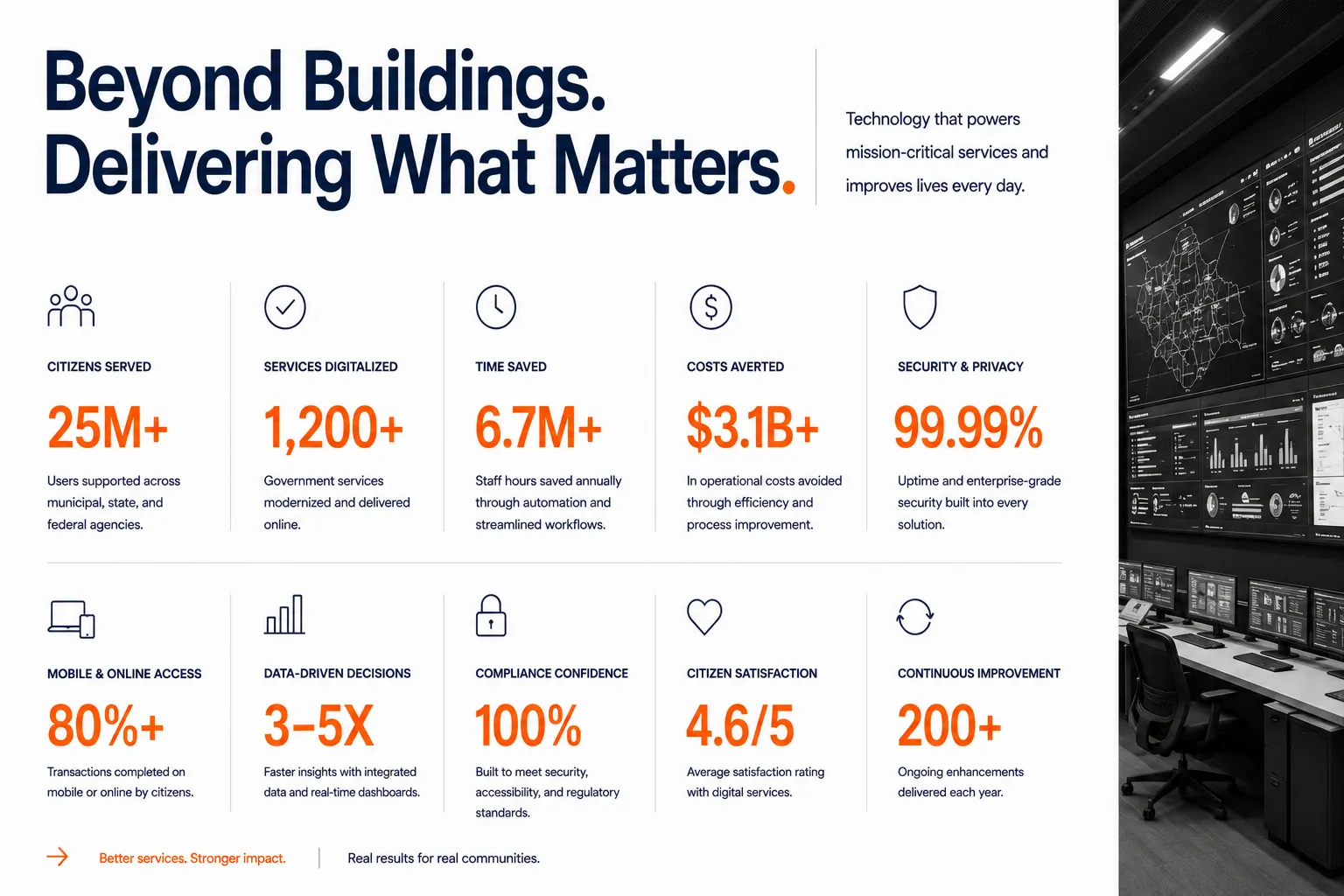
Modernizing government infrastructure pays off in ways you can measure. Based on typical public-sector projects, here is the kind of change agencies see.
See the outcomes in our government and enterprise case studies.
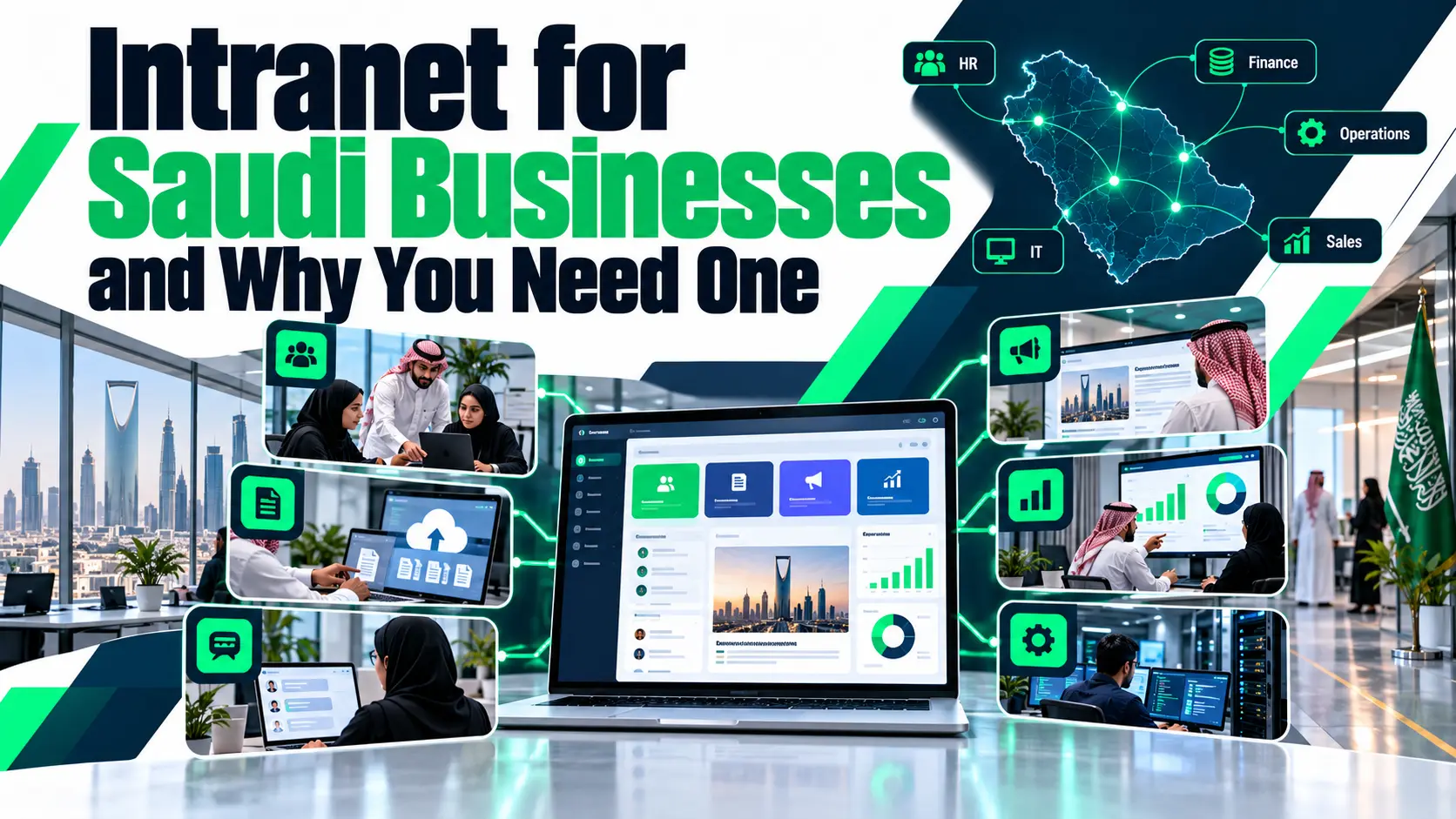
We have built systems for government at municipal, regional, and national levels. Three core platforms cover most public-sector needs — each custom-built and fully owned by you. They connect to the back-office systems your agency already runs, from ERP and CRM to staff intranet portals.
Citizen Service Portals
Secure online portals where citizens handle everything in one place, built on the same customer portal technology trusted by enterprise clients.
Transparency & Open Data Platforms
Custom web applications that publish data clearly and build public trust.
E-Government & Digital Service Delivery
End-to-end platforms that move full services online, with automated workflows for simple cases and staff oversight for complex ones.


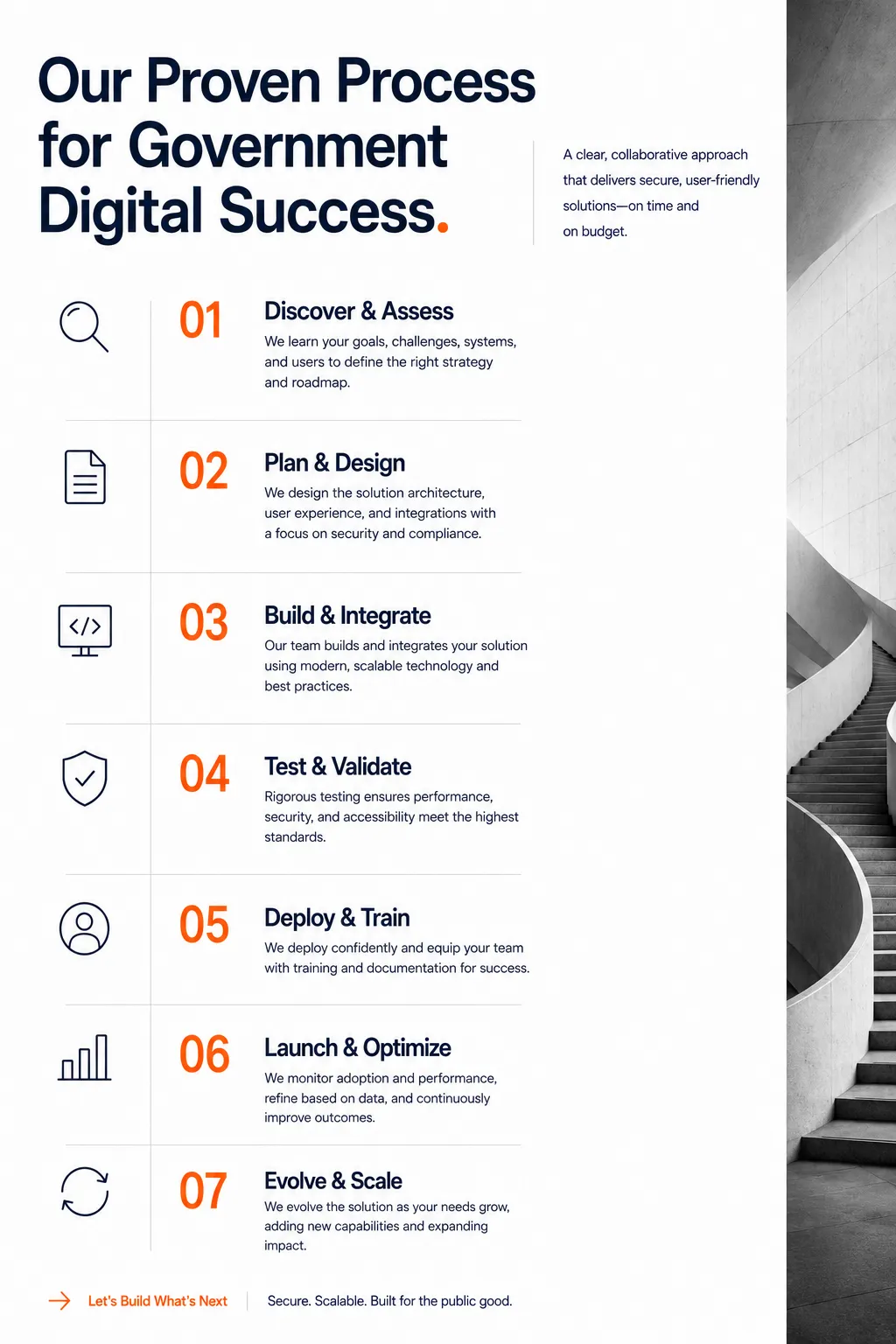
Government work needs a process built for strict requirements, many stakeholders, and low tolerance for risk. Here is how we deliver, typically over 24 weeks.
Agencies at every level use our systems to replace manual, paper-based work. A few examples:


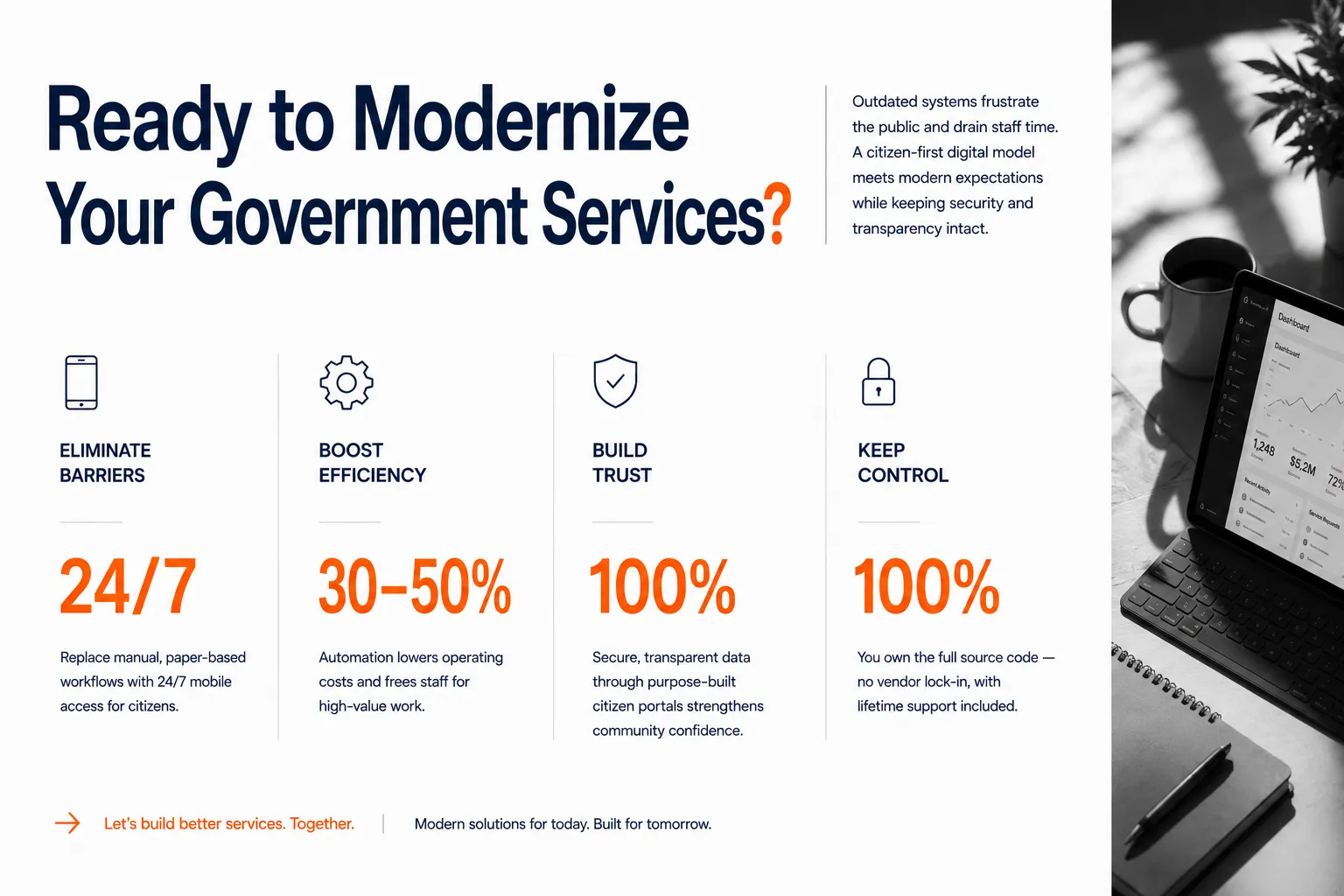
Outdated systems frustrate the public and drain staff time. A citizen-first digital model meets modern expectations while keeping security and transparency intact.
We build security in from day one — encryption in transit and at rest, multi-factor authentication, role-based access, intrusion detection, regular security testing, and compliance with government security standards. We have extensive experience with classified and sensitive systems.
Yes. System integration is a core strength. We connect new services to your databases, enterprise systems, and legacy applications through APIs and custom integration layers, so you keep current investments while adding modern features.
Compliance is part of the process, not an afterthought. We identify the rules that apply during planning, design systems to meet them, document everything for audits, build in audit trails, and test for compliance before launch.
Yes. Every government solution meets or exceeds WCAG standards — screen-reader support, keyboard navigation, proper contrast, and text alternatives — and we test with people who use assistive technology. Accessibility is built into our AI-friendly, responsive websites.
Most projects run 3 to 18 months. A focused citizen portal can launch in 3–4 months; a complex multi-agency system may take 12–18. We give realistic timelines during planning and manage to schedule.
Yes — you own the full source code with no vendor lock-in. You can take it to any developer, though our lifetime technical support means most agencies never need to.
Investment depends on three things: number of users, systems to integrate, and level of automation. After a free consultation, we provide a clear estimate — typically within 48 hours of understanding your needs.