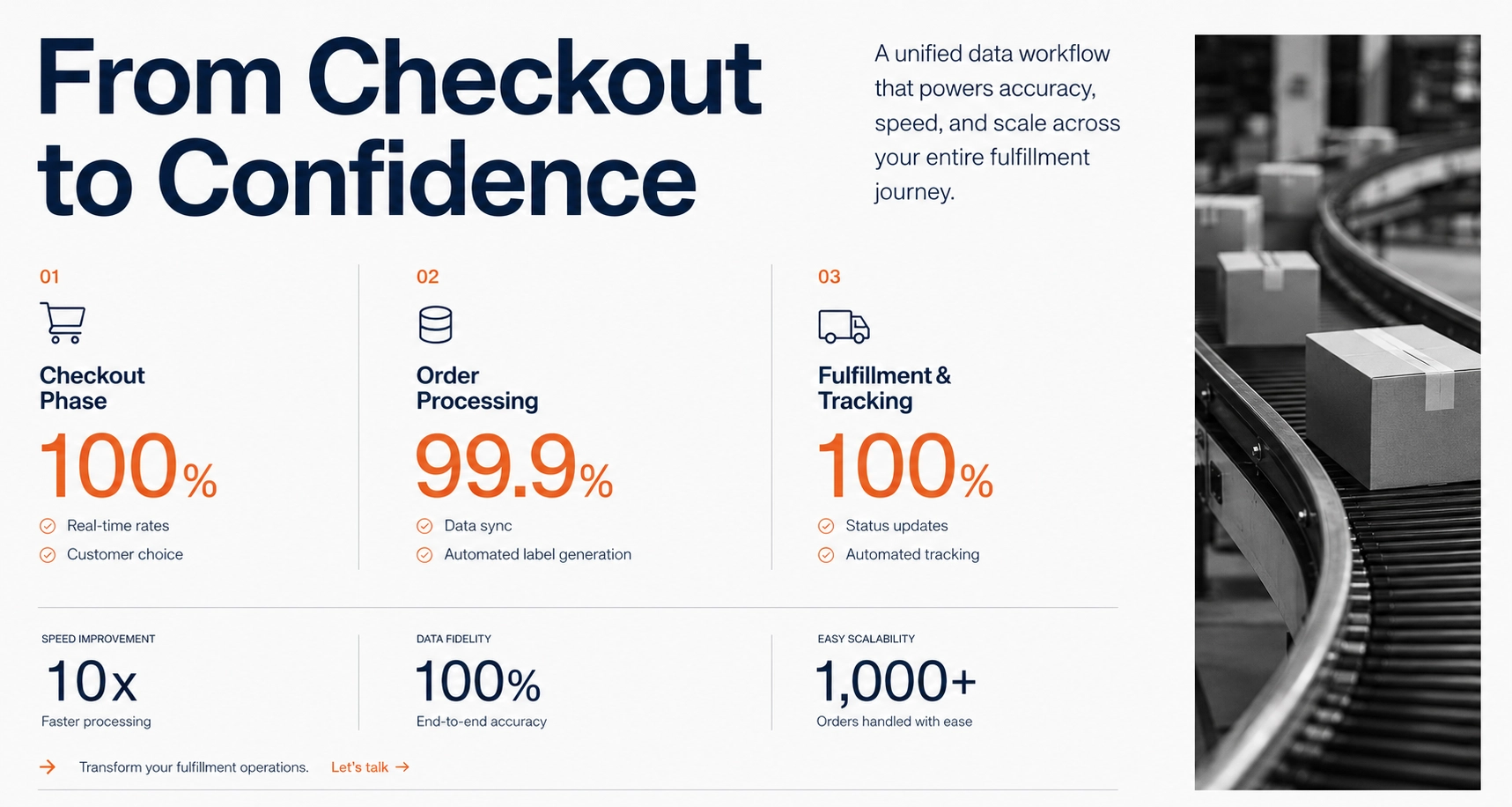
Manually managing 50 orders daily can cost you 12+ hours in shipping admin. Shipping integration automates this by connecting your store to carriers like Aramex, DHL, and FedEx. Shipping rates, labels, pickups, and tracking are handled automatically. You eliminate manual work, reduce errors, and ensure faster deliveries.

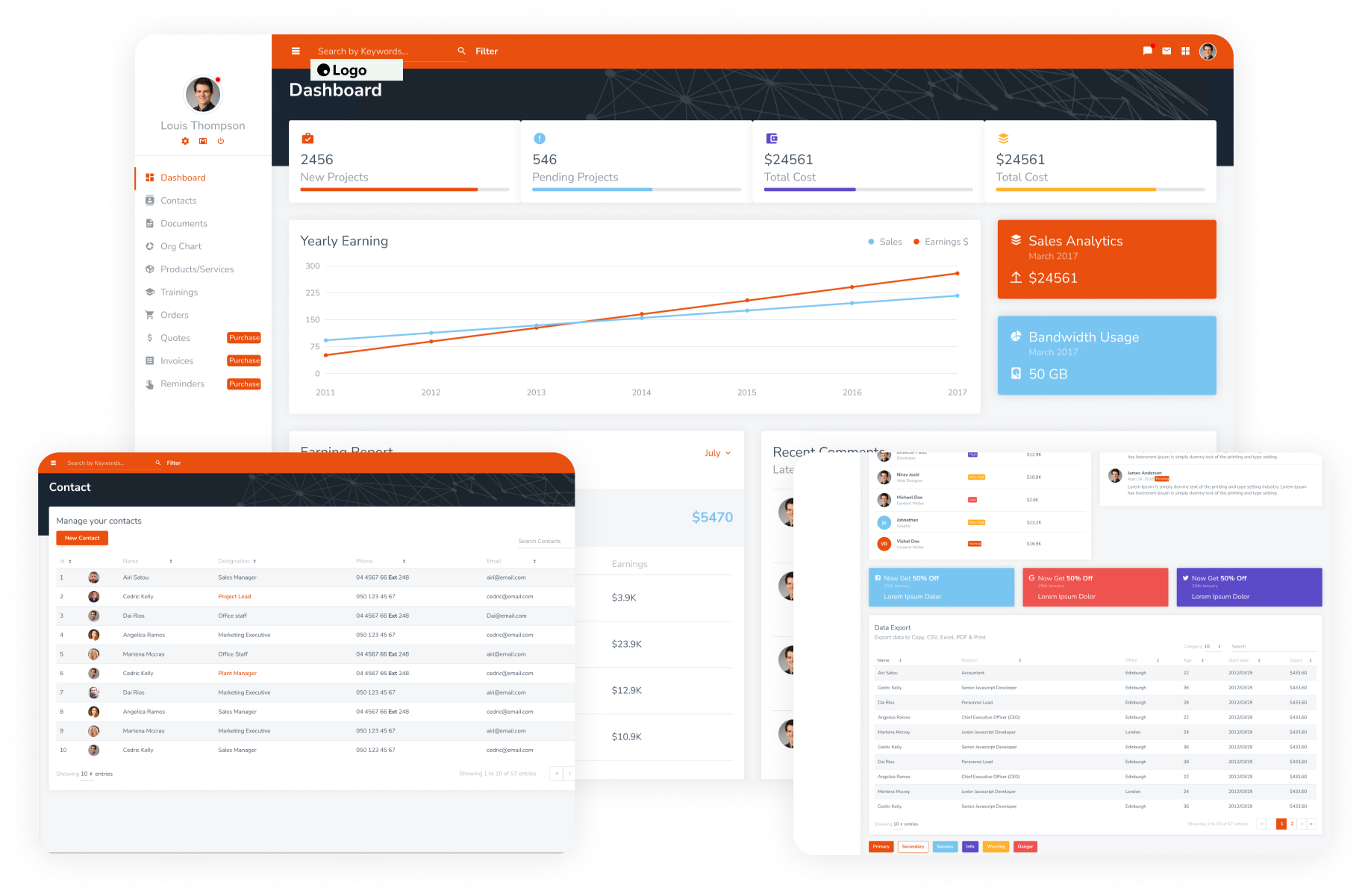
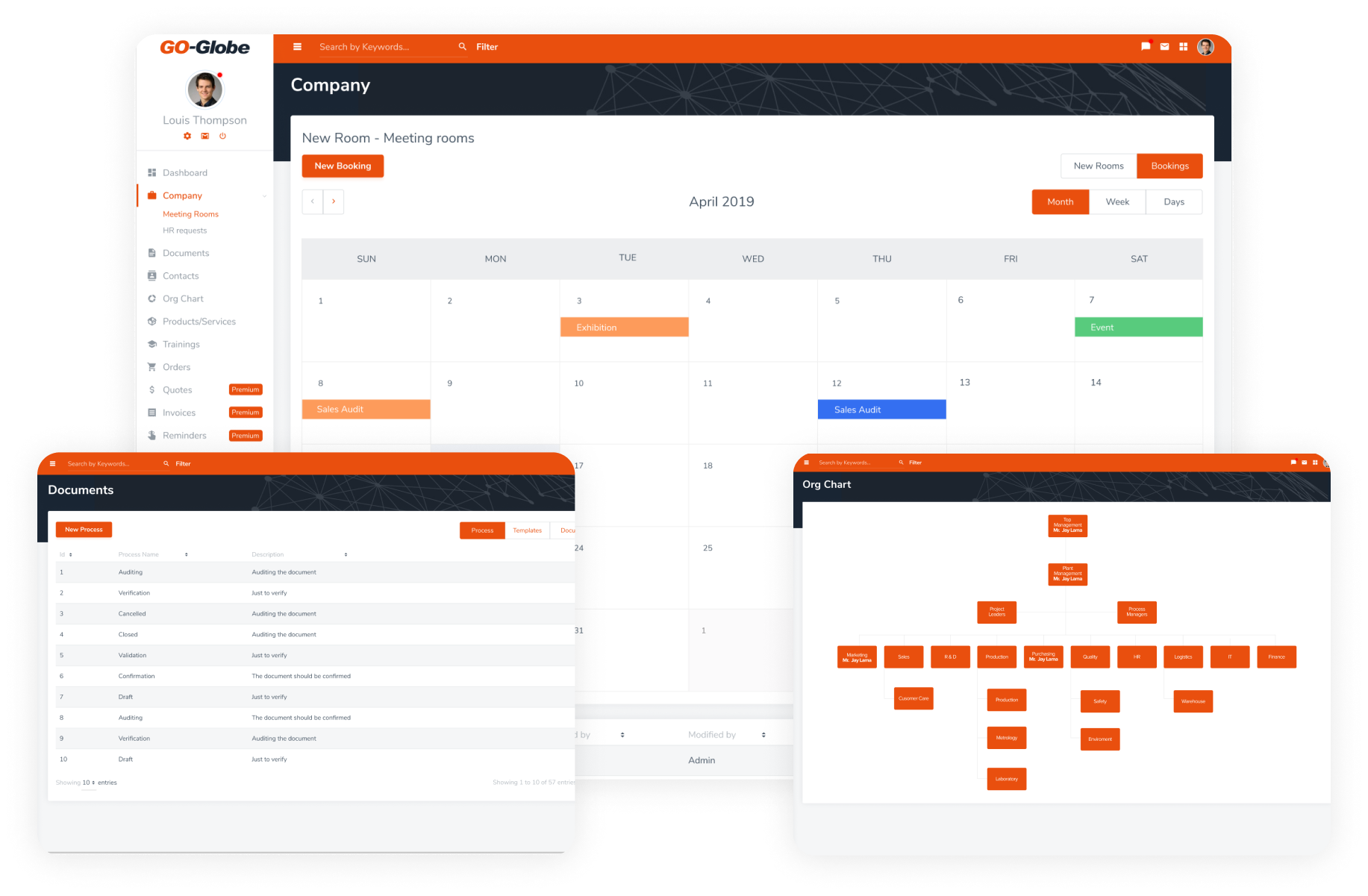
Shipping integration acts as a bridge between your store and carriers, automating the entire fulfillment process. When an order is placed, the system creates labels, generates tracking numbers, and notifies customers automatically. This eliminates manual work and shipping errors while providing real-time updates. Whether you use Shopify, Magento, or marketplaces like Amazon, integration makes shipping simple and efficient.


In short: Plan carefully, launch safely, and get ongoing support.
Businesses that use shipping integration see clear, measurable results:
These improvements directly boost your bottom line. Orders go out faster, customers are happier and reorder more, and shipping costs drop. Your team spends less time on admin work and more time on sales and growth.
In most cases, shipping integration pays for itself within 3–6 months through these combined savings and performance gains.


Stop wasting hours on manual shipping work. Stop losing money to shipping errors and poor carrier choices. Stop frustrating customers with slow deliveries and unclear tracking.
Modern e-commerce runs on automation. Shipping integration is no longer optional—it’s essential to stay competitive and scale efficiently.
We’ve implemented shipping integration for hundreds of online stores across many countries. We understand carrier rules, cross-border shipping, and how to build reliable systems that grow with your business.
For most e-commerce stores, implementation takes 6 to 8 weeks from kickoff to go-live. Simple integrations with one or two carriers can be faster, while complex multi-warehouse, multi-carrier operations may take longer. We provide a detailed timeline during the planning phase.
Not at all. Once implemented, the system works automatically in the background. Your staff uses your existing store admin to process orders—the integration handles all the technical complexity. We design the interface to be intuitive for non-technical users.
We build redundancy and fallback mechanisms into the integration. If one carrier's API is temporarily unavailable, the system can automatically switch to an alternative carrier or queue the request to retry automatically when the API comes back online. You're never stuck unable to fulfill orders.
Yes. The integration is designed to assist, not restrict. You always have the option to manually create labels, override carrier selections, or handle special cases that fall outside normal automation. The system is flexible to accommodate your business needs.
We can integrate with virtually any carrier that offers an API or electronic data interchange. This includes all major international carriers, regional carriers across different continents, and even local couriers if they have technical connectivity options. If a carrier doesn't have an API, we explore alternative integration methods.